
Months after a cease-fire, Gaza’s economy remains heavily strained, affecting families like that of Saleh. This economic hardship largely stems from Israeli-imposed restrictions. During the conflict’s early days, Israel restricted Gaza’s trade significantly, granting import permits to only a few Palestinian businesses. This decision has stifled competition and resulted in a system where merchants face high fees paid to select businesses for every truck entering Gaza. These fees, and their purposes, are often unclear to those paying them.
By the time it reaches Gaza, the cost is huge,
said Ruwa Jabr, CEO of PalTrade, a Palestinian nonprofit organization. She noted that a shipment costing 100 shekels could rise to 20,000 shekels or more. Israel’s restrictions extend to many imports, including basic products like poultry and batteries, fostering a thriving black market for smuggled goods sold at inflated prices.
A COGAT spokesperson, Israel’s security body coordinating aid to Gaza, justified the restrictions as necessary to prevent Hamas and similar groups from benefiting from trade. However, the opacity of the wartime economy has severe repercussions for ordinary Gazans, according to over 80 interviews with truckers, merchants, brokers, business leaders, and former officials.
Staple items’ prices have soared: the cost of flour and eggs have risen dramatically during the war. Cooking gas prices have also seen substantial increases. Tania Hary, of the Israeli rights group Gisha, criticized Israel’s control as a way to maintain Gaza’s dependency. Due to this, many Gazan families rely on financial support from relatives overseas to cover basic needs.
Saleh, settled in London, recounts his efforts to support his family. His bank transfers are frequently insufficient—he faces over $125,000 in debt. Each day he connects with his family and tracks war developments.
Ongoing Challenges
Trade restrictions persist. Merchants trying to import basic necessities deal with a complicated process involving brokers and middlemen, sometimes with ties to Israeli security. An operation involving a mysterious figure, Abu Basel, and his associate was recently revealed. They organized extensive smuggling operations that moved banned goods across borders. Their operation, while illegal, underscores the influence of Israeli security interests in Gaza’s war economy.
This economic system is crippling for Gazans. Before the war, essential items like flour were affordable. Now, even such basics are costly and scarce. Families, like Saleh’s, face extraordinary financial burdens as they strive for survival.
Family Struggles
Amidst these challenges, Saleh documents his family’s trials and experiences. Before the war, Saleh had plans to pursue a master’s degree in the UK, but the destruction of his home in Gaza forced him to leave. In London, he struggles with isolation and the pressures of supporting his family. Saleh reflects on his sister Shaimaa, who died during the Second Intifada, and the cultural loss associated with leaving Gaza.
He works to raise funds, navigating remittances under Gaza’s collapsing financial system. Transfers to his brother Rashad come with substantial fees and delays. Despite these hurdles, Saleh endeavors to organize his family’s escape, exploring options like middlemen and organizations promising evacuation services.
Health and Social Systems Under Strain
Medical supply shortages compound Gazans’ struggles. Essential medications are increasingly inaccessible. Kamal, Saleh’s father, suffers from multiple health issues that require medication and procedures, difficult to secure amidst limited humanitarian aid and smuggling channels.
The conflict disrupts traditional social structures. Saleh’s siblings have spread across displacement camps, caring for their ailing parents amid mounting challenges. Meanwhile, his father’s health declines, compounded by the high cost and scarcity of medical essentials.
Wartime Profiteering
The blockade and its impact highlight deeper issues in Gaza’s economy. The Israeli-government-designated importers exploit the situation to raise prices and charge exorbitant fees. This practice, combined with smuggling and profiteering, results in stark economic disparities and logistical inefficiencies.
Allegations of collusion with Israeli forces accentuate the environment of exploitation. The fallout of these disclosures incites public outcry across Israel’s political spectrum. While Israeli authorities focus on securing borders and restricting trade for apparent security reasons, these actions often serve those seeking economic gain amidst chaos.
Steps Toward Relief
Despite a cease-fire, Gaza’s situation remains precarious. Although aid distribution has increased, prices for basic supplies remain high. Economic growth is still restricted by remaining trade barriers, both local and Israeli-controlled.
Saleh remains committed to supporting his family, focused on their survival. He regularly sends money, all while managing his own financial obligations. His situation illustrates broader struggles faced by countless Gazan families—balancing daily living costs with maintaining personal and familial well-being.
 British Police Arrest Man Suspected of Terror Plot
  Activists Push for Nationwide Ban on Child Marriage in the U.S.
  Investigation into Alleged Incident at Cornell University
  Rising Drone Threats Highlight Vulnerabilities in Moldova’s Airspace Defense
  Bolivia Faces Security Test Amid Unrest
 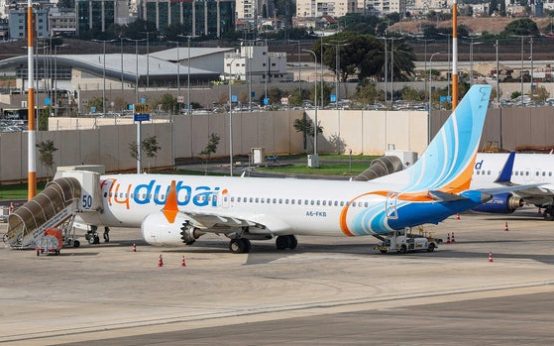 Incident on FlyDubai Flight Raises Security Concerns