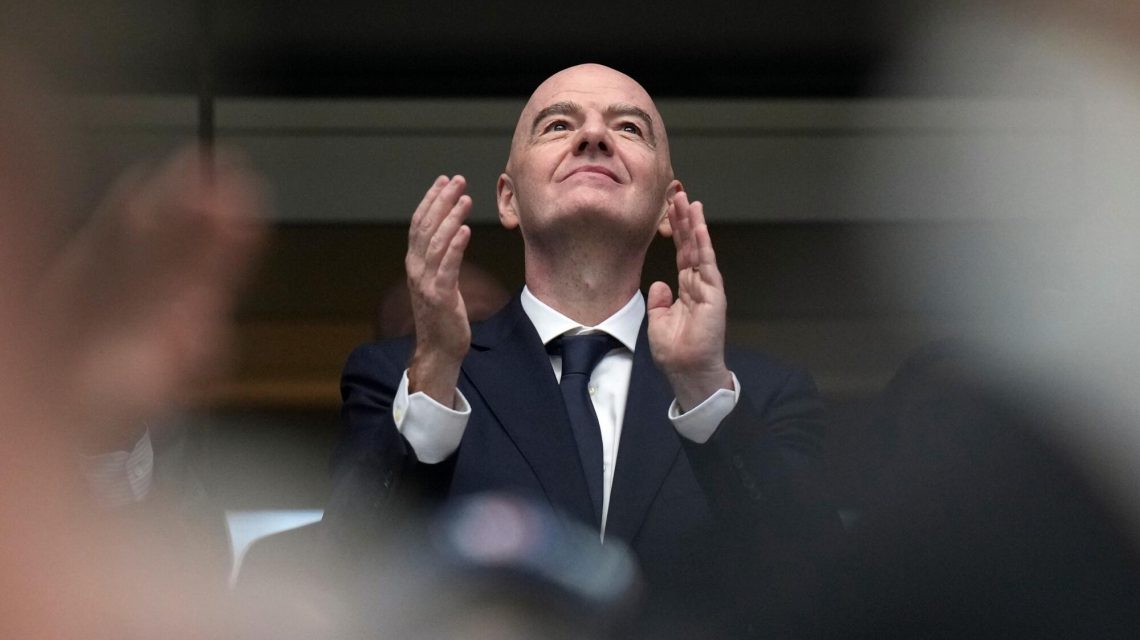
As summer’s World Cup drew to a close, many anticipated a strong future for Gianni Infantino, FIFA’s president. The Guardian reported over 200 of FIFA’s 211 member associations backed his fourth-term agenda, seeming to ensure his leadership.
But support waned rapidly. Key figures like British PM Andy Burnham and Spain’s soccer head Javier Tebas called for his resignation. Close allies, including Carlos Cordeiro, the ex-US Soccer president, and FIFA’s COO Kevin Lamour, openly distanced themselves.
Collapse of Infantino’s Secret Plan
The collapse stemmed from Infantino’s secretive plan to sell a 20% World Cup stake for $4.2 billion to private investors, granting them influence over future events. This scheme emerged in the media, compelling Infantino to cancel it—a significant setback in what was considered a peak in his tenure.
The initiative, dubbed FIFA Forward Enterprise, aimed to commercialize the World Cup further. Infantino needed approval from 106 of the 211 FIFA members, promising those who backed him $20 million, while detractors received less. This plan faltered when members resisted the notion of ‘selling’ parts of their sport.
“Having listened carefully to all the views, it has become clear that the project has created divisions of a nature that, regardless of the level of support, are no longer in the interest of the objective set out in the first place.”
Impact of Previous Ambitions
FIFA’s recent successes included the 2026 World Cup, which generated substantial revenues and drew expansive audiences. Despite this, Infantino faced criticism for previous attempts to invite private equity into the World Cup process, which met with opposition.
Infantino implemented commercial strategies like three-minute hydration breaks to increase ad revenue and expensive halftime shows, straying from traditional practices. His moves raised ticket prices, alienating many loyal fans. Soccer, unlike any other sport, deeply values its supporters.
Reactions and Consequences
Resistance was immediate. Burnham voiced that football “belongs to the fans.” UEFA, covering European soccer, and CONCACAF, representing North American regions, rejected Infantino’s proposal.
Moreover, his involvement with Thrive Eternal, led by Joshua Kushner—a relative of Trump—drew skepticism. Infantino’s ties to Trump-related interests raised concerns about undue political influence, especially after lobbying controversially around a red-card suspension at a U.S. World Cup elimination game. Infantino’s enlace with Trump became more scrutinized with such partnership proposals.
NECC’s Bernd Neuendorf’s discontent with the clandestine handling of the FFE was echoed throughout FIFA’s circles. Infantino’s unilateral decision-making style caused immense backlash.
Looking Ahead
Although Infantino ceased his stake-selling plan, questions about his presidency remain. Soccer regularly involves private investors despite Infantino’s flawed approach.
Alan Rothenberg, a former U.S. Soccer leader, suggested selling stakes in tournaments is not unprecedented, but the circumstances surrounding Infantino’s maneuver dulled its potential. His methods, likened to Icarus flying too close to the sun, may politically jeopardize him.
Cordeiro noted FIFA’s already ample financial resources, mitigating the need for outside investment.
Infantino has navigated past issues like hosting tournaments in Russia and Qatar despite controversies. However, within FIFA ranks, divisions emerged too large to overlook, challenging his future authority.
 The Complex Legacy of Jason Arday
  Indiana Fever Triumph Amidst Cheers, Overcoming Previous Controversy
  Tropical Storm Lala Threatens Hawaii with Hurricane Potential
  Taliban Leaders Mark Five Years in Power Amid Human Rights Crisis
  Cuba Facing Economic Siege Amid U.S. Sanctions
  Jeff Bezos and Consortium Acquire Minority Stake in Liverpool