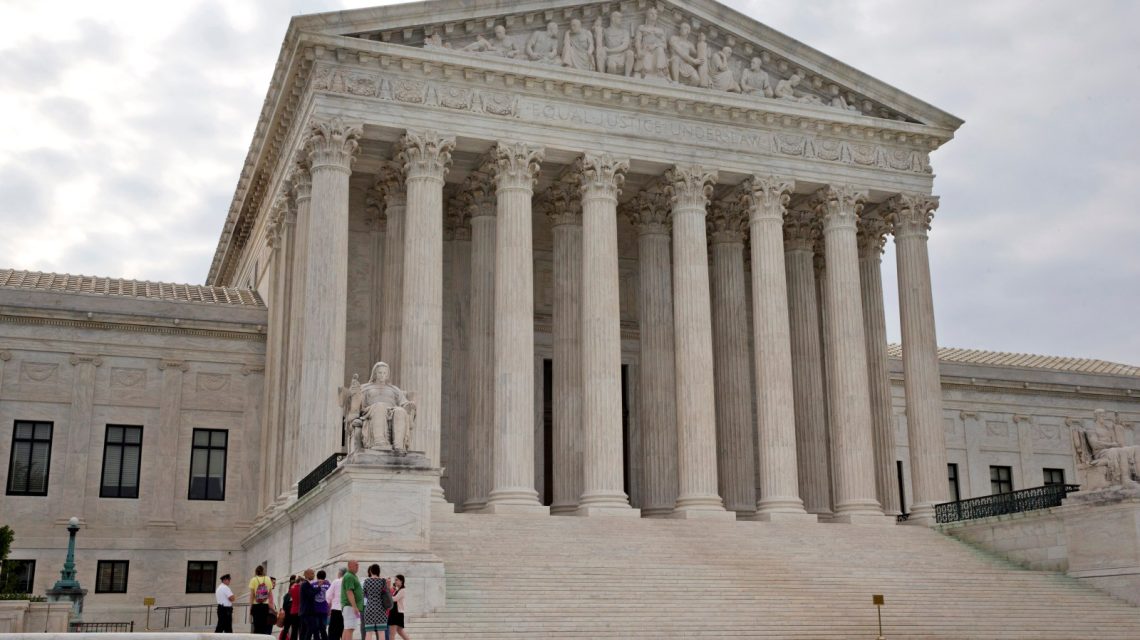
Supreme Court Decision in Landor v. Louisiana
The Supreme Court ruled against Damon Landor, a Rastafarian inmate, in a 6-3 decision. Landor’s dreadlocks were cut by prison officials, raising concerns over religious freedom protections. The case addressed whether the Religious Land Use and Institutionalized Persons Act (RLUIPA) permits monetary damages against state employees.
Justice Neil Gorsuch, writing for the majority, stated RLUIPA does not allow personal damages claims against correctional officers. The court focused on Congress’s Spending Clause authority, which requires voluntary acceptance of conditions by funding recipients. While Louisiana’s prison system agreed to these conditions, individual employees did not.
Reaction to the Ruling
Justice Ketanji Brown Jackson expressed concern in her dissent, noting this decision leaves victims without effective remedies. Activists criticized the ruling, with Daniel Mach from the ACLU claiming it undermines incarcerated individuals’ religious freedoms. He argued that religious freedom should be fully protected even within prison.
The decision contrasts with recent Supreme Court cases that often favor religious claims over regulations. However, Landor’s case is unique due to its focus on statutory interpretation under the Spending Clause, limiting the scope of legal remedies.
Background on Damon Landor
Landor, a former Louisiana inmate, adhered to Rastafarian religious practices, which include a Nazarite vow not to cut hair. During his incarceration for drug possession, some prisons respected his practices until his transfer to a facility where his dreadlocks were forcibly removed. Landor describes this experience as deeply traumatic.
Understanding Rastafarianism
Rastafarianism, originated in Jamaica during the 1930s, emphasizes spiritual freedom and African heritage. Followers express their faith through dreadlocks, which symbolize religious devotion and identity. Bob Marley, a global icon, played a significant role in raising awareness of this movement.