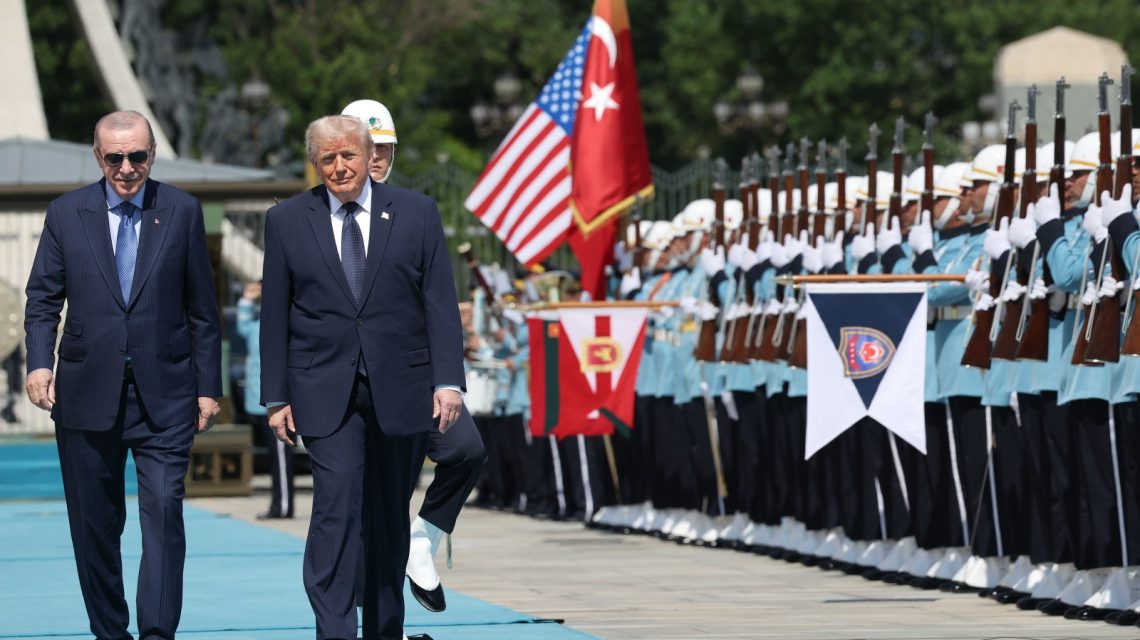
Amid signs of growing tension between U.S. President Donald Trump and Israeli Prime Minister Benjamin Netanyahu, an Israeli strike on a Syrian military site may trigger a broader geopolitical shift. The targeted site, Abu al-Duhur Air Base in Idlib province, recently hosted a Turkish military delegation. Turkey aimed to rehabilitate the facility as it strengthens ties with Syria’s government, following the ousting of longtime leader Bashar al-Assad from Damascus in December 2024.
The Turkish Foreign Ministry condemned the attack, marking another dispute between two U.S. allies in the Middle East. Netanyahu justified the strike by accusing Syria of allowing Turkish troops to deploy near Aleppo. In response, Turkey rejected the claims as attempts to legitimize Israel’s actions against Syria’s sovereignty.
Washington criticized the operation. U.S. Special Envoy Tom Barrack expressed concern over the escalation. This is not the first time the Trump administration has sided with Turkish President Recep Tayyip Erdogan over Netanyahu, highlighting differences as elections loom in October amid domestic pressures.
“President Trump and Prime Minister Netanyahu are both in weak political positions at home … Trump seeks to deescalate, the opposite direction that Netanyahu is heading.” — Brian Katulis
Trump’s Middle East strategy involves close ties with Erdogan and Netanyahu. Trump’s relationship with Erdogan strengthened, credited with Assad’s removal and Ankara’s embrace of Syria’s new government. Alignments persisted despite Netanyahu’s opposition, as evidenced by Trump’s actions in supporting Druze militias clashing with Syrian security forces.
Rival factions rise in response to U.S. policy shifts. The ‘Mecca Pact,’ a mutual defense agreement between Turkey, Saudi Arabia, and Pakistan, emerged amid Iran’s ongoing war efforts with its Shiite coalition. As this Sunni bloc grows, it aims to counterbalance regional power plays, including Israel’s expanding alliances.
Trump has praised the formation of the Mecca Pact for encouraging greater regional defense capabilities, despite potential threats to U.S. strategies aimed at maintaining stability while pivoting to East Asia. Concerns deepen as tensions between Turkey and Israel persist, possibly leading to greater conflicts.
While Turkey exercises caution, an Israeli government perceived as more pragmatic could alter the dynamics. However, Netanyahu may lean toward further regional escalation, opposed by figures such as Eyal Zisser, who notes a rising fervor in Israel against Erdogan, perceived as a greater threat than Iran.
Yet, confrontation between Israel and Turkey could jeopardize mutual interests and provoke intervention by Trump. Alignments with Trump remain crucial for Netanyahu, limiting his actions despite pressures. Ultimately, these developments highlight the fragile balance within the Middle East geopolitical landscape.
 The Threat of Melting Glaciers: A Call to Action
 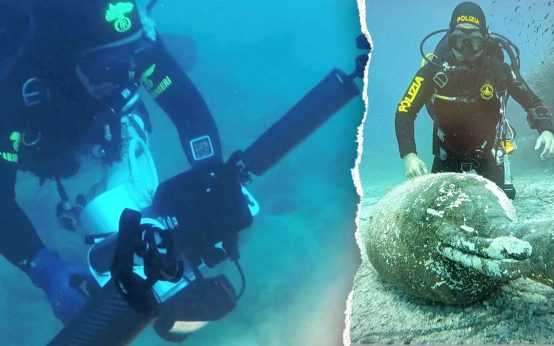 Police Discover Ancient Roman Artifacts Off Sardinian Coast
  Urgent Need for Action in East Africa’s Food Crisis
  Suspected Plague Death in Siberia Sparks Health Measures
 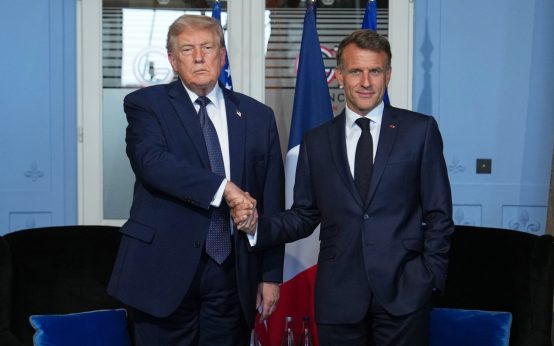 G7 Nations Agree to Release 100 Million Barrels of Oil Amid Fuel Price Surge
  Co-Pilot Attempts Hijack on Flight to Tel Aviv