Texas archaeologists Arlen Chase and Diane Chase, from the University of Houston, have uncovered the 4th-century tomb of Te’ K’ab Chaak, the earliest known ruler of Caracol. Caracol is a major Mayan city located in present-day Belize. This significant discovery adds to our understanding of Mayan history.
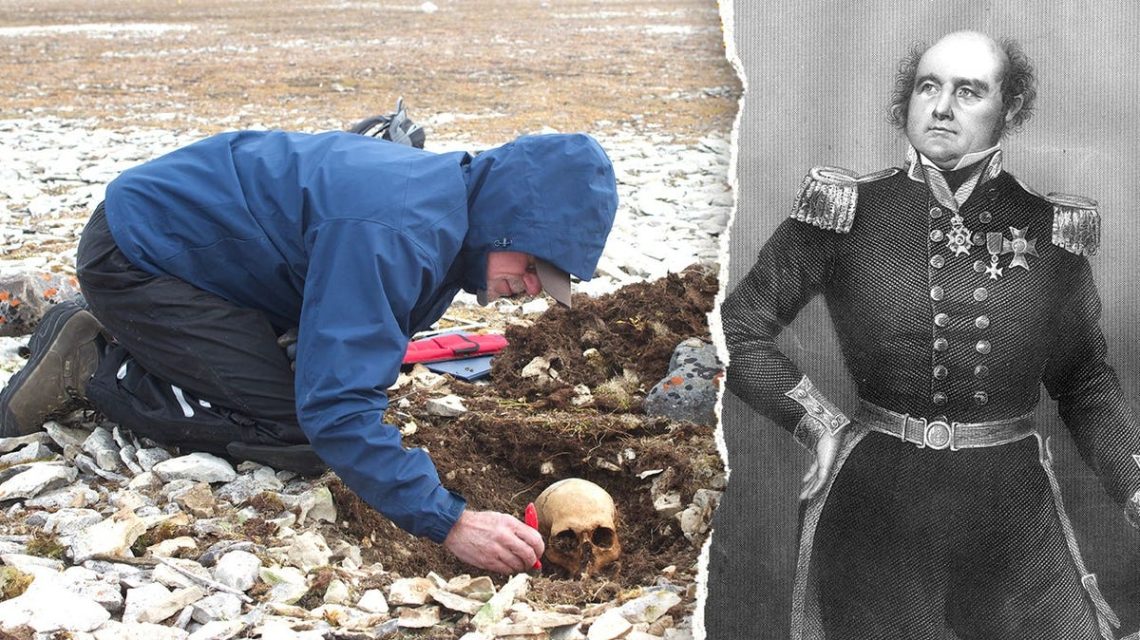
Meanwhile, researchers in Canada are shedding new light on one of history’s most infamous Arctic tragedies, the Franklin Expedition. Around 180 years after Sir John Franklin attempted to chart the Northwest Passage in 1845, recent DNA analysis has identified four additional crew members.
The Franklin Expedition: A Historical Mystery
The expedition led by British explorer John Franklin included 129 officers and crew members on the vessels HMS Erebus and HMS Terror. In 1846, the ships became icebound near King William Island in Nunavut, leading to Franklin’s death in 1847. The University of Waterloo’s research team identified four crew members: William Orren, David Young, John Bridgens, and Harry Peglar.
In April 1848, the remaining crew left the stranded ships in a desperate attempt to escape on foot. Unfortunately, all 105 of these men died during the escape attempt, leaving their families and the public with many unanswered questions.
“All 105 died trying to escape,”
stated the University of Waterloo in its findings published in the Journal of Archaeological Science: Reports.
Complex DNA Analysis
The University of Waterloo’s anthropologists matched DNA samples from Franklin expedition sites to living descendants. Study co-author Stephen Fratpietro played a pivotal role in confirming the genetic matches, now bringing the total identified crew members to six. Previous identifications included John Gregory and Captain James Fitzjames.
Interestingly, the analysis revealed some remains, including those of Captain Fitzjames, showed evidence of cannibalism, a harsh reality faced by the crew in dire circumstances. The identification of Harry Peglar was intriguing because he was dressed as a steward, suggesting a demotion due to misconduct, offering new insights into life aboard the doomed expedition.
The Northwest Passage Quest
Franklin’s quest aimed to open a vital trade route between the Atlantic and Pacific oceans, promising quicker access to Asian markets. The expedition, hailed as the best-equipped Arctic venture of its time, sought to bring prestige and economic advantage to Britain.
Douglas Stenton, a co-author of the study, highlighted the challenges the crew faced, including severe cold, ice pressure, and illnesses. His team plans to work with genealogists and descendants to identify more crew members using archaeological DNA samples.
In summary, the research not only furthers our understanding of the events but also provides closure to the families of the men who perished. This research invites participation from descendants, honoring the memory of those who never returned.
 Bolivia Faces Security Test Amid Unrest
  Incident on FlyDubai Flight Raises Security Concerns
  Journalist Gershkovich Discusses Wrongful Detention and Release in Russian Prisoner Swap
 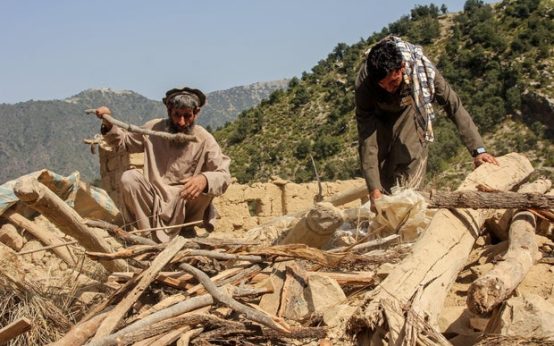 Pakistan Airstrikes in Afghanistan: Civilian Casualties Reported
 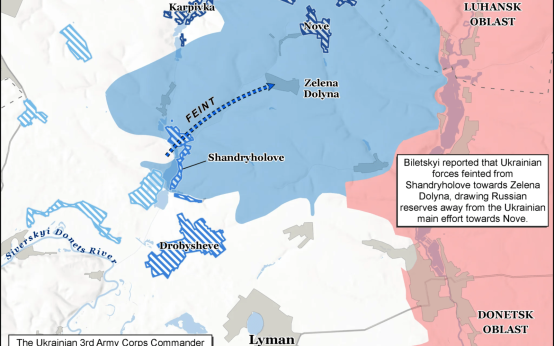 Ukraine Converts APCs to Explosive Devices in Donetsk Offensive
  Climate-Resistant Rock Glaciers: Hidden Water Resources