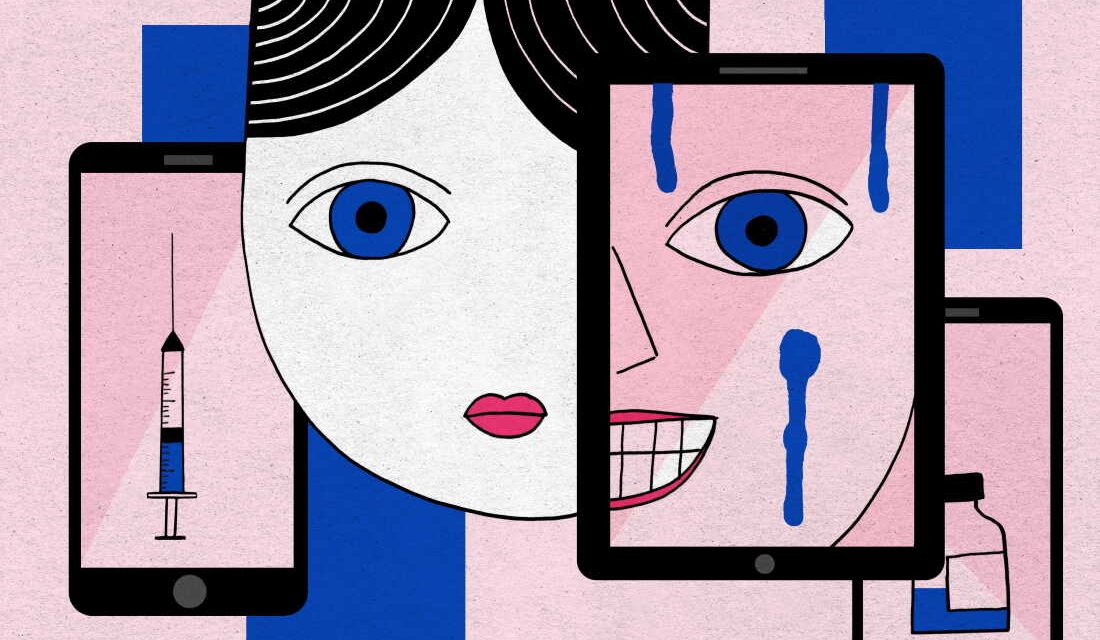
Copper peptides, particularly the compound known as GHK-Cu, have become popular in the world of skincare due to their bright blue appearance and potential anti-aging benefits. These peptides are frequently highlighted on social media, promising firmer, smoother skin and improved hair health. Their popularity is part of a larger trend where peptides are becoming mainstream in wellness and longevity.
Background and Research
Although GHK-Cu is not an officially approved drug, it has been extensively researched. The topical use of copper peptide serums and creams has been around for decades and has undergone human trials. Recently, a shift occurred where individuals started administering this peptide subcutaneously rather than topically. Frequently, users combine it with other peptides that purport to aid in tissue repair and other anti-aging benefits. However, no published human studies confirm the safety and efficacy of this injection method, especially given that many obtain the formulations through unregulated sources.
I think GHK can have a major role in helping enhance longevity,” says Dr. Warren Ladiges, a professor at the University of Washington School of Medicine who has been studying the peptide for many years.
Dr. Ladiges advises against self-injection due to the uncertain outcomes.
History of GHK-Cu
The history of GHK-Cu extends over fifty years. Chemist Loren Pickart first isolated GHK in the early 1970s after observing revitalized liver cells when exposed to plasma from younger adults. This led to the finding that GHK levels decline with age. Subsequent studies identified GHK-Cu’s role in collagen production, blood vessel growth, and anti-inflammatory effects. Most human trials have focused on skin aesthetics, finding GHK-Cu enhances skin thickness and elasticity, reduces wrinkles, and promotes hair growth.
Dr. David Goldberg, a cosmetic dermatologist, notes that the science supporting these benefits is strong, with GHK-Cu performing similarly to topicals containing Vitamin C and antioxidants.
Potential Beyond Skincare
Aside from skincare, pre-clinical animal studies suggest GHK-Cu might offer broader benefits, such as improved wound healing and organ repair, with potential implications for aging and diseases like Alzheimer’s. Yet, transitioning these findings into human applications requires significant investment and approval that is hindered by the peptide’s natural occurrence, making it difficult to patent.
Unregulated Use and Risks
The unregulated market has seen a rise in demand for GHK-Cu as a part of “beauty peptide” culture. Individuals frequently ask doctors if injections are more effective than topical applications. Dr. Goldberg expresses concern over this trend, advising caution until human studies provide further data.
Injecting GHK-Cu comes with potential risks, such as copper overload and immune responses. The lack of regulation leads to concerns about the authenticity and dosage of products sourced online, as pointed out by Dr. Marisa Garshick.
Currently, U.S. compounding pharmacies are not permitted to use it for human injections. However, changes might occur after the FDA revisits the classification of peptides like GHK-Cu.
Clinical Insights
Dr. Erik Marks, running a wellness clinic in Seattle, observes many issues among patients using self-sourced GHK-Cu injections. He highlights complications like liver enzyme elevation and skin irritation. Despite these, he finds the topical application of GHK-Cu to be more beneficial for skin and hair.
People need to understand these peptides are not silver bullets to fix health,” Marks says.
 Understanding Inflammation: Myths and Facts
  Calm Parenting: Strategies to Manage Stress
  Trump’s Executive Order to Combat Mosquitoes and Ticks in D.C.
  Overcoming Weight Loss Challenges: Brain Health and GLP-1 Medications
  Supporting Children’s Mental Health at Home: Practical Steps for Parents
  Abdul El-Sayed’s Strategy to Attract Health-Conscious Voters in Michigan