Price increases in food and gasoline have been significant, yet they are minor compared to the rising cost of Affordable Care Act (ACA) premiums. The increases prompt debates about whether it should be deemed the Unaffordable Care Act.
A recent Peterson-Kaiser Family Foundation report assessed 276 health insurers across all 50 states. It revealed a projected median premium increase of 15% for 2027. Nearly 90 insurers forecasted hikes between 20% and 35% or higher. This follows a 20% rise in 2026, implying that many covered individuals could face premium surges of 40% to 50% over two years.
Many Democrats, along with a portion of mainstream media, attribute these increases to President Trump and the Republican Party. However, critics argue that Democrats bear much of the responsibility, having ignored predictions and warnings about potential cost surges. They believed they could manage health insurance according to their expectations, disregarding actuarial forecasts.
As ACA’s Open Enrollment begins, the Kaiser Family Foundation highlights a notable decrease in participants. Between June 2025 and June 2026, enrollment in the individual health insurance market fell by 18%. This market is for those purchasing insurance independently, akin to auto or life insurance. Kaiser projects a decrease of approximately 4.6 million from the current 20.5 million individuals.
A key factor in this decline is the expiration of enhanced premium tax credits, reducing enrolment as per Kaiser’s insights. Similar to consumer behavior regarding gas or food expenses, ACA participants may drop coverage due to rising premiums. Younger and healthier individuals, perceiving lower value in the increased premiums, are more likely to exit the system. This creates an economic and actuarial issue, as insurance pools require substantial participation of healthy individuals to balance costs.
This decline in coverage will likely increase premiums further, leading to subsequent dropout waves, a situation known as the ‘death spiral’ in the industry. This spiral might worsen also due to existing system inefficiencies.
The Department of Health and Human Services stated significant fraud and abuse concerns in June 2026. An estimated 2.6 million enrollments were improper or non-existent, affecting available funds as these ‘phantom enrollees’ are removed from the rolls.
These removals will cut taxpayer subsidies, further elevating expenses for a shrinking number of sicker enrollees, accelerating the spiral. Democrats argue Republicans and the Trump administration are responsible for rising premiums due to non-renewal of enhanced ACA subsidies. This is contentious, as ACA’s structural and mandate origins drive cost surges, although original subsidies remain.
In 2021, as part of pandemic measures, the Biden administration introduced temporary, additional subsidies that masked actual premium increases. Republican reluctance to renew these temporary subsidies revealed the underlying cost hikes. Without intervention, ACA may soon cover a small, predominantly sick population with unaffordable premiums.
Reversing or halting this spiral appears challenging without new enhanced subsidies. If Democrats regain control of Congress and the presidency by 2028, enhanced subsidies may surface again. Taxpayer-funded subsidies could reduce the enrollment decline, not by making ACA affordable, but by offsetting premium costs for those insured.
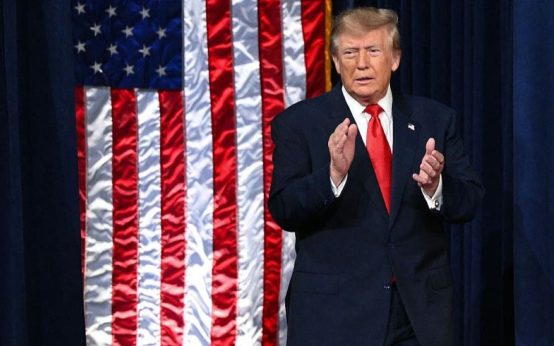 Republican Concerns Over Losing Working-Class Voter Base
 Vice President JD Vance Avoids Endorsement in Israeli Elections
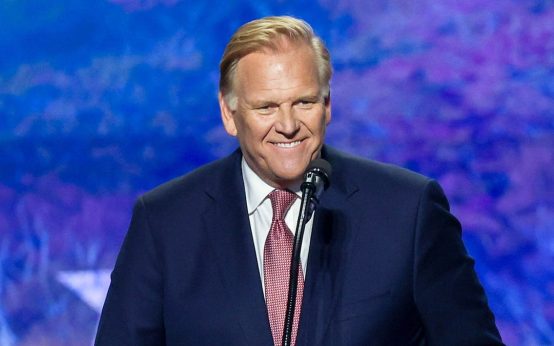 Republican Mike Rogers Criticizes Rival Abdul El-Sayed at Michigan Town Hall
 Actor Jordan Walker Ross Endorses James Talarico in Texas Senate Race
 Understanding Lung Cancer Screening: A Key to Early Detection
 President Trump Criticizes Democrats at Kansas Rally