By Jeff Coller
Dr. Coller directs the RNA Innovation Center at Johns Hopkins University.
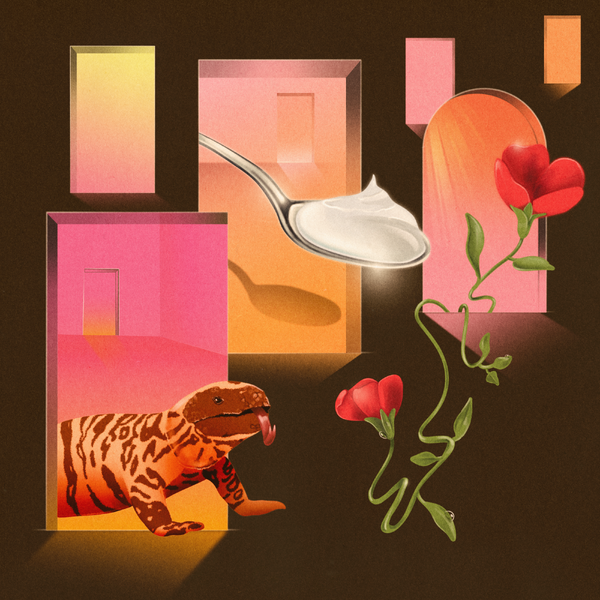
The Gila monster, a type of slow-moving desert lizard, can survive for extended periods without food. In the early 1990s, John Eng, a physician-scientist, became intrigued by this lizard’s ability to maintain stable blood sugar levels despite prolonged fasting. Working with limited funding at a Veterans Affairs hospital, Eng and a colleague examined the venom of the lizard. They identified a molecule that functioned similar to a human gut hormone but had a prolonged effect.
This discovery eventually led to the creation of the first GLP-1 drugs, known today as Ozempic and Wegovy. These drugs are transforming the treatment of diabetes and obesity and show potential in addressing heart disease and other conditions. They have the potential to save thousands of lives annually. The development of these drugs began with minimal costs.
However, the system that transformed this lizard venom into medication is facing threats. In 2025, the Trump administration froze or canceled billions in research grants. Although courts have released much of this frozen money, and Congress rejected proposed funding cuts, the situation remains challenging. Over the past 18 months, research agencies have reduced the number of grants compared to previous years.
As Congress considers the budget for the coming year, the Trump administration is advocating for further funding cuts. A recent proposal suggests that federal grants need approval from political appointees and must align with presidential policy priorities. This rule could further delay the grant approval process.
The funding reductions have already impacted graduate programs at major research universities. Last year, some programs reduced student admissions, affecting the future generation of scientists. A cancer researcher, Rachael Sirianni, recently shared with NPR that securing financial support for her promising treatment for children’s brain tumors is nearly impossible.
Without adequate support, many unusual scientific questions may remain unexplored. These types of inquiries are crucial for medical advancements. For instance, rapamycin, a drug used to prevent organ transplant rejections, was developed from soil samples from Easter Island. Additionally, bacteria in yogurt vats led to the CRISPR gene-editing system, which now helps correct genetic disorders like sickle cell disease. In 2025, a version of CRISPR was used to correct a lethal mutation in a newborn.
 Addressing Concerns Over Child’s Health Decisions
  Expanded Recall of Bettergoods Lemon Alfredo Fettuccine Due to Listeria Concerns
  FDA Investigation into Cyclosporiasis Outbreak Concludes
  Chicago Mayor Brandon Johnson Expands Non-Police Mental Health Response
  Roseland Community Hospital to Suspend Labor and Delivery Services
  Increased Funding Needed for Psychiatric Hospitals