
Democracy Dies in Darkness
Future generations may wonder how the systematic removal of millions from the United States unfolded. This concern echoes through recent events and historical parallels. An example occurred on June 8, 2026, in Newark, New Jersey. On this day, ICE agents confronted protesters outside the federal immigration center at Delaney Hall, where detained immigrants are housed. Despite lifted curfews, allowing protestors to gather, reports of poor living conditions have kept the protests ongoing. (Photo by Spencer Platt/Getty Images)
This situation is part of a broader historical pattern. The United States has experienced multiple waves of anti-immigrant sentiment. None of these have been considered honorable in hindsight. Significant examples include the enforcement of the Chinese Exclusion Act and the internment of Japanese and Japanese-Americans. Both have also impacted Alaska’s history.
The current policies, particularly under the Trump Administration, are seen as an extension of this legacy. This administration’s actions fit into a historical context of exclusionary practices. Reflection on these actions will be crucial for future generations to understand the societal choices made during this period.
“Our country has gone through several convulsions against immigrants, none having left a legacy of honor.”
 Trump’s 2024 Reelection and Evolving Voter Dynamics
  Defense Secretary Emerges as Key Player in the Trump Administration
  Hegseth’s Vision for the Military: Balancing Tradition and Innovation
  Significant Funding Boosts Ken Paxton’s Texas Senate Campaign Amid Tight Race
  U.S. States Extend Gas Tax Waivers Amid Rising Fuel Costs Due to Iran Conflict
 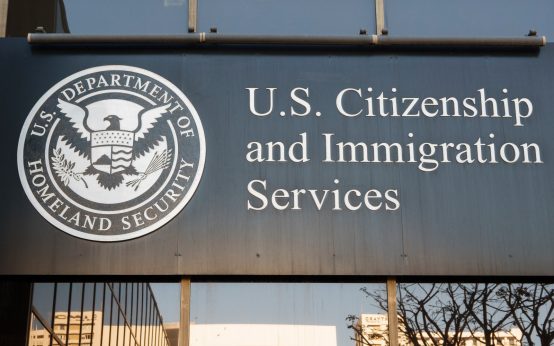 USCIS Raises Immigration Fees