
In recent times, there has been much discussion about the impact of artificial intelligence (AI) on employment, particularly concerning white-collar job losses and the reduction of entry-level opportunities for new graduates. The topic has sparked debates, especially when company leaders attribute workforce reductions to increased AI adoption.
Despite these concerns, the narrative around AI might not be entirely justified. It is not solely responsible for slowing job growth nor is it only a convenient excuse for corporate cutbacks. Instead, AI is playing a distinct role in shaping the job market.
While AI technology is indeed being adopted across various sectors, data suggests that organizations embracing AI are seeing growth and continuing to hire. Companies investing in AI tools often experience improved efficiency and productivity, leading to business expansion.
This trend indicates that AI can complement human work, creating new opportunities rather than simply replacing jobs. The deployment of AI technology often leads companies to innovate and evolve, potentially opening up new kinds of roles that require a different set of skills.
As businesses integrate AI more extensively, it is clear that industries must adapt. Training and education systems may need to align with this technological evolution, ensuring that the workforce possesses the necessary skills to thrive in a changing environment. Companies and workers alike should focus on how to leverage AI effectively rather than viewing it as an adversary.
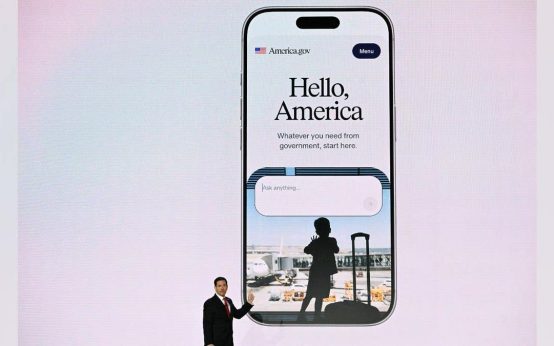 Trump Unveils AI-Powered America.gov Platform
  Trump’s 2024 Campaign Targets Young Men Through Cryptocurrency
  How Modern Windows Improve Home Insulation
  State Department Simplifies Passport Process with Online Applications
  Senate Democrats Block Data Center Bill Over Efficiency Concerns
  Future Cities: Ambitious Projects Aiming for Innovation and Sustainability