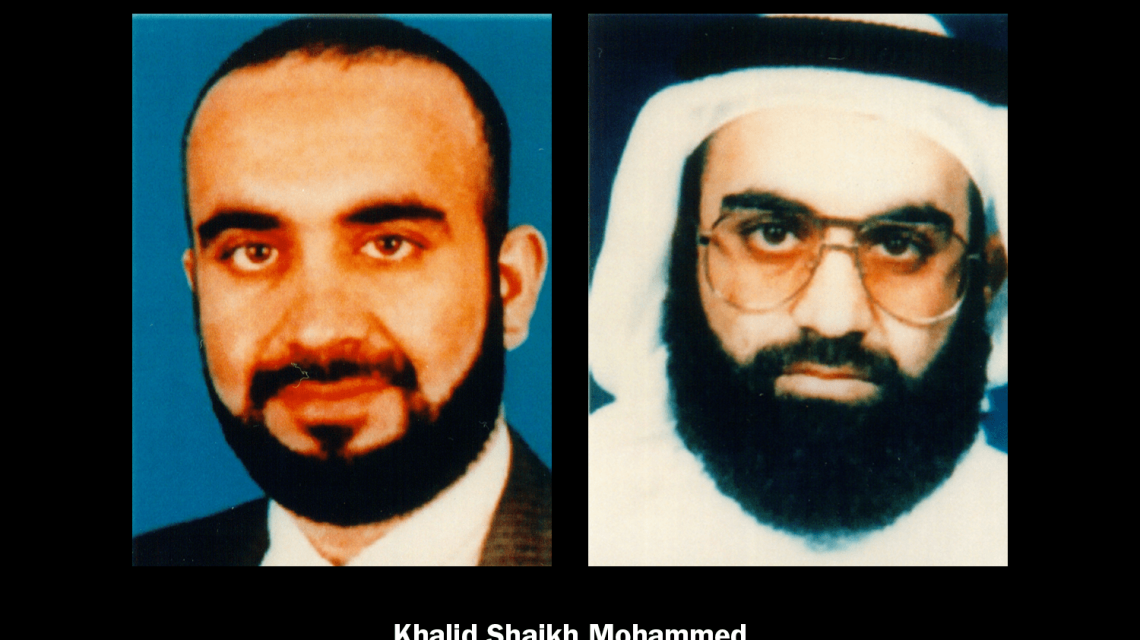
On August 19, 2001, a significant conversation took place between Mohammed Atta in the U.S. and Ramzi bin al-Shibh in Berlin. They discussed potential attack targets. Bin al-Shibh, during interrogations at Guantanamo, shed light on this exchange. Donald Rumsfeld, in his memoir Known and Unknown, noted their use of code when speaking. ‘Architecture’ referred to the World Trade Center, ‘arts’ to the Pentagon, ‘law’ to the U.S. Capitol, and ‘politics’ to the White House.
From 1999, al-Qaeda aimed to target one political, one military, and one financial site. Initially, these included the White House, Pentagon, and World Trade Center. Osama bin Laden’s preference was for a strike on the U.S. Capitol, given its significance as the hub of American support for Israel.
Khalid Sheikh Mohammed later explained to the CIA that Atta had the final say based on operational circumstances. With four pilots, simultaneous attacks on all targets seemed feasible.
Atta and Marwan al-Shehhi explored the World Trade Center and Washington D.C., even taking a tour of the Pentagon. Atta found the White House challenging due to its smaller size and positioning between larger buildings.
As FBI agents reconstructed events, Atta and al-Shehhi planned to strike both WTC towers nearly simultaneously. Attacks on Washington targets would follow quickly. Hani Hanjour was set to attack the Pentagon from Dulles, and Ziad Jarrah targeted the Capitol from Newark.
Atta did not clearly convey these plans to al-Qaeda. Bin al-Shibh, during their conversation, urged Atta to include the White House as a target, although Atta noted its difficulty.
Why do these details matter regarding al-Qaeda’s intended targets versus actual events?
Striking both towers was crucial for their eventual collapse. The massive heat and debris from both impacts caused both towers to fall. Engineers studying the event theorize that a single impact might have allowed one tower to remain.
Building 7’s collapse further supports the cumulative damage theory, as it fell due to indirect impacts. Had al-Qaeda’s original plan succeeded, the Trade Center complex might have endured.
If Atta followed al-Qaeda’s strategy, the White House could have been a target. That scenario would mean an iconic American symbol in ruins, potentially altering global dynamics with the loss of political leaders.
Tomorrow, the focus shifts to Said Bahaji, a figure without a distinct personality or deep Islamic knowledge, yet connected through his wedding to three hijackers.
 The Threat of Melting Glaciers: A Call to Action
  Police Discover Ancient Roman Artifacts Off Sardinian Coast
  Urgent Need for Action in East Africa’s Food Crisis
  Suspected Plague Death in Siberia Sparks Health Measures
  G7 Nations Agree to Release 100 Million Barrels of Oil Amid Fuel Price Surge
  Co-Pilot Attempts Hijack on Flight to Tel Aviv