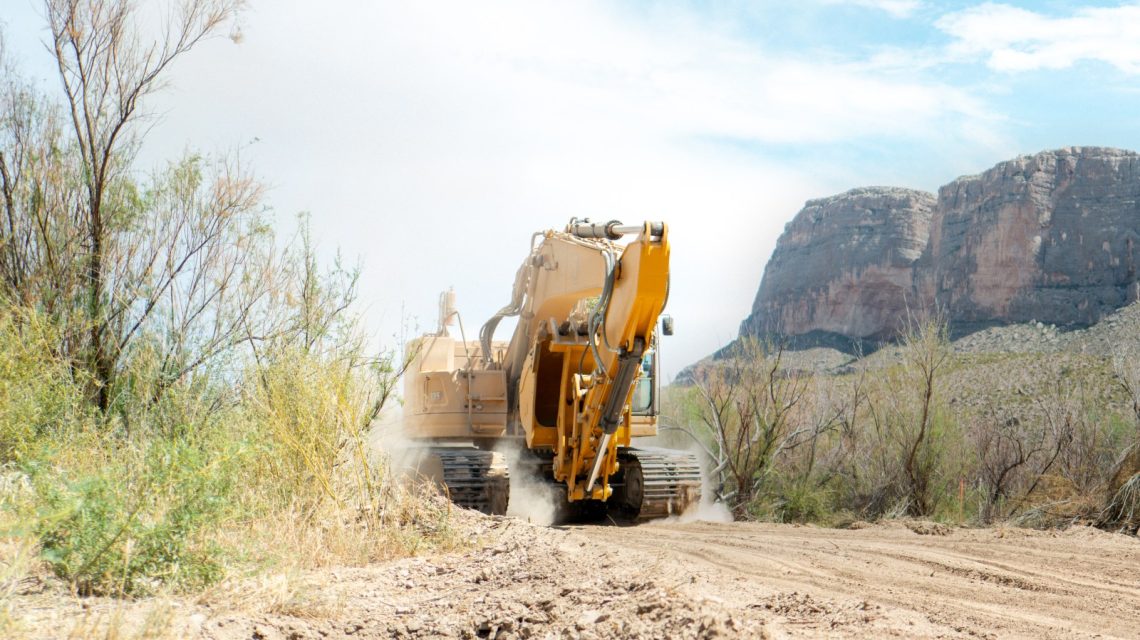
The Trump administration has put a hold on construction related to a controversial border-security initiative in Texas’ Big Bend National Park. This decision comes amid mounting criticism from environmental organizations, tribal advocates, local residents, and lawmakers. U.S. Customs and Border Protection (CBP) Commissioner Rodney Scott announced the pause on Monday, stating that he will personally review the project and engage with local stakeholders.
Scott noted, “Last night, I put a pause on all activity in that park as far as construction goes until I can get down there and do a personal evaluation, talk to some stakeholders, talk to local law enforcement in that area.” This statement was made in a video posted to X, with further updates expected later in the week.
Mike Davidson, a tour guide in Big Bend, expressed cautious optimism, saying, “There’s been very little opportunity for public input so this seems promising. But I am not holding my breath for any real changes.” Despite the pause, caravans of vehicles and machinery have been seen heading toward staging areas.
The decision follows significant opposition surrounding the work scheduled within one of America’s iconic national parks. Critics warn that constructing roads, barriers, and surveillance infrastructure risks damaging the sensitive desert landscapes, wildlife habitats, and culturally significant sites.
Sara Ryza of the Big Bend Tourism Alliance stated, “While the Big Bend business community welcomes any pause in construction, our region’s entire tourism economy remains at risk until the project is canceled outright.” Concerns include potential tourism declines that could result from construction zones.
Why It Matters
Big Bend National Park covers over 800,000 acres along the U.S.-Mexico border, recognized for its ecological significance. The controversy has become a test of the administration’s efforts to expand border-security infrastructure, facing opposition from conservation groups, tribal organizations, tourism advocates, and officials.
The halt coincides with legal actions from tribal and environmental groups aimed at stopping the work. Questions persist about the government’s plans for construction in the area, following national attention over images of heavy equipment operating within the park.
What Was Being Built?
The debate around Big Bend is often linked to President Trump’s border wall agenda, but officials claim no traditional wall is being constructed within the park. Commissioner Scott clarified that CBP is focused on new access roads, improvements to existing roads, detection technology, and vehicle barriers at strategic points. Scott argued these enhancements will aid Border Patrol agents in detecting illegal crossings and responding faster to emergencies.
Federal officials emphasize this work forms part of a wide-ranging border-security strategy that extends beyond the national park.
Why Critics Are Alarmed
Despite assurances from the Trump administration, environmental groups and local advocates remain concerned. They argue that road construction and vehicle barriers risk fundamentally altering the park’s landscape. Mariscal Mountain has emerged as a focal point of controversy due to potential blasting requirements given its challenging terrain.
Earlier, the Center for Biological Diversity warned that construction across Mariscal Mountain poses a threat to one of Texas’ cherished natural areas.
Lawmakers question whether construction could harm sensitive ecosystems and wildlife habitats. Former Big Bend wildlife biologist Raymond Skiles highlighted Mariscal Canyon’s importance for peregrine falcons, noting their sensitivity to disturbances.
The backlash has united an unusual coalition comprising environmental advocates, tourism interests, National Park Service officials, tribal groups, and some Texas leaders.
Lawsuit Seeks to Stop Project
Controversy escalated when The People of La Junta for Preservation, associated with the Lipan Apache community, and Far Flung Outdoor Center filed a federal lawsuit aiming to halt the project. Plaintiff Christina Hernandez, along with Andrew Austin, described potential impacts on archaeological resources, ancestral landscapes, and areas of cultural significance.
The complaint stresses that damages to these resources would be irreparable. It also argues that the project might disrupt Indigenous religious practices tied to the Rio Grande and the broader Big Bend landscape.
Far Flung, an outdoor recreation business, claims infrastructure developments could negatively affect visitor experience, impacting tourism demand in a region heavily reliant on recreation.
Border Security Versus Conservation
Project supporters assert that enhancements are vital due to criminal organizations exploiting border vulnerabilities. They cite enforcement activities in the Big Bend Sector to justify infrastructure needs. However, critics highlight a sharp decline in unlawful crossings during Trump’s second term, suggesting decreased necessity for further construction.
CBP data shows a significant reduction in migrant encounters in the Big Bend Sector during fiscal year 2026 compared to past data.
Terrell County Sheriff Thaddeus Cleveland expressed his support for Scott’s visit, mentioning his persistent requests for the commissioner to assess the area firsthand. Cleveland pointed out the original proposal’s flaws and commended Scott for scaling back plans for a substantial barrier.
He questioned the necessity of constructing a road near Mariscal Canyon, citing its remote terrain as unsuitable for smuggling activities.
What Happens Next
Scott’s announcement of the construction pause does not equate to project cancellation. It indicates federal officials are temporarily retreating while assessing conditions and engaging with stakeholders. The commissioner mentioned potential release of further information following site visits.
Currently, construction has paused inside Big Bend National Park, leaving Trump administration’s border-security project’s future uncertain amid ongoing legal, environmental, and political debates.
Local resident Devonshire concluded, “I hope this is actually the beginning of communication with CBP. I hope that reason can find a way to permanently stop this destruction.”
 The Role of JD Vance in Addressing Working-Class Concerns
  Trump Advocates for Expanded Use of Capital Punishment Amid Execution Controversy
  Investigation into Thomas Crooks’ Assassination Attempt
  Supreme Court Allows Trump Administration to Continue Third-Country Deportation Policy
  Collapse of Hawai’i’s Hōlei Sea Arch Amidst Storms
  Trump Rallies Support in GOP Strongholds as Midterm Elections Approach