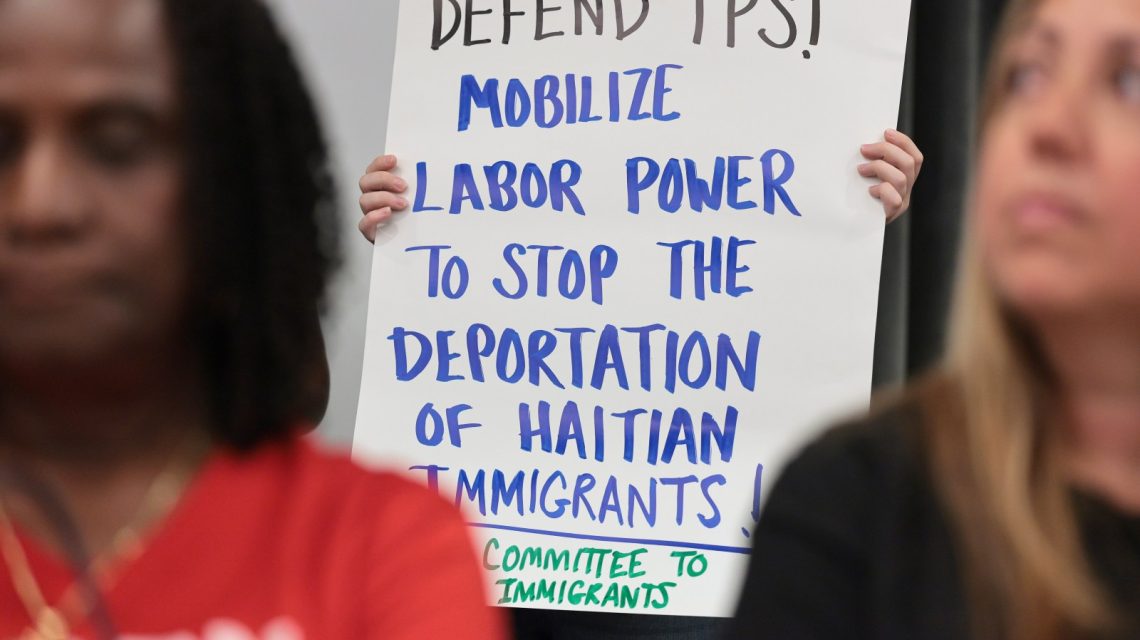
Recent Court Ruling on TPS
The Trump administration marked a court victory concerning Temporary Protected Status (TPS) after a district judge lifted a previous order. This order had stopped the Department of Homeland Security (DHS) from ending TPS for Ethiopians. As a result, 13 countries under TPS during President Donald Trump’s second term lost these protections.
Previously, some TPS designations ended in the past year, while others were affected by a U.S. Supreme Court decision in June that favored the DHS stance. Only a few countries retain TPS, all awaiting renewal decisions this year.
DHS actively conducts enforcement activities nationwide to ensure safety. Temporary Protected Status is intended as a short-term measure; it has long operated like an amnesty program, yet it was never meant to be permanent.
Judge’s Decision
District Judge Brian Murphy recognized significant legal claims from Ethiopian TPS holders. However, due to recent Supreme Court rulings, many arguments could not advance. Judge Murphy declined to maintain the protections while proceedings continued, but allowed one significant claim regarding potential racial or national-origin bias in the administration’s decision to remain open. This allows plaintiffs to pursue evidence through the discovery process.
Diana Konaté of African Communities Together expressed disappointment, citing ongoing crises in Ethiopia, including over 3.3 million internally displaced and more than 50,000 fleeing in early 2026. She criticized the termination of TPS as a means of unfairly targeting Black and Brown immigrants, increasing enforcement, and reducing immigrant contributions to the U.S.
Understanding TPS Policy
TPS grants nationals from countries affected by war or natural disasters the ability to live and work in the U.S. without deportation risk. Trump’s administration sought to terminate TPS for 13 nations, impacting roughly 1 million of the 1.3 million TPS holders at the start of his second term.
Officials argue that conditions in these countries have improved enough for migrants to return, insisting TPS is temporary. Opposition claims many countries are still troubled by conflict or instability, leading to numerous lawsuits challenging termination decisions. A Supreme Court decision in June 2026 supporting TPS revocations for specific countries has bolstered the administration.
Countries Retaining TPS
Currently, countries like Ukraine, Sudan, Lebanon, and El Salvador still hold TPS status. Lebanon had its TPS extended this year due to ongoing conflict in the Middle East. However, these protections may be subject to scrutiny as renewal deadlines approach.
The administration maintains it has authority over TPS qualifications and has often succeeded in legal challenges.
Future Implications for TPS Holders
Without TPS, outcomes vary based on individual immigration status. Some might access other legal protections such as asylum or family-based petitions. Others may seek status adjustment via marriage to U.S citizens.
For some, losing TPS means no employment authorization or removal protection. Consequently, they might face deportation if no other legal options exist. A DHS spokesperson stated that affected individuals have an opportunity to obtain financial assistance for voluntary return.
Organizations argue many migrants have long-established ties in the U.S. and returning poses significant challenges. Despite the ruling, legal battles persist with the Equal Protection claim still moving forward, highlighting the complexities in opposing the administration’s TPS strategy.
 Metrolink Fare Hike Causes Discontent Among Commuters
  Tragic Shooting at Georgia Homecoming Block Party
 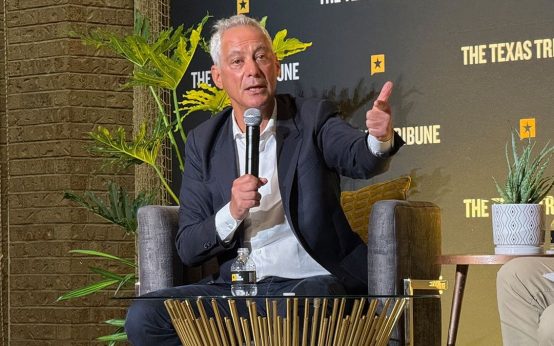 Rahm Emanuel Advises Against Impeaching Trump and Calls for Ethics Reforms
 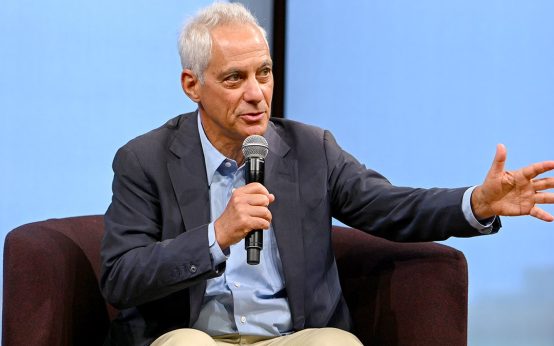 Rahm Emanuel Discusses Potential Presidential Run and Jewish Identity
  JD Vance’s Influence Grows as 2028 Speculations Arise
  Laura Ingraham Criticizes Democratic Policies on ICE and Immigration