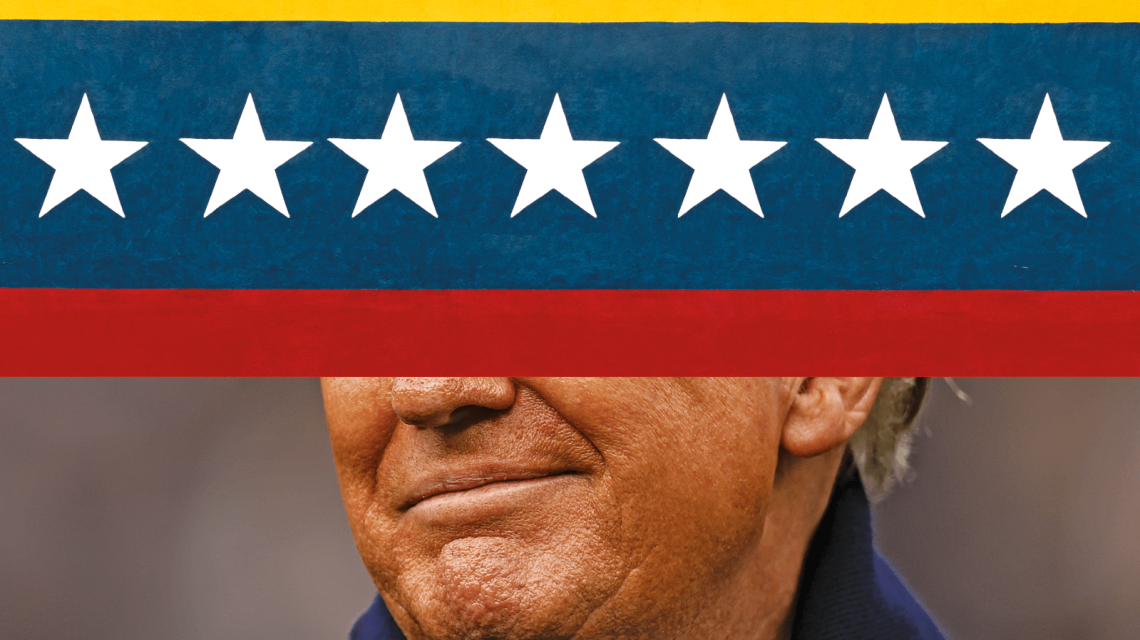
When President Trump ordered the arrest of Venezuelan President Nicolás Maduro in January, it stirred significant concern. Notable figures, like Adam Smith from the House Armed Services Committee, cited historical military interventions that ended poorly, like Iraq and Libya. Jim Himes, House Intelligence Committee, drew parallels to past U.S. military actions in Afghanistan, Iraq, and Libya. In contrast, Secretary of State Marco Rubio argued this situation differed greatly from those in the Middle East.
Despite early warnings, chaos did not ensue. The scenario of American troops in Venezuela, long cited by Chávez and Maduro to maintain control, became a reality. Rather than causing unrest, many Venezuelans welcomed this change. Shell signed a gas development agreement, and SLB returned to continue operations. Over 670 political prisoners have been released, and political parties are actively engaging in public activities once more. Influential opposition figures began returning home, marking a significant shift in the country’s political landscape. Open media coverage expanded, covering opposition activities, a stark contrast to past restrictions on free expression.
Natural Disaster Challenges the Transition
The situation in Venezuela took a dramatic turn on June 24, when two devastating earthquakes struck. With magnitudes of 7.2 and 7.5, these quakes killed at least 5,000 people and left thousands missing. Infrastructure suffered severe damage, and the cost of rebuilding could reach $15 billion according to economist Asdrúbal Oliveros. Alejandro Grisanti estimated it could be as high as $20 billion.
Despite these challenges, U.S. forces continually delivered aid to Venezuela. Francisco, living in the quake-hit city of Maiquetía, expressed deep gratitude for U.S. aid. The disaster initially sparked doubts about the intervention’s stability, but support from American investors continued unabated. Trust towards the U.S. increased, according to Jesse Cole from Sky Drop Capital, highlighting improved order and reduced corruption.
A Surge in Investment and Economic Opportunities
Venezuela offers vast untapped oil reserves, now gaining interest after the introduction of a new hydrocarbons law. This law allows private companies to operate without intermediaries, attracting foreign investment. The oil production, which jumped from 800,000 to 1.1 million barrels per day, demonstrates renewed economic activity. The regulatory environment now encourages foreign input, reducing previous monopolistic practices by PDVSA, and paving the way for a diverse range of investments in energy, fintech, mining, and tourism.
As a result, economic recovery is underway, with oil exports reaching record levels, bringing in significant revenue. U.S. strategies emphasize stabilization, recovery, and transition to democracy, aiming to normalize Venezuela’s economic scene and benefit its citizens.
Rebuilding Amidst Continued Challenges
Reconstruction poses a massive financial challenge, given Venezuela’s huge sovereign debt estimated at $240 billion. The economy’s size has shrunk drastically, increasing urgency for strategic economic plans. Efforts to rebuild focus on crucial, undamaged areas like the Orinoco Belt and Maracaibo Basin, maintaining oil operations despite infrastructure setbacks.
For Venezuelan investors like Diego Jaramillo, the current landscape echoes a historic chance to reshape the nation’s future. The involvement of U.S. troops fosters investment, particularly in oil, telecommunications, and technology sectors.
Public Sentiment and Political Dynamics
The aid from the U.S. improved public sentiment, reinforced by a poll where 75% of Venezuelans trusted America’s crisis management. Political dynamics are shifting, with efforts to unify democratic institutions. Still, high trust in opposition figure María Corina Machado indicates a public yearning for deeper political changes beyond Delcy Rodríguez’s government.
The U.S. Administration stresses a gradual, patient approach towards democratic transition. Although significant strides have been made toward economic recovery, concerns linger about the full realization of a democratic transformation. The situation remains fluid, balancing between economic opportunities and deep-rooted political challenges.
 The Threat of Melting Glaciers: A Call to Action
 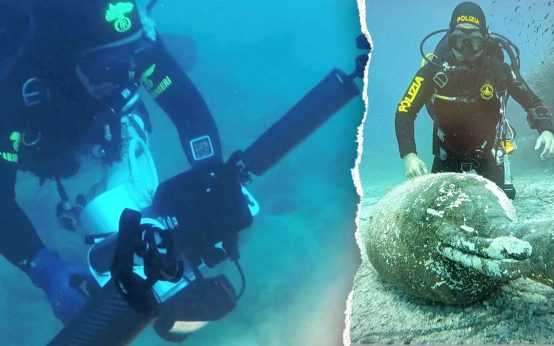 Police Discover Ancient Roman Artifacts Off Sardinian Coast
 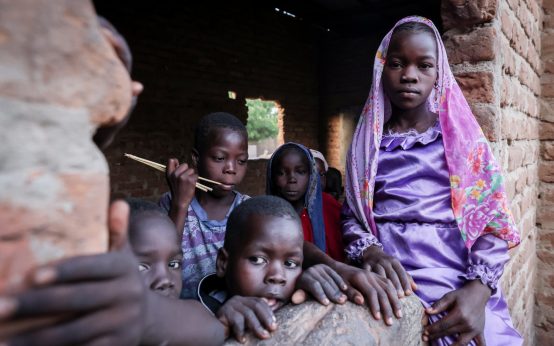 Urgent Need for Action in East Africa’s Food Crisis
  Suspected Plague Death in Siberia Sparks Health Measures
 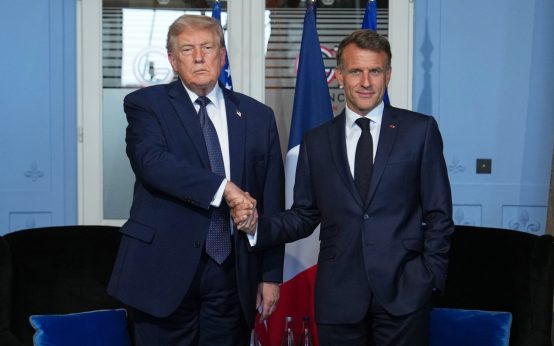 G7 Nations Agree to Release 100 Million Barrels of Oil Amid Fuel Price Surge
  Co-Pilot Attempts Hijack on Flight to Tel Aviv