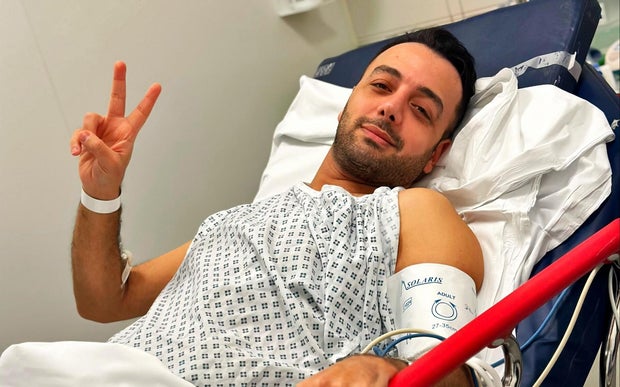
On July 17, 2026, the British Iranian journalist Pouria Zeraati expressed a profound sense of relief upon receiving news of the U.K.’s decision to formally ban support for Iran’s Islamic Revolutionary Guard Corps (IRGC). ‘The happiest day of my life since I was stabbed,’ he remarked, reflecting on his past attack by mercenaries thought to be connected to the IRGC’s interests.
Legislative Actions and Implications
Following swift approval by the U.K. Parliament, the IRGC was designated as a ‘threat to national security.’ This move by Prime Minister Keir Starmer’s outgoing administration makes it a criminal offense to support the IRGC, punishable by up to 14 years in prison. Sabotage acts on behalf of the group could lead to life imprisonment, similar to penalties for designated terrorist organizations.
Zeraati and Challenges Facing Iranian Journalists
Journalists of Persian descent residing in the West frequently confront threats from the Iranian regime. Zeraati, a TV anchor for Iran International—a network critical of Iran’s regime—has been targeted, his image appearing on Iranian billboards with harsh accusations. The regime’s antagonism led to a terrorist designation for Iran International.
In 2022, due to credible threats, London’s Metropolitan Police fortified Iran International’s studios. The channel’s operations moved temporarily to Washington, D.C. In March 2024, Zeraati faced an attack, stabbed by hired assailants, underscoring ongoing dangers. The suspects fled rapidly, leaving Zeraati seriously injured.
Zeraati resumed work shortly after, demonstrating resilience despite the ordeal. British prosecutors attributed the attack to state-sponsored efforts, highlighting surveillance and financial transactions indicating external funding for the attackers.
Prosecution Outcome
The assailants, Romanian nationals Badea and Stana, received prison sentences for their role in the attack, recognizing the involvement as part of a state-sponsored plot. A third suspect remains in Romania, facing local legal consequences.
Iran’s Actions Across the Globe
MI5 had identified numerous Iran-linked plots in the U.K. up to October 2025, influencing the decision to label the IRGC. The Quds Force, part of the IRGC, orchestrates activities against perceived enemies abroad. The U.K. also banned a group called Islamic Companions of the Right, linked to attacks on Jewish communities in Europe, believed to be managed by the Quds Force.
Global Response and Diplomacy Concerns
The U.S. previously designated the IRGC as a foreign terrorist entity in 2019, followed by similar actions by Canada and the EU. However, the U.K. hesitated due to diplomatic stake concerns, potentially impacting British-Iranian relations.
Neil Basu, former head of Counter Terrorism Policing, sees the move as politically beneficial and essential for enhancing law enforcement abilities. It aims to deter criminal involvement with the regime through severe punishments and heightened security priority.
Zeraati supports the potential deterrent effect on regime proxies, anticipating safer conditions before returning to the U.K. ‘This first step could lead to a safer U.K.,’ he stated, hopeful for diminished threats during his residency abroad.
 Mayor Mamdani Responds to Netanyahu’s United Nations Speech
  British Prosecutors Charge Man with Terrorism Over Politician’s Murder
  Backlash Against Trump’s White House Photos
  State Department Accuses Senate Democrats of ‘Grandstanding’ Over Venezuela Oil Deal
  EU Plans Deportation of Rejected Asylum Seekers
  British Police Arrest Man Suspected of Terror Plot