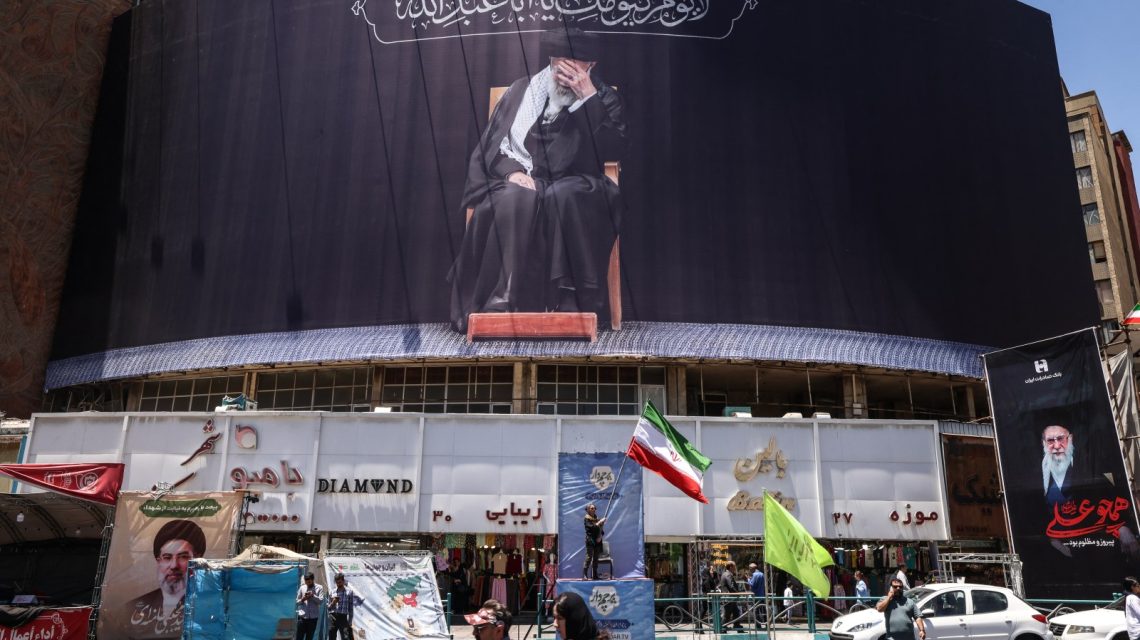
The United States and Iran have made their first significant move toward ending their prolonged war. Both countries aim to highlight perceived achievements in this costly conflict that has impacted the Middle East and disrupted global markets. While the memorandum of understanding (MoU) announced on Sunday is slated for signing on Friday, it does not yet represent a lasting peace. Iran has accomplished its core goal, showcasing resilience against a joint campaign by the U.S. and Israel.
The Islamic Republic has proven its capability to exert pressure on international oil and gas trade through the Strait of Hormuz. This move has intensified the conflict with Gulf Cooperation Council (GCC) states like Saudi Arabia and the United Arab Emirates. The fate of the Persian Gulf crisis is now intertwined with the confrontation between Iran’s ally, Hezbollah, and Israel.
Meanwhile, the U.S. has successfully targeted Iran’s key leadership, notably Ayatollah Ali Khamenei, and weakened Iran’s military capabilities. Yet, President Donald Trump’s proclaimed victory is tempered by expectations of a more aggressive Iranian stance under Khamenei’s successor, Mojtaba.
Sina Azodi, an assistant professor at George Washington University’s Elliott School of International Affairs, noted Iran’s strengthened position in the region. He stated that Iran’s willingness to confront the U.S. and Israel simultaneously might lead to increased confidence in its regional actions. Azodi suggested an alternative scenario where the U.S. and Iran engage in conflicts without reaching a full-scale war, which could damage Tehran but not alleviate the pressure on Washington.
Agreement Details & Controversy
The MoU’s contents, subject to different interpretations by U.S. and Iranian officials, seem focused on the current conflict. The agreement reportedly includes extending a ceasefire for 60 days and lifting Iranian and U.S. blockades of the Strait of Hormuz. However, it remains unclear whether the MoU addresses Iran’s nuclear program or aid to Hezbollah.
U.S. Vice President JD Vance mentioned to ABC that Iranian officials agreed to reduce support for non-state partners and expressed the U.S. willingness to relieve sanctions if Iran makes necessary long-term commitments. Still, no details or confirmations have been provided by Iranian officials. Vance indicated that frozen Iranian funds would not yet be released.
President Trump’s announcement highlighted the MoU’s impact on the Strait of Hormuz and framed the arrangement as opposing the 2015 Joint Comprehensive Plan of Action (JCPOA), which he labeled as a direct path to a nuclear weapon. Although Iranian officials deny pursuing nuclear weapons, Iran increased uranium enrichment following Trump’s withdrawal from the JCPOA in 2018.
Trump has emphasized that highly enriched uranium in Iran would be dealt with as part of a future deal. He proposed allowing Iran lower-level uranium enrichment, ensuring military non-use. Iranian statements have described the MoU as a victory against foreign aggression. President Masoud Pezeshkian stressed dialogue, responding to criticism from hardliners.
The U.S.’s Strategic Position
Mara Rudman, a senior fellow at the University of Virginia’s Miller Center, argued only restored maritime traffic and nuclear progress would prove the agreement’s effectiveness. Despite advancing potential substantive progress, she assessed that the U.S. now negotiates from a weaker position than before, given previous unilateral actions.
Ceasefire and Future Relations
Both the U.S. and Iran prioritize extending the ceasefire over broader deals. Ali Vaez, director of the International Crisis Group’s Iran Project, explained that each side desires economic relief without settling deeper issues. The MoU could help stabilize the situation or lead to further conflict.
This negotiation moment is powered by fear rather than trust, as both sides realize military force causes harm but doesn’t resolve issues. The emerging doctrine described by Masoud Rezaei from Tehran’s Center for Middle East Strategic Studies presents a dynamic of ‘mutually assured vulnerability.’
Rezaei noted Iran’s missile and drone attacks against U.S. regional targets and Israeli military positions have pressured Washington to shift strategies. He emphasized the importance of restoring deterrence for Iran, given its asymmetrical warfare limitations and adversaries’ superior defenses.
Skepticism of U.S. and Israeli promises remains in Iran, leading to pursuit of agreements to escape strategic deadlock. Rezaei highlighted Iran’s ability to leverage economic pressure via the Strait of Hormuz for future negotiations, counterbalancing conventional sanctions.
This shift reflects a changing geopolitical landscape where Iran’s maritime influence could impact external negotiations and potentially compel actors to engage over economic restrictions.
 British Police Arrest Man Suspected of Terror Plot
 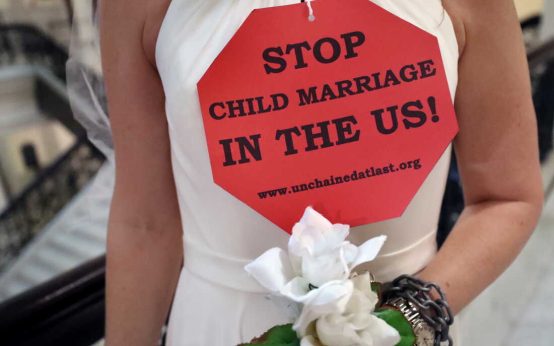 Activists Push for Nationwide Ban on Child Marriage in the U.S.
  Investigation into Alleged Incident at Cornell University
  Rising Drone Threats Highlight Vulnerabilities in Moldova’s Airspace Defense
 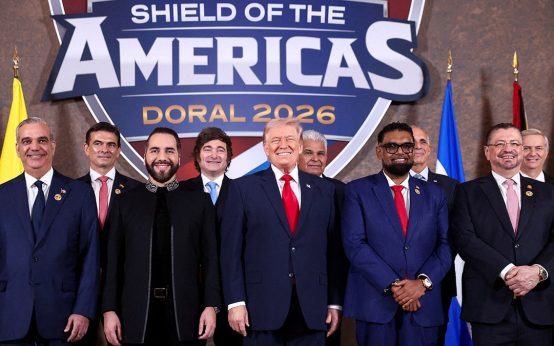 Bolivia Faces Security Test Amid Unrest
 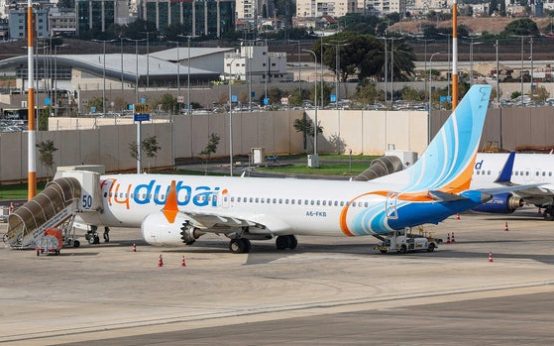 Incident on FlyDubai Flight Raises Security Concerns