U.S. officials face an additional challenge: a potential trade conflict with Canada. President Trump has managed to turn a historically close neighbor into an adversary. In July, Trump threatened a 50% tariff on $20 billion of Canadian exports.
This led both nations to quickly seek a compromise to avoid further disputes. The U.S. aimed to rectify what it viewed as an unfair trade relationship by getting Canada to increase imports of U.S. dairy products and reintroduce U.S. alcohol in their markets. Additionally, they wanted Canada to remove retaliatory tariffs imposed on U.S. goods after previous U.S. tariffs.
Canada needed Trump to drop the 50% tariffs and reduce duties on its raw materials. There was a possibility of agreement, but negotiations faltered. The U.S. blamed Canada for new demands. Canadian Prime Minister Mark Carney accused the Trump administration of undermining Canada’s autonomy in global trade agreements.
Carney explained Canada’s decision to exit talks, indicating a strained relationship with the U.S. If unresolved, Canada’s retaliatory tariffs will commence on September 8. Both economies will feel the impact. U.S. farmers may face increased costs for Canadian fertilizer, possibly necessitating government support.
Canada’s economy, much smaller than the U.S., risks significant job losses, especially in the automotive sector. Nonetheless, Carney judged Washington’s demands to be costlier than the potential economic fallout. Many Canadians agree, viewing submission to Trump adversely.
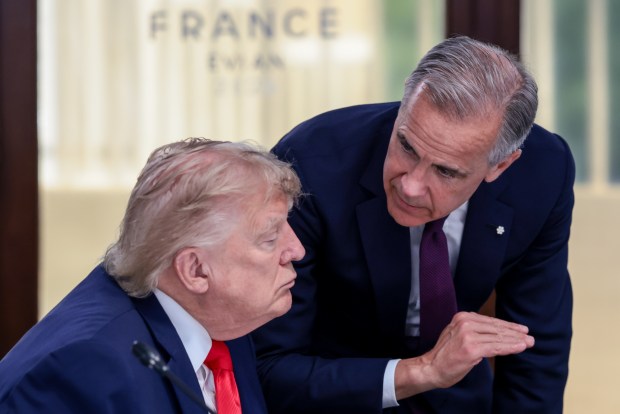
Carney’s resistant stance has garnered domestic support, even from opponents. President Trump and Prime Minister Carney discussed trade at a G7 summit in 2026.
This situation teaches a lesson in foreign policy. Persistent coercion eventually meets resistance. Countries resist external pressure and retaliate economically against perceived subjugation. Trump appears to miss this understanding, relying on sustained pressure without considering the consequences.
Trump has applied this approach in other countries, including attempted tariffs regarding Greenland, pressure on Iran about the Strait of Hormuz, and attempts to influence Brazil. None achieved the desired outcomes, demonstrating limits to U.S. power.
Daniel DePetris is an expert at Defense Priorities and writes about foreign affairs for the Tribune. Readers can submit letters to the editor or email [email protected].
 Tensions Rise Between U.S. Ambassador and South African President
  The Threat of Melting Glaciers: A Call to Action
  Police Discover Ancient Roman Artifacts Off Sardinian Coast
  Urgent Need for Action in East Africa’s Food Crisis
  Suspected Plague Death in Siberia Sparks Health Measures
  G7 Nations Agree to Release 100 Million Barrels of Oil Amid Fuel Price Surge