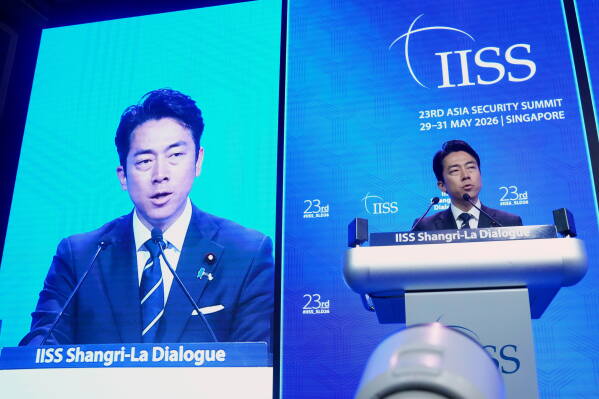
The Trump administration is actively advancing the integration of artificial intelligence (AI) within the U.S. military while industry leaders urge caution and the establishment of safeguards around AI usage. Adm. Frank Bradley, the leader of U.S. Special Operations Command, emphasized the importance of exercising caution when employing AI for military operations during a conference in Tampa, Florida. He stressed that humans must maintain confidence that AI would deliver violence solely where intended.
Defense Secretary Pete Hegseth is advocating the rapid evolution of military AI capabilities, but this has sparked conflicts with several technology firms concerned about safety measures. Hegseth has made it clear that the Pentagon will employ AI by any legal means necessary, and he rejected AI models limiting lawful military applications, emphasizing systems with no ideological constraints.
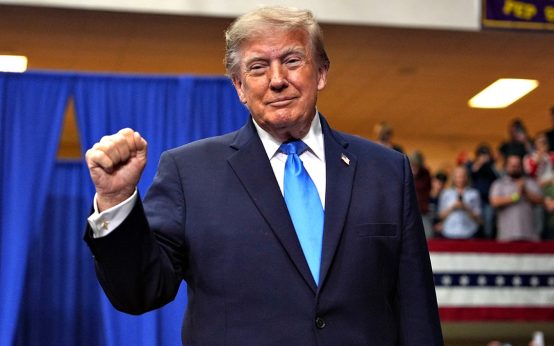
President Donald Trump halted plans for a new AI executive order due to worries that it might hinder America’s leading edge in AI. Trump noted that the U.S. leads globally in AI technology, surpassing China, and expressed reluctance to diminish this advantage.
The Pentagon seeks AI to create battlefield tools that expedite target identification and strike operations, according to an anonymous official. U.S. Special Operations Command officials see AI as a tool to enhance mission focus and administrative efficiency. Sgt. Maj. Andrew Krogman stated that AI could streamline administrative tasks and modernize command operations.
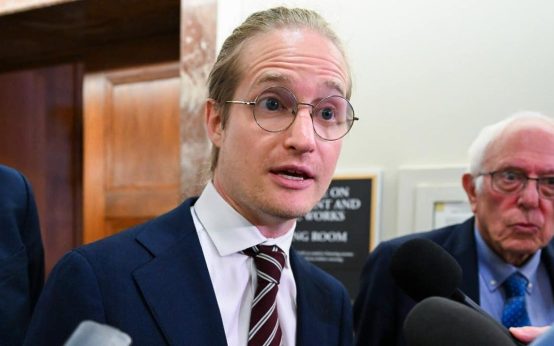
Melissa Johnson, the command’s acquisition leader, articulated AI’s role in reducing cognitive load on routine tasks. She clarified AI is meant to enhance operator judgment, not replace it. Helen Toner from Georgetown University concurred on AI’s varied roles within military settings, highlighting AI’s role in administrative functions.
Lt. Gen. Michael Conley highlighted AI’s application in intelligence classification during military operations, demonstrating its speed in supporting battle strategies. AI is facilitating target detection and strikes, according to Toner, with human oversight ensuring crucial decision-making remains intact.
A public dispute has arisen between the Pentagon and Anthropic, regarding AI control and ethical dimensions. Hegseth disagrees with Anthropic CEO Dario Amodei’s concerns about military AI use, leading to contract termination and prohibition of future government collaboration. Anthropic is contesting this as illegal retaliation, impacting its $200 million defense contract.
The Pentagon is now exploring partnerships with other AI firms such as Google, OpenAI, and SpaceX. Toner pointed out that public perception often underestimates the cautious approach the U.S. military adopts toward new technologies, as commanders aim to avoid unintended effects in operations.
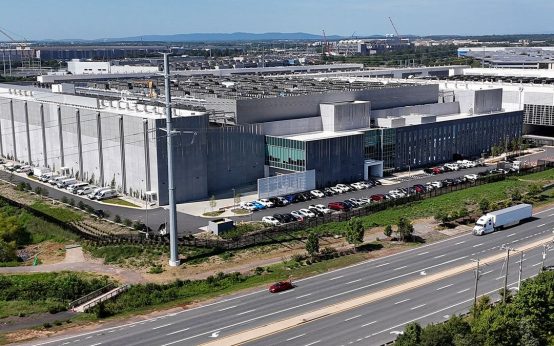 National Security Push Faces Local Resistance in Data Center Expansion
 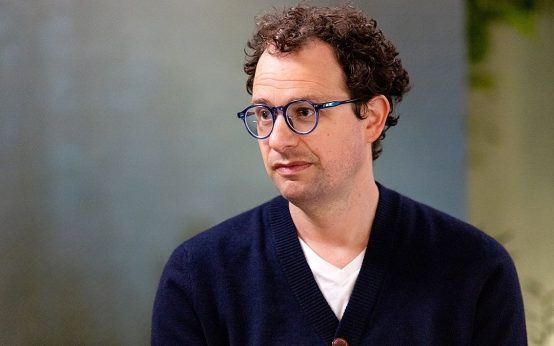 AI Regulation Debate Intensifies Amid Tech Leaders’ Warnings
 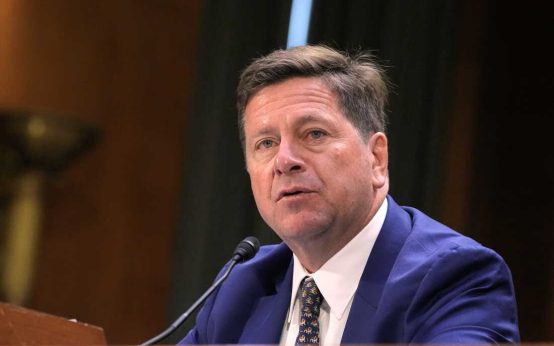 Jay Clayton Appointed as White House AI Czar
  Addressing the Growing Threat of AI-powered Scams and Deepfakes
  President Trump Unveils New Super Intelligence Force
  Challenges in Managing Advanced AI Models