
On Tuesday, June 16, 2026, UN Secretary-General António Guterres visited Port-au-Prince, Haiti, to address the country’s escalating gang violence crisis. Currently, more than 10% of the population is homeless due to the conflict. Recent UN data indicates 2,300 fatalities and 100 kidnappings have occurred this year, with 1.5 million Haitians displaced. Among the kidnapped is James Boyard, the Defense Ministry’s cabinet director, taken from a previously safe capital area.
Guterres’ visit followed significant violence in Cité Soleil, where over 30 individuals were killed, injured, or missing last weekend according to the Cooperative for Peace and Development, a local rights group. During his visit, Guterres’ convoy passed through areas devastated by gang control, marked by bullet-ridden buildings and abandoned properties. A bus, known locally as a tap-tap, passed by, its glass riddled with bullet holes, as graffiti criticized the powerful Viv Ansanm gang, controlling 70% of the capital.
The visit drew attention to the 300,000 displaced by gang violence, including over 18,000 from Cité Soleil in May based on U.N. International Organization for Migration reports. Gregoire Goodstein, IOM’s chief in Haiti, acknowledged the escalating displacement crisis. Guterres began his visit at the new gang-suppression force’s headquarters, approved by the UN Security Council in September. It succeeds a previous mission led by Kenyan police, which struggled due to inadequate resources. Jamaica, Chad, El Salvador, and Guatemala contributed less than 1,000 troops to assist Haiti’s National Police and Armed Forces.
During a confidential meeting with Prime Minister Alix Didier-Fils-Aimé, Guterres discussed Haiti’s future and the pressure to hold elections after the 2021 assassination of President Jovenel Moïse. Elections are deemed necessary to restore republican governance. Fils-Aimé emphasized the need for security to proceed with elections and sought Guterres’ support in ensuring international partners fulfill their commitments.
Guterres also visited a shelter at a former school for those displaced by gang violence. Residents, including women concerned about privacy and children’s welfare, had fled their homes due to violence. Living conditions are dire, with over 1,200 people residing in cramped quarters and limited to one meal per day. Guterres reassured them, stating, “We’re going to do our best.”
As Guterres concluded his visit, a man expressed the residents’ desire to return home, reflecting widespread frustration. Wendy Cejour, a shelter resident, spoke of the challenges faced, emphasizing a hope for better living conditions. Prior to Guterres’ arrival, Human Rights Watch urged him through a letter to address the violence’s root causes and protect civilians. Guterres expressed the lasting impact of his experiences, noting, “Each day is a fight to survive … The women and the children pay the highest price.”
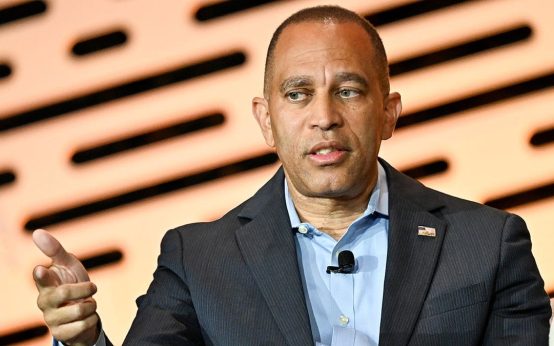 Upcoming Congressional Elections: Key Districts to Watch
  Bolivia Faces Security Test Amid Unrest
  President Trump’s Pre-Midterm Interview on Key Issues
  Incident on FlyDubai Flight Raises Security Concerns
 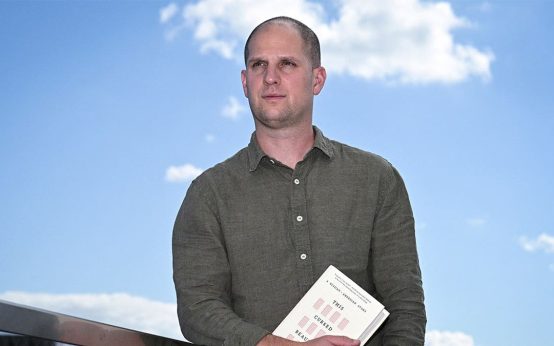 Journalist Gershkovich Discusses Wrongful Detention and Release in Russian Prisoner Swap
 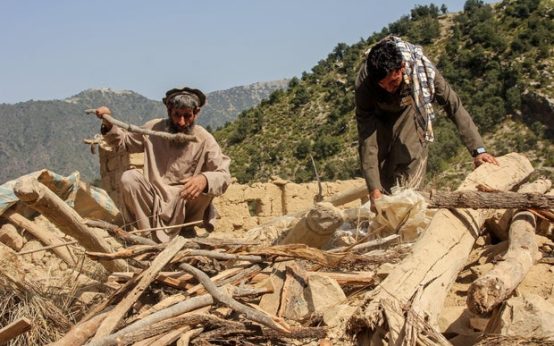 Pakistan Airstrikes in Afghanistan: Civilian Casualties Reported