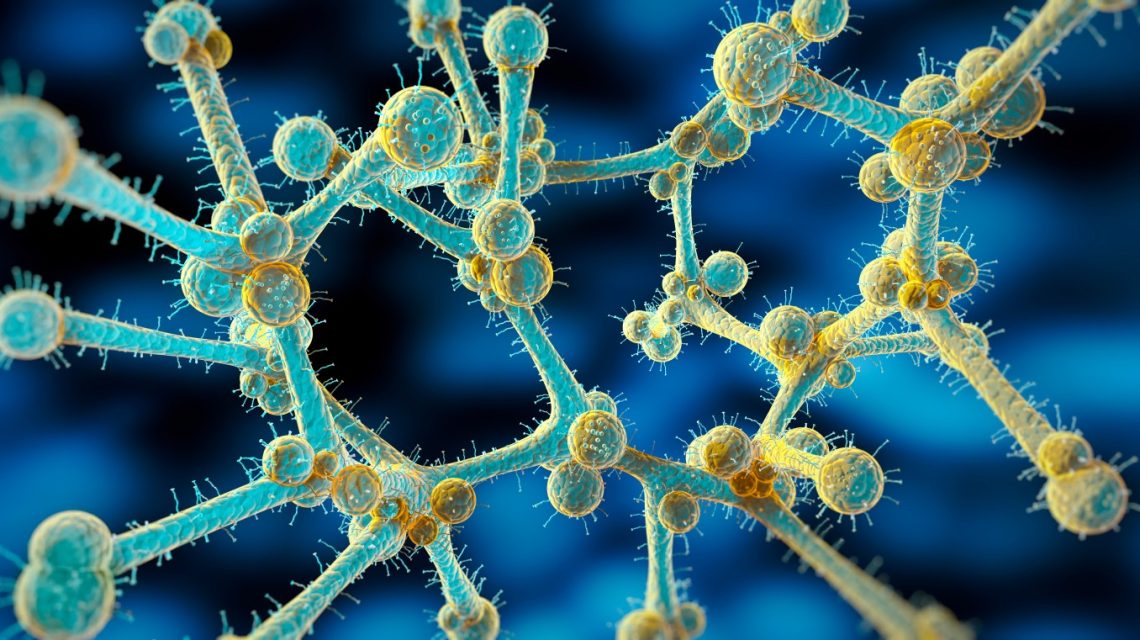
A drug-resistant fungus, Candida auris, claims thousands of lives in U.S. hospitals each year. Scientists have uncovered how it survives on human skin by taking control of the body’s immune system.
“Candida auris colonizes skin way better than most other fungi, setting it up to invade once the immune system is weakened,” said Dean Merrill, dermatologist and professor at the University of California, San Francisco (UCSF) and study lead.
The fungus presents a significant clinical challenge due to the lack of effective methods to remove it from the skin. According to the Centers for Disease Control and Prevention (CDC), Candida auris has been identified in more than half of the U.S. states this year.
A Silent but Deadly Threat
First detected in Japan in 2009, Candida auris is a yeast that has spread globally in healthcare settings. While it can live harmlessly on the skin, it becomes life-threatening if it enters the bloodstream, especially for vulnerable patients. Annually, it kills an estimated 3,000 people in the U.S.
The fungus is resistant to common antifungal treatments. Until recently, scientists lacked insight into why C. auris persists on skin despite immune system efforts to clear infections. Research published in Science by the UCSF team has begun to unravel this mystery.
By examining C. auris alongside Candida albicans, another common fungus that typically clears quickly from the skin, researchers found notable differences in immune response. In mice, C. albicans disappeared swiftly, whereas C. auris persisted, seeking refuge in hair follicles.
Rewiring the Skin’s Defenses
The study found that C. albicans triggers the release of IL-17, which helps renew skin and bolster antifungal defenses. On the other hand, C. auris induces interferon gamma, commonly associated with fighting viruses, which is ineffective here.
C. auris alters its cell wall to expose chitin, a molecule prompting immune cells to release interferon gamma around the hair follicle. This suppresses antifungal responses, including IL-17, slowing hair follicle cell turnover. As a result, old cells accumulate, providing C. auris with a safe haven.
“Chitin is widespread in nature, so it’s not like human skin never encounters it, but we were surprised to see that C. auris actively uses its chitin to turn the skin into a perfect nest,” said Suzanne Noble, UCSF professor of microbiology and co-senior author.
Potential strategies for combating the fungus include drugs to alter immune responses towards IL-17 or blocking chitin to prevent the interferon gamma response. The research offers insights into how microbes quietly coexist with the human body and later become dangerous.
Reference: Merrill, E. D., Noble, S. M., et al. (2026). The fungal pathogen Candida auris exposes chitin to trigger IFNγ and persist in hair follicles. Science. https://dx.doi.org/10.1126/science.adu6688. Contact Newsweek editors on this story: Kara Dolman and Gray R. Thomas.
 Increased Funding Needed for Psychiatric Hospitals
  Trump Administration Distributes ACA Refund Checks
  Higher Consumption of Ultra-Processed Foods Linked to Increased Health Risks
  Understanding Inflammation: Myths and Facts
  Calm Parenting: Strategies to Manage Stress
  Trump’s Executive Order to Combat Mosquitoes and Ticks in D.C.