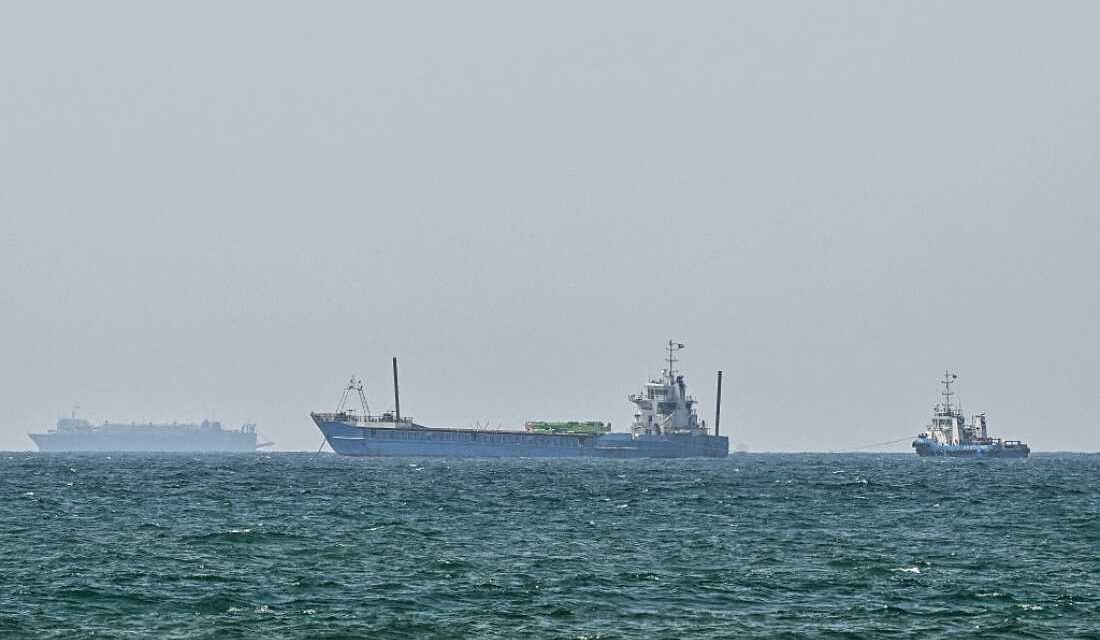
On May 21, 2026, vessels were anchored off the coast of Sharjah in the United Arab Emirates. The focus of recent discussions between the United States and Iran revolves around resolving the conflicts sparked by the war that began with the US and Israel’s attack on Iran on February 28, 2026.
President Trump and administration officials are cautiously managing expectations of reaching an agreement to end the war. While a memorandum of understanding to reopen the Strait of Hormuz has been largely negotiated, Trump emphasized that any deal would be thoroughly deliberated. “If I make a deal with Iran, it will be a good and proper one,” he posted on social media.
US Secretary of State Marco Rubio, speaking from New Delhi, stated the US would prioritize diplomatic efforts. Rubio stressed the desire for Iran to restore ship numbers transiting through the Strait of Hormuz to pre-war levels within 30 days, while the US would aim to lift its blockade in the same timeframe.
Semi-official Iranian news agencies indicate ongoing disagreements over several issues. The Tasnim agency accused the US of hindered progress due to conditions surrounding frozen Iranian funds.
The war has significantly impacted regional dynamics, with Iran retaliating against the US and Israeli strikes on military bases and energy infrastructure in countries like Saudi Arabia and the UAE. A ceasefire was agreed upon in April, yet thousands of Iranians were reportedly killed in these strikes.
Talks currently focus on reopening the Strait of Hormuz, a critical passage for global oil. Shipping disruptions have markedly affected world oil prices and the availability of numerous products.
Rubio, during his visit to India, confirmed the potential for an agreement on managing the strait. However, nuclear issues remain contentious. A senior diplomat indicated that Iran had not committed to addressing nuclear concerns, including the fate of highly enriched uranium.
Iran’s demands for ending hostilities include releasing frozen assets, lifting blockades, and selling oil freely. The Iranian foreign ministry confirmed discussions would consider nuclear issues contingent on sanctions being lifted and assets released.
Trump insisted the US’s naval blockade would continue until a certified agreement is reached. Iran’s parliamentary response stressed that negotiations rather than threats should lead to a solution.
Israel remains opposed to a cessation of hostilities in Lebanon, where fighting has resulted in over 3,200 casualties, including civilians and medical personnel. Despite a ceasefire extension brokered by the US, Israel has continued military operations against Hezbollah.
 The Threat of Melting Glaciers: A Call to Action
 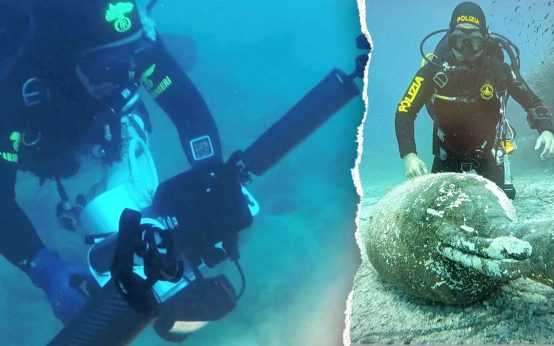 Police Discover Ancient Roman Artifacts Off Sardinian Coast
  Urgent Need for Action in East Africa’s Food Crisis
  Suspected Plague Death in Siberia Sparks Health Measures
 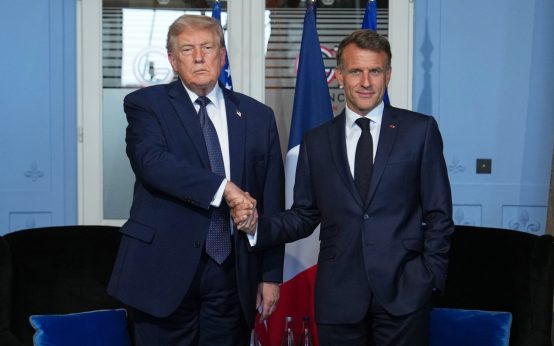 G7 Nations Agree to Release 100 Million Barrels of Oil Amid Fuel Price Surge
  Co-Pilot Attempts Hijack on Flight to Tel Aviv