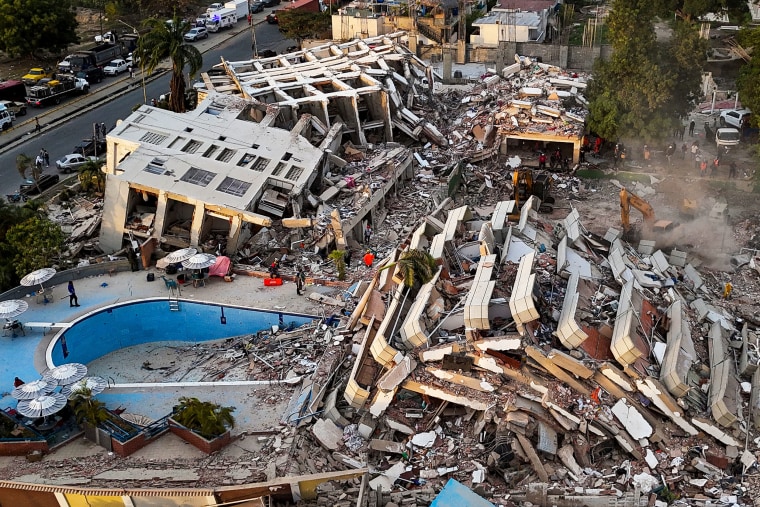
In the aftermath of last week’s devastating earthquakes in Venezuela, Delcy Rodríguez, the U.S.-backed acting President, has staunchly defended her government’s response. At a press conference in Caracas, Rodríguez addressed allegations that authorities reacted slowly and that the actual death toll might be underestimated. She also dismissed claims that poorly constructed social housing worsened the disaster’s impact.
The criticism arises as residents of La Guaira, the most affected state, voiced frustrations over the perceived sluggish government response. In the absence of formal search and rescue operations immediately after the earthquakes, locals resorted to searching for survivors themselves. The shortage of specialized equipment hampered official rescue efforts, while experts highlighted the vulnerability of neighborhoods due to substandard housing projects developed during Hugo Chávez’s tenure.
Rodríguez, donning a mourning ribbon, stated, We activated immediately.
She criticized journalists for spreading misinformation, asserting Venezuelan authorities left no stone unturned in their humanitarian response. The government reported a death toll of at least 2,295 as of Wednesday, a number that is expected to rise.
Efforts have gradually shifted to the recovery of bodies amid a lingering odor of decomposition in the disaster areas. Emergency workers celebrated the rescue of a 43-year-old security guard after eight days trapped under debris—an event that lifted spirits. The man, Hernán Alberto Gil Flores, survived by consuming food and water provided by rescuers through small openings while he remained in an air pocket beneath concrete ruins.
Despite this rare moment of hope, despair is prevalent in La Guaira, as many remain missing and rescue teams have found few signs of life. Over 38,000 missing persons reports have been submitted to a website managed by the Venezuelan opposition, as official figures are unavailable.
Questioned about the disaster’s true toll, Rodríguez maintained that the government’s figures were carefully verified and refrained from speculation. She acknowledged that initial rescue efforts mostly involved survivors and locals but emphasized the mobilization of state and private sector resources shortly after the earthquakes.
The crisis presents a significant challenge for Rodríguez, who assumed leadership following Nicolás Maduro’s ouster with the U.S. government’s support. Her role was due for a mandate extension, with the situation in flux under Venezuelan constitutional rules. Under these rules, interim leadership can continue if the National Assembly agrees, or an election could be triggered if a permanent vacancy is declared.
Unlike previous events, Venezuela has accepted international aid and rescue operations from various countries, including those without diplomatic ties. Rodríguez expressed gratitude to nations such as Israel and acknowledged assistance from the United States, which has committed significant financial and military resources to earthquake recovery efforts.
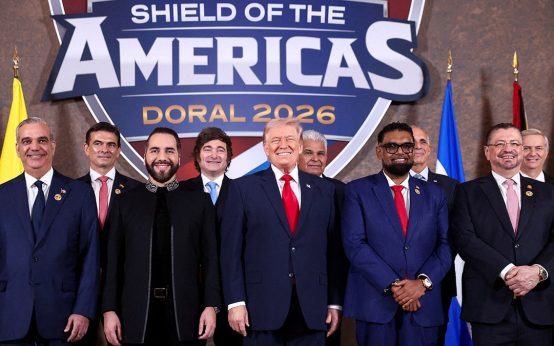 Bolivia Faces Security Test Amid Unrest
 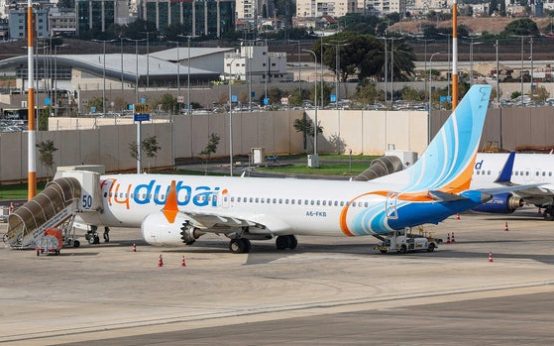 Incident on FlyDubai Flight Raises Security Concerns
 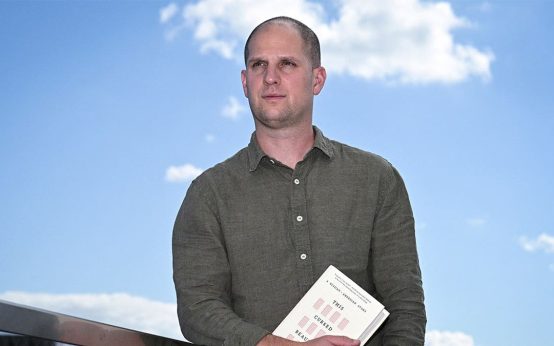 Journalist Gershkovich Discusses Wrongful Detention and Release in Russian Prisoner Swap
 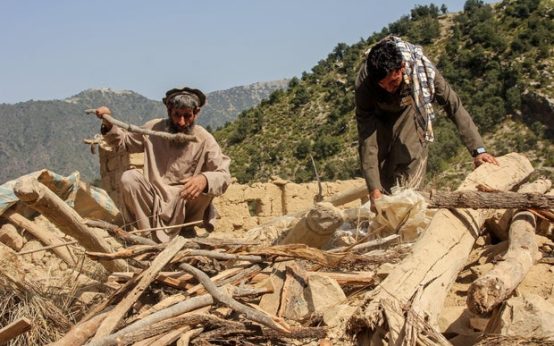 Pakistan Airstrikes in Afghanistan: Civilian Casualties Reported
 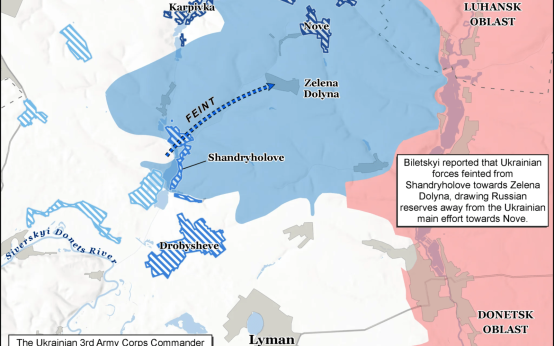 Ukraine Converts APCs to Explosive Devices in Donetsk Offensive
 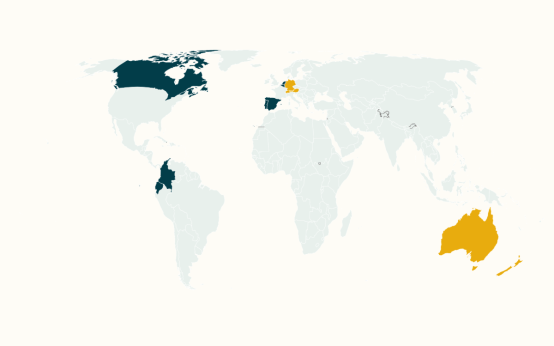 Dutch Review Board’s Euthanasia Ruling and International Debate