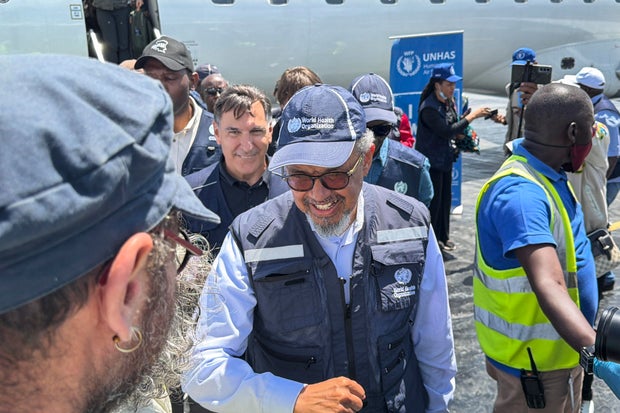
The head of the World Health Organization visited Bunia on Saturday, a city in eastern Congo, facing a rare Ebola outbreak. Despite newly organized health facilities and increased aid, the virus spreads faster than the response efforts.
Tedros Adhanom Ghebreyesus met health workers and families affected by Ebola in Bunia. He emphasized the importance of concentrating efforts at the disease’s epicenter and providing comprehensive support.
“The best way to address this is to provide all the necessary support to fight the disease at its epicenter and to continue offering every assistance needed,” said Tedros.
Recent figures show 906 suspected cases and 223 suspected deaths, with actual numbers potentially three to four times higher. Uganda confirmed nine cases and one death, according to its health ministry.
Current Ebola Strain Lacks Approved Treatment or Vaccine
The Bundibugyo virus, the current strain of Ebola, has no approved treatment or vaccine. Tedros acknowledged the challenging situation but expressed confidence in Congo’s ability to manage the outbreak, collaborating with the Prime Minister Judith Suminwa Tuluka.
The WHO upgraded its risk assessment to “very high” nationally, describing the outbreak as rapidly spreading. Medical aid from the EU is reaching Ituri, the outbreak’s center, with more shipments expected. The U.S. committed $80 million in aid, totaling over $112 million.
Response Efforts Struggle to Match Outbreak’s Pace
Hospitals in Bunia, such as Rwampara and General hospitals, show organized response efforts with increased staff and supplies. However, Doctors Without Borders warned that the response hasn’t caught up with one of the most rapidly spreading outbreaks recorded.
“Never before has an Ebola outbreak recorded so many cases so soon after its declaration,” said Dr. Alan Gonzalez of MSF, urging expanded testing and faster aid deployment.
Tensions among residents over burial protocols have led to three attacks on health centers. Responding to the outbreak is also impacted by the Allied Democratic Forces and ethnic militias in Ituri.
Illness reports extend to North Kivu and South Kivu provinces, where the Rwanda-backed M23 rebel group controls key cities.
Effectiveness of Border Closures Questioned
Uganda and Rwanda closed borders with Congo, but Tedros argued that such measures are ineffective at stopping the outbreak’s spread, encouraging transparency instead.
“Closing borders, as some countries have done, only discourages transparency. The Democratic Republic of Congo is reporting the situation openly,” he said.
U.S. Secretary of State Marco Rubio banned entry for those recently visiting Congo, Uganda, or South Sudan. Enhanced health screenings occur at major U.S. airports. CDC officials will assess symptomatic travelers.
A Kenyan judge temporarily halted a Trump administration attempt to establish an Ebola quarantine facility on a local air base.
 Understanding Inflammation: Myths and Facts
 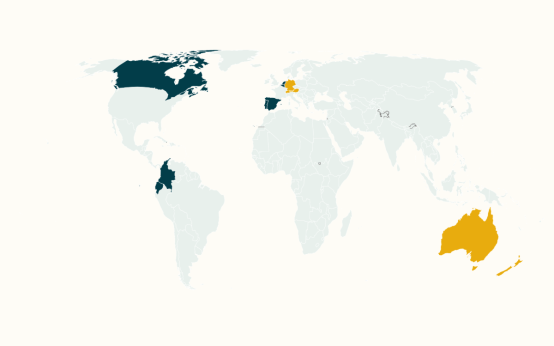 Dutch Review Board’s Euthanasia Ruling and International Debate
  Israeli PM Commends Heroic Actions in Flight Emergency
  Rabbi and Jewish Leaders Criticize Adam Brody for ‘Genocide’ Comment
  Flydubai’s Emergency Landing Highlights Cockpit Security
 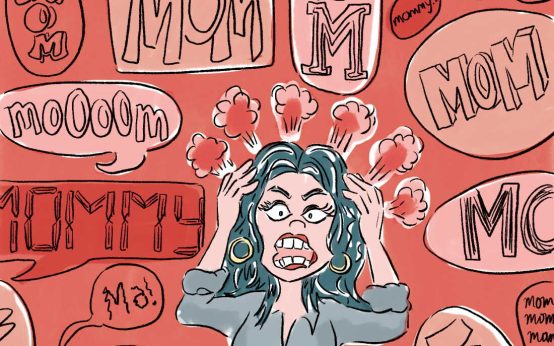 Calm Parenting: Strategies to Manage Stress