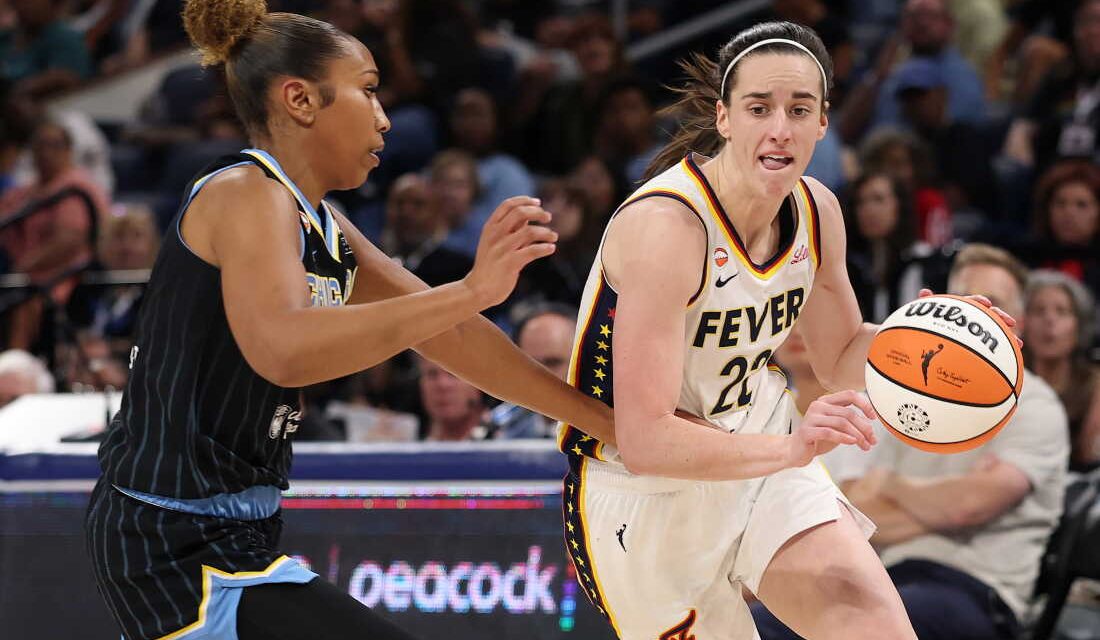
The Women’s National Basketball Association (WNBA) is experiencing significant changes. Viewership and attendance have increased, and the league recently secured a $3.1 billion media rights agreement. Journalist Sabreena Merchant from The Athletic reports that the league’s talent and play quality have reached new heights this year. With uncertain playoff outcomes, Merchant notes a climate of excitement for fans.
However, the league faces controversies beyond the court. Since late June, Fox News has aired numerous segments about the WNBA, often focusing on race and transgender athlete issues. Merchant suggests that the league is used as a political tool rather than for its on-court achievements. The management of the Chicago Sky has engaged national security experts to ensure player safety. Meanwhile, league commissioner Cathy Engelbert plans to step down by year-end. Merchant believes there is a desire for a commissioner who can better navigate the league’s narrative.
“There’s a lack of control over the WNBA’s narrative, not solely the commissioner’s fault,” Merchant says, “but a commissioner who can manage the league’s story amid cultural debates is sought.”
Physicality and Misogyny
Merchant believes misogyny plays a role in criticisms regarding physicality in the WNBA. Some view the need to protect women as a reason to oppose physical demands in sports. This perspective dismisses women’s ability to participate in professional sports, something the WNBA has confronted.
Caitlin Clark and League Dynamics
Indiana Fever’s Caitlin Clark has significantly boosted the league’s popularity. Her involvement contributes to record viewership and attendance, raising discussions regarding preferential treatment. Merchant notes that while NBA Commissioner Adam Silver has voiced concerns about Clark’s treatment, WNBA Commissioner Engelbert hasn’t publicly commented. Players sense unequal access, with some perceived to receive better opportunities.
The perception persists that Black players defend Clark differently due to the attention she attracts. Merchant counters that data shows Clark draws more fouls than other guards, suggesting her playing style and presence on the court influence her experiences, a common misconception based on online narratives.
Transgender Athletes and WNBA Policies
Sophie Cunningham of Indiana Fever drew attention for her views on transgender athletes. An ESPN profile shed light on her opinion that trans women should not participate in women’s sports. While her comments sparked debate, the WNBA lacks clear policies on the issue. Historically, discussions on transgender athletes in the league remain theoretical, as no transgender players have competed (though there have been non-binary players).
Officiating and Salary Issues
Officiating quality in the WNBA trails behind the league’s high-level play. This sentiment is shared by players across demographics. Referees often juggle responsibilities with collegiate basketball, creating inconsistencies.
Historically, WNBA athletes have supplemented incomes by playing overseas. Prior to the new collective bargaining agreement (CBA) of 2026, players frequently earned more overseas. New terms raised the average salary to $600,000, with potential for increases tied to league revenue growth. This marks a shift from past years when athletes chose rest and lucrative offers abroad over WNBA commitments.
Monique Nazareth and Susan Nyakundi produced and edited this interview for broadcast. Adaptations by Bridget Bentz, Molly Seavy-Nesper, and Beth Novey for web publication.
 Stephen A. Smith Discusses Houston Texans’ Critical Matchup Against Dallas Cowboys
 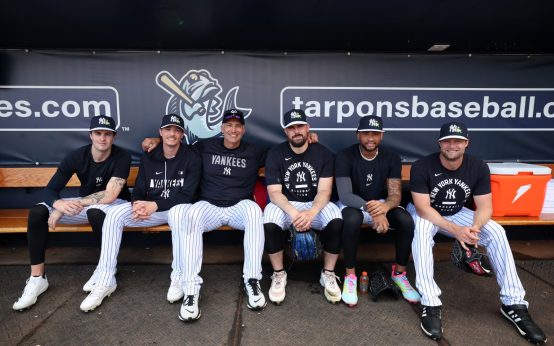 CC Sabathia Anticipates Yankees’ Game 1 Pitcher for ALDS After Beating Red Sox
 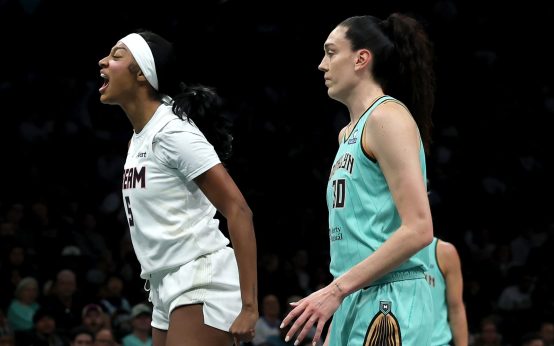 Atlanta Dream Progress to WNBA Semifinals
 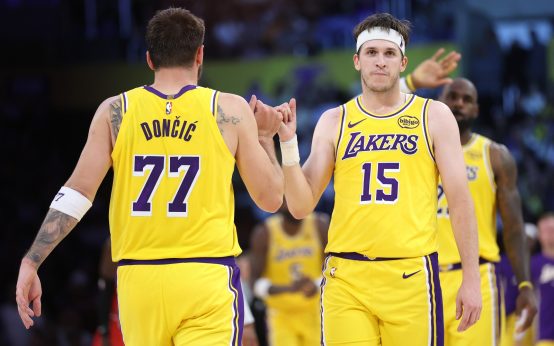 Los Angeles Lakers Focus on Defense in Luka Doncic Era
 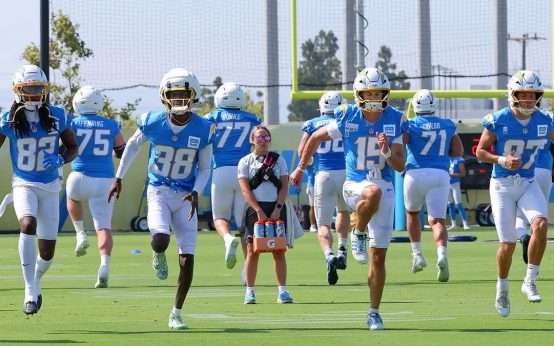 Los Angeles Chargers Face Criticism Amid Team’s Poor Start
  White Sox’s Pope Hat Promotion Shines Amid Playoff Push