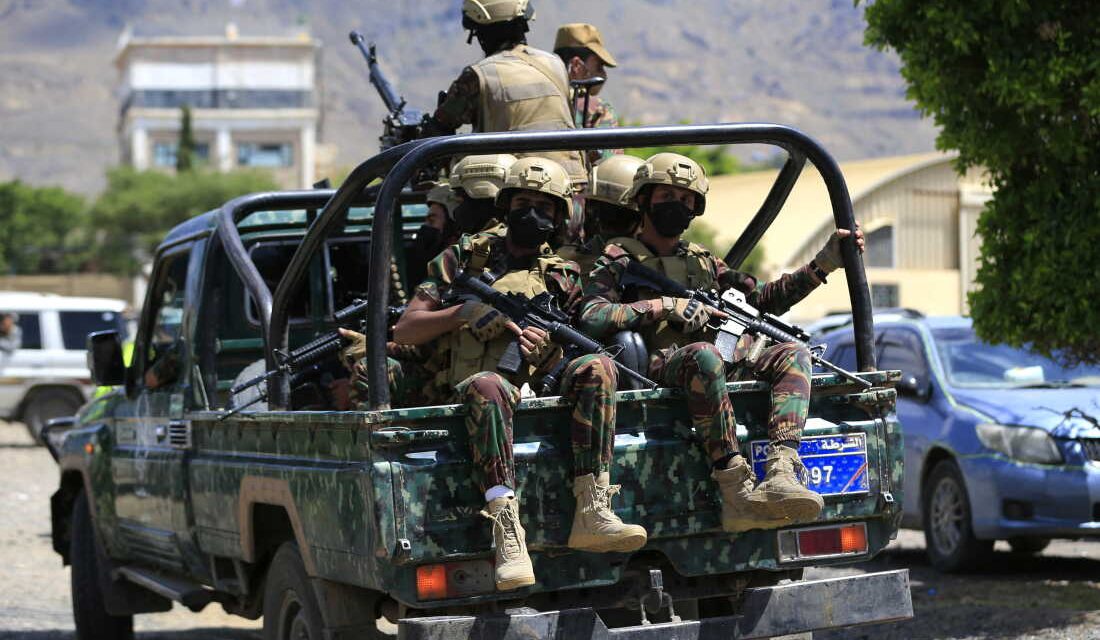
Yemen’s Houthi armed forces recently patrolled the capital Sanaa as prisoners loyal to the Houthi authorities returned on September 12. They were released after being held by Yemen’s Saudi-backed government forces on the west coast. This event follows a significant development earlier in the month, when Houthi fighters advanced into Mokha, a key port city. Subsequently, Saudi-backed Yemeni government forces abandoned their armored vehicles, leading thousands of families to flee swiftly.
Approximately 125,000 people were displaced rapidly, according to the U.N. World Food Programme. Most healthcare facilities in Mokha shut down, but Mokha’s General Hospital continued operations, treating urgent cases such as pregnant women, children needing immediate care, and patients requiring medical attention. Sarah Ahmed, a health promotion supervisor with Doctors Without Borders, reports that the hospital’s staff focus on essential services only, including neonatal care.
Yemen, already poor due to years of civil war, has suffered from widespread hunger, affecting half of its population, around 22 million people, who need humanitarian aid. The recent escalation broke a longstanding truce and renewed conflict amidst funding shortages. The World Health Organization warns it can no longer transfer patients from Mokha to safer areas like Aden, as access routes have become dangerous.
“The needs of people will increase as displacement continues,” aid groups caution.
The Houthis have accused the Saudi Air Force of conducting hundreds of airstrikes across western Yemen since their territorial gains on September 10-11, including in Mokha. The U.N. confirms civilian casualties and numerous injuries from these strikes. Houthi forces claim control over 5,400 square kilometers of land, including strategic areas like the Bab el-Mandeb strait. These gains enable them to exert more control over vital waterways and pose ongoing threats to Saudi oil tankers.
Saudi Arabia reports that the Houthis targeted Riyadh with missiles recently—the first such incident in years. Additionally, Houthis claim responsibility for downing a Saudi F-15 fighter jet, though Saudi officials have not commented on this attack. Tensions rise as Iran-backed militias in Iraq are accused of drone strikes against a Saudi oil pipeline used to transport crude.
The conflict has impacted global oil prices, pushing Brent crude past $100 per barrel and raising diesel prices in the U.S. Amidst these confrontations, Houthi leader Abdul-Malik al-Houthi appeals to civilians in Western Yemen, insisting that military targets are the priority, not ordinary citizens.
Efforts to support displaced persons have been ongoing in Taiz, a region facing some of the fiercest clashes. The U.N. Population Fund highlights the plight of pregnant women forced to flee under dire circumstances. Aid groups like the Norwegian Refugee Council are establishing emergency camps, providing basic necessities to the affected population.
However, resources are inadequate. The U.N. notes only 20% of its funding needs for Yemen have been fulfilled this year. More contributions are necessary to support newly displaced citizens. As the situation worsens, some people are crossing the sea to Djibouti, escaping the hostilities altogether. These evacuees are primarily women and children, as detailed by the UNHCR.
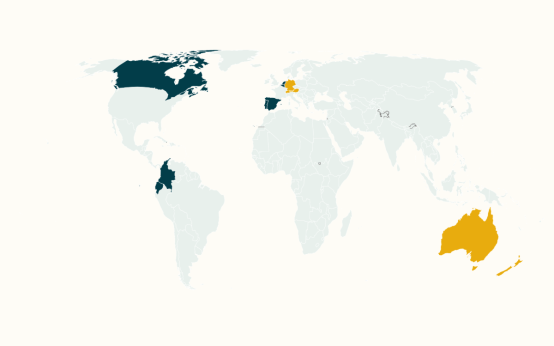 Dutch Review Board’s Euthanasia Ruling and International Debate
  Israeli PM Commends Heroic Actions in Flight Emergency
  Rabbi and Jewish Leaders Criticize Adam Brody for ‘Genocide’ Comment
  Flydubai’s Emergency Landing Highlights Cockpit Security
  Former Israeli PM Naftali Bennett Commends Passengers and Crew for In-Flight Heroism
 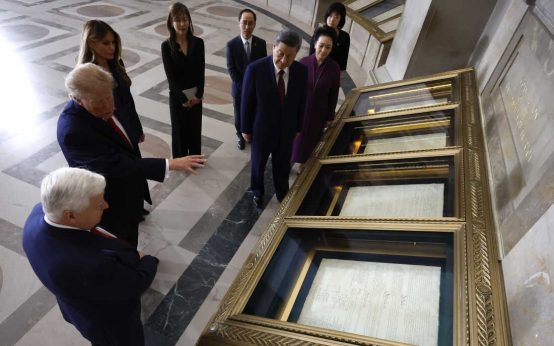 Diplomatic Complexities Unfold at U.S. National Archives Visit