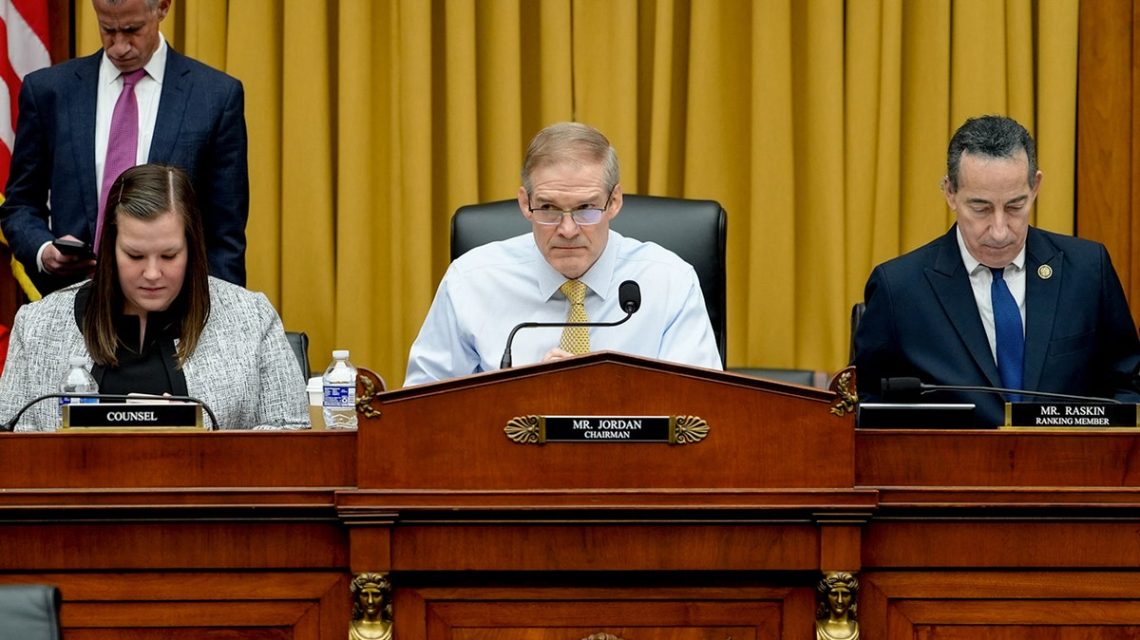
The Department of Justice is investigating the NFL’s exclusive streaming agreements amidst fans’ increasing dissatisfaction over fragmented and costly access to games. FCC Chairman Brendan Carr has questioned whether the league should retain its special antitrust exemption, which was initially provided by the 1961 Sports Broadcasting Act.
Fox News contributor Jonathan Turley has urged Congress to scrutinize the NFL’s monopoly structure, citing its $25 billion annual revenue and the rising costs for fans.
A detailed report issued by the House Judiciary Committee and Chairman Jim Jordan criticizes the NFL. It claims that the league has ignored the specific guidelines of the 1961 Sports Broadcasting Act, using its antitrust exemption to evolve into a highly profitable empire while limiting consumer options and inflating the costs of game viewings.
According to the report, Congress established the Sports Broadcasting Act (SBA) to ensure games remained widely available on free television and assist a struggling league in surviving. However, lawmakers argue that since 1961, the antitrust exemption, designed to support the NFL, has allowed it to become one of the most influential sports media entities globally, pushing the limits of the exemption.
The report closely examines the league’s Sunday Ticket package. It references evidence from the ongoing Sunday Ticket antitrust trial, including a 2024 jury verdict that concluded the NFL broke antitrust laws. This verdict led to over $4.796 billion in damages for the plaintiffs but was later vacated by a judge.
The investigation shows most Sunday Ticket subscribers are not avid fans seeking every game. Instead, they are fans striving to watch a specific out-of-market team. Internal data suggests that the NFL resisted proposals for more affordable options, like ESPN’s $70 per season Sunday Ticket package, and a team-specific purchase option. These decisions restricted consumer choice and confined fans to more expensive bundles.
The House Committee and Subcommittee have been evaluating the NFL’s dealings with broadcast, cable, and streaming channels to see how they fit within the SBA’s limited antitrust exemption.
The findings suggest that the NFL’s Sunday Ticket primarily caters to fans of a particular team rather than general NFL enthusiasts. Despite the NFL’s claims, internal data shows that many Sunday Ticket buyers are unable to access their preferred team’s games otherwise.
Litigation and the Committee’s oversight indicate that the NFL’s whole television rights framework relies heavily on an overstretched antitrust exemption. The report also debunks the NFL’s statement that 87% of its games are accessible on free broadcast television, as considerably less than half of the games are available, depending on the week and location.
The Committee implies the NFL might face ongoing legislative scrutiny and pressure to adjust its media model. The league could be forced to adapt before courts or Congress implement changes.
If the current antitrust exemption is revoked or limited, the NFL might have to allow individual teams to independently sell their TV rights. This shift could dismantle the league’s revenue-sharing model, potentially disrupting the competitive parity among teams.
 Washington Mystics’ Record-Breaking Season
  Addressing Accusations and the Challenges in the WNBA
  Golden State Valkyries Achieve Historic Success in Second WNBA Season
  Danny Moscoso’s Game-Winning Kick Against West Aurora
  Mason Auslander’s Journey to Varsity Success
 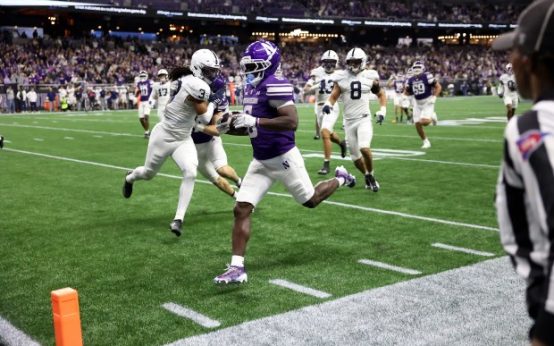 Northwestern’s New Ryan Field Opens with a Stunning Victory