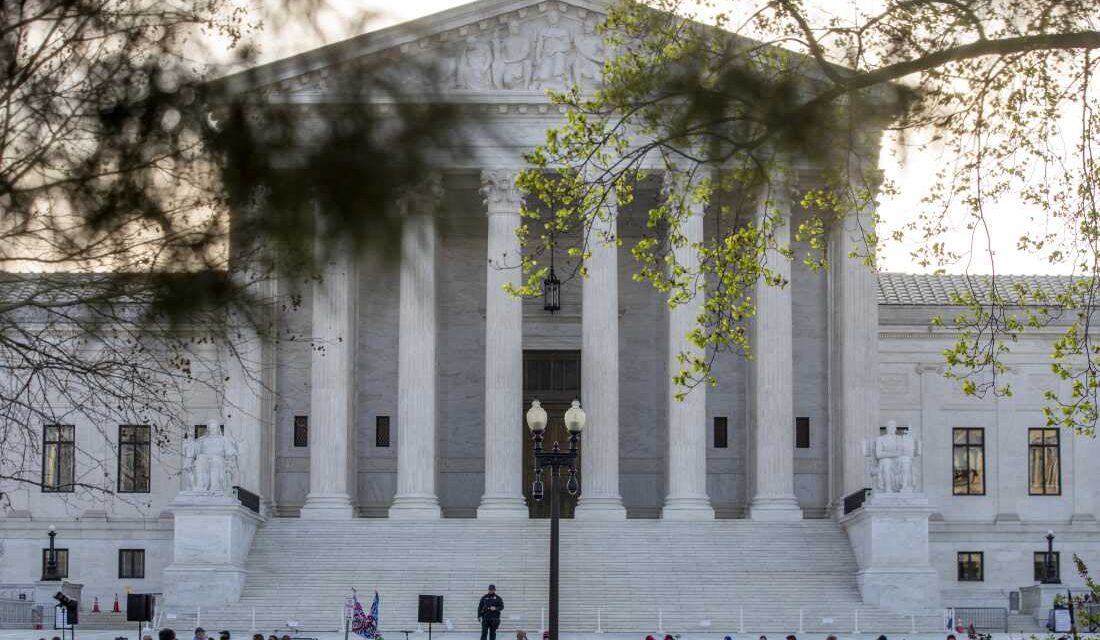
The Supreme Court in Washington, D.C., is entering a decisive period as justices work to finalize decisions and dissents for pending cases. Out of 58 argued cases, 23 remain unresolved. Two significant cases have been decided: one substantially weakened the 1965 Voting Rights Act, leading to congressional map redrawing in Southern states. The other nullified Trump’s tariff program, as the court found Congress had not sanctioned it.
As the term’s end approaches, many challenging and contentious cases are yet to be determined. The court will soon release decisions, with the next expected on June 11.
Birthright Citizenship: Trump v. Barbara
Trump’s stance is that the Constitution does not assure birthright citizenship for those born in the U.S. He signed an executive order to exclude such citizenship for children born to parents illegally in the U.S. or legally with temporary visas. Lower courts ruled this order unconstitutional. The 14th Amendment’s language, “All persons born or naturalized in the United States and subject to the jurisdiction thereof, are citizens of the United States,” is the basis of the dispute. Trump argues this applies solely to descendants of former slaves.
Transgender Athlete Bans: Little v. Hecox and West Virginia v. B.P.J.
These cases assess laws that block trans girls and women from participating in school sports. The controversy surrounds whether these laws, enacted in several states, breach federal law and the Constitution’s equal protection guarantee. Supporters of the laws argue they ensure athletic fairness based on biological sex. Opponents argue they discriminate on the basis of sex.
Presidential Powers on Agency Leadership: Trump v. Slaughter
This case examines whether presidents can dismiss heads of independent agencies at will. Historically, such dismissals required cause. The outcome of this case might allow Trump and future presidents to remove agency leaders without cause, affecting agency independence.
Federal Reserve Board: Trump v. Cook
The case discusses Trump’s attempt to dismiss Lisa Cook, a Federal Reserve Board member. The court’s decision will determine if the Fed has special protections or if board members are as vulnerable to dismissal as other agency officials.
Mail-in Ballots: Watson v. Republican National Committee
The court will decide on the legality of counting ballots arriving after Election Day. Mississippi supports this practice, while the Trump administration argues for stricter adherence to Election Day deadlines. The outcome affects how states can manage elections.
Temporary Protected Status: Mullin v. Doe and Trump v. Miot
The Temporary Protected Status (TPS) program, enacted in 1990, allows eligible migrants to live in the U.S. due to unsafe conditions in their home countries. Trump’s administration aims to end TPS for numerous countries. This case could lead to significant deportations if the court sides with Trump, who argues TPS is solely presidential jurisdiction.
Geofencing and Privacy: Chatrie v. US
Geofencing involves setting geographic perimeters for surveillance. This case questions the constitutionality of warrants that request tech companies to provide location data. The government’s stance is that users consent to data sharing with tech providers. In contrast, challengers argue this invades privacy, subjecting innocent individuals to unwarranted searches.
Gun Rights: Wolford v. Lopez and US v. Hemani
Two gun-related cases are under review. One examines if requiring gun owners to seek permission before bringing firearms to private property infringes on Second Amendment rights. The other questions a federal law that criminalizes drug users’ gun possession. With recent rulings complicating gun regulation, these cases may clarify constitutional guidelines.
 Sen. Cotton Opposes Permanent Daylight Saving Time
 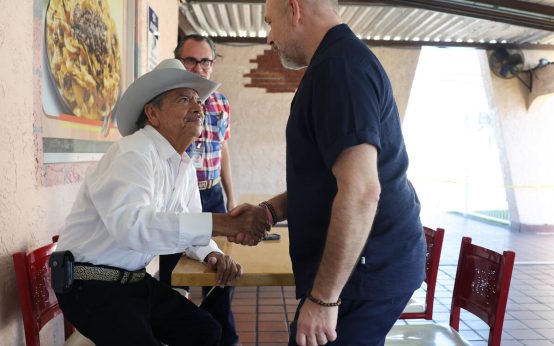 Steve Hilton’s Latino Outreach and Gubernatorial Ambitions
 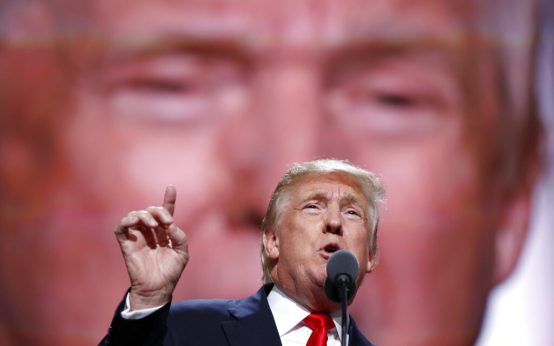 The Need for Reform in Presidential Nominations
 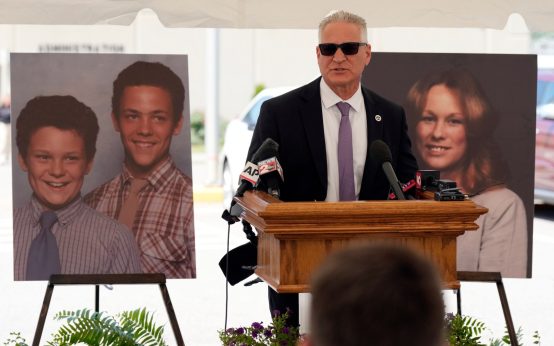 Tennessee Faces Scrutiny After Failed Execution of Christa Pike
  Controversy Surrounds Performances at Gillette Stadium
  Celebrity Controversies Over Political Activism and Speech