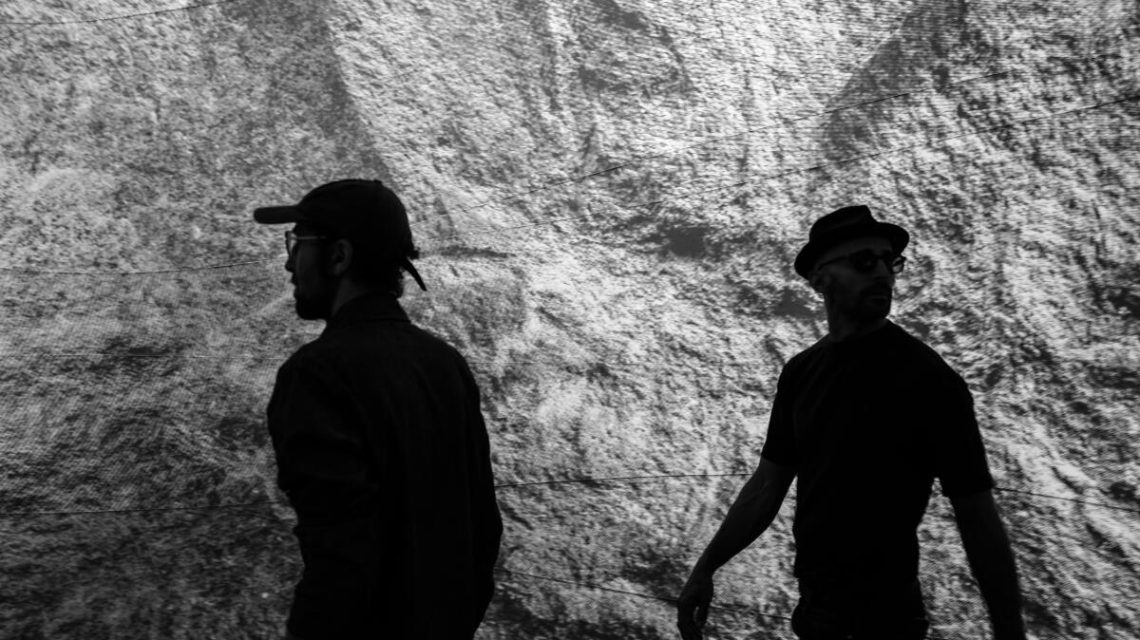
The vision of the French medieval poet, François Villon, questioning the snows of yesteryear, finds its modern-day answer in Paris. High summer sees a striking art installation on the Pont Neuf, Paris’ oldest bridge. This trompe l’oeil inflatable snow-clad mountain range stands prominently over the river Seine.
Paris-born street artist JR has crafted ‘La Caverne du Pont Neuf’ using about 200,000 square feet of printed fabric. He pays tribute to the works of renowned environmental artists Christo and Jeanne-Claude, who famously wrapped this same bridge’s arches in fabric in 1985. Their projects spanned globally, from wrapping islands in Florida’s Biscayne Bay to creating fabric gates in New York’s Central Park.
“An ephemeral artwork forces you to come now, and usually to come with other people. The visit becomes a shared moment … and this moment becomes a memory.” – JR
This temporary installation nearly fell victim to Paris’ unpredictable weather. A hailstorm in May, June’s heat wave, and fierce winds delayed its opening. Eventually, air pumps inflated the artwork, revealing a majestic limestone-colored creation, open continuously until June 28.
Experiencing the Installation
The installation captivates from two perspectives: from afar, visible across central Paris, and from within. Pedestrians crossing the bridge experience a cavernous interior designed for 3D realism, complete with scents evoking ancient human dwellings.
JR explains the dual nature of his work: the silhouette seen by passersby and the intimate interior journey, providing a contrast from darkness to light. The challenges overcome in realizing this project were fewer compared to Christo and Jeanne-Claude’s time, thanks to a changing attitude toward public art.
The Role of Technology in Art
Bringing this vision to life requires complex technology, which JR sees as integral to the art rather than a hindrance. He emphasizes the importance of not letting technology overshadow the artwork, with augmented reality enhancing instead of distracting. The project’s resilience was tested during a storm, necessitating public adjustments to the canvas.
The installation’s reliance on air echoes Paris’ own history, where the first free flight of humans occurred in a hot-air balloon in 1783. This pattern of ephemeral and captivating experiences continues to charm audiences today.
Trompe l’oeil remains a beloved technique, transforming perceptions with illusions of reality. JR’s use of this technique has previously made iconic locations like the Louvre Pyramid seemingly vanish. He relishes the playful gap between knowing and believing, which engages audiences with this art form.
 Historical Events in Chicago on October 3
  Martina Navratilova’s Enduring Influence in Tennis and Beyond
  World Porridge Making Championship: A Unique Scottish Tradition
  Readers React to Miss Manners Column
  Troy Swanson: Award-Winning Librarian Transforming Academic Libraries
  Lisdoonvarna Matchmaking Festival: A Unique Tradition