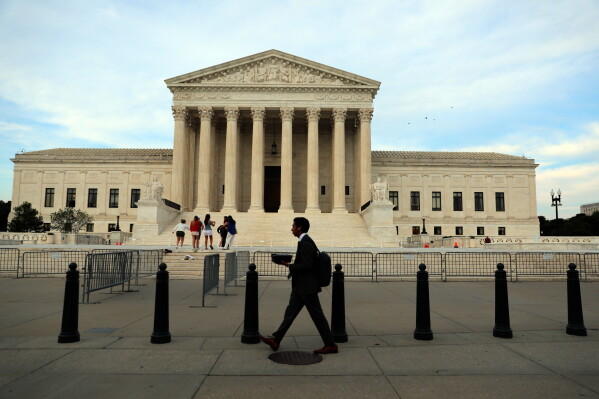
The Trump administration has been clear in its stance on birthright citizenship. This policy, which grants automatic citizenship to nearly everyone born on U.S. soil, is under scrutiny as it approaches Supreme Court judgment. President Donald Trump has labeled it a ‘disgrace.’ Stephen Miller, a top White House advisor, described it as ‘the gravest and most preposterous of all constitutional abominations.’ Vice President JD Vance, in 2025, called it ‘the dumbest immigration policy in the world.’
Trump has frequently claimed in interviews that the U.S. is the only country with birthright citizenship. This is untrue. The Supreme Court will soon decide on a Trump executive order challenging over a century of legal precedent.
The Origins of Birthright Citizenship
In 1868, the 14th Amendment established birthright citizenship, partly to ensure former slaves’ citizenship after the Civil War. The case of Wong Kim Ark in the late 1800s expanded this, affirming citizenship for children of immigrants born in the U.S. Subsequent Supreme Court rulings confirmed that anyone born in the U.S. is a citizen, regardless of their parents’ immigration status, with few exceptions for children of foreign diplomats.
Until recent years, birthright citizenship was widely accepted in U.S. law, and there was little controversy surrounding it. Even prominent Republicans like President Ronald Reagan celebrated immigration, emphasizing contributions from new citizens.
Trump’s View on Birthright Citizenship
Donald Trump sees birthright citizenship as a ‘magnet for illegal immigration.’ His administration highlights ‘birth tourism’ networks that facilitate non-U.S. citizens’ travel to the U.S. specifically to give birth. In legal challenges, Trump administration lawyers emphasize the phrase ‘subject to the jurisdiction thereof’ in the 14th Amendment. They argue it allows the U.S. to deny citizenship to children of illegal immigrants, though some conservative justices have questioned this interpretation.
Global Practices of Birthright Citizenship
Trump’s claim that the U.S. is the sole country with birthright citizenship is incorrect. While it is not globally common, several nations offer unrestricted birthright citizenship. Many are in the Americas, such as Canada, Mexico, and several Central and South American countries. Other nations, like Germany and Australia, use a combination of criteria, including birth location, parenthood, residency, and ethnicity, to determine citizenship.
 The Trump Team’s Challenge to the Military Leadership
  Maryland First State to Restrict Electronic Pricing in Grocery Stores
  Activists Push for Nationwide Ban on Child Marriage in the U.S.
  Democratic Hopes and Historical Warnings in 2026 Senate Race
  Republicans Face Challenges Amidst Cost of Living Concerns
  A Different Kind of Fall for Congress This Year