
For several weeks, Israelis have expressed concerns about the ongoing and unpredictable conflict with Iran. While the United States and Iran alternate between negotiations and military actions in the Persian Gulf, Israel remains in a state of uncertainty, hesitant to engage fully.
Many Israeli citizens worry about potential disruptions. Traveling abroad poses a risk of getting stranded if hostilities resume, while staying at home might mean returning to bomb shelters. The Israeli military, already active in Lebanon and Gaza, finds it challenging to make concrete plans due to this uncertainty. Polls indicate that Israelis feel less secure now compared to the period before the U.S.-Israeli operation against Iran in February.
Despite these fears, some Israelis perceive this situation as preferable to a failed agreement that does not adequately address the threats Iran poses to their nation. The divergence between Israel’s objectives and those of the Trump administration complicates matters further. President Trump has prioritized reopening the Strait of Hormuz for commercial traffic without Iranian interference. His strategy involves pressuring Iran back into negotiations, rather than escalating military actions.
From Israel’s perspective, a U.S.-Iran agreement raises concerns, especially given the details and omissions in the June memorandum of understanding between the two nations. This memorandum has become a source of anxiety for Israel.
The complexity of the situation is highlighted by past interactions between leaders. Prime Minister Benjamin Netanyahu met with President Trump in Mar-a-Lago, Florida, last December, showcasing the ongoing diplomatic dialogues.
 The Threat of Melting Glaciers: A Call to Action
  Police Discover Ancient Roman Artifacts Off Sardinian Coast
  Urgent Need for Action in East Africa’s Food Crisis
  Suspected Plague Death in Siberia Sparks Health Measures
 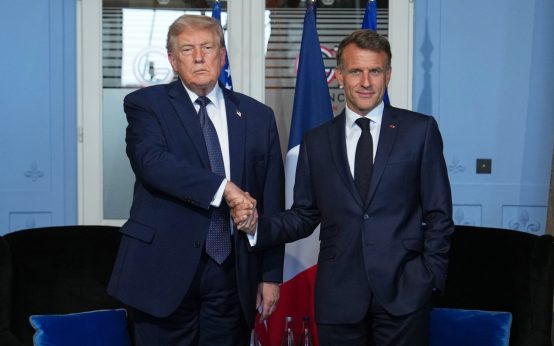 G7 Nations Agree to Release 100 Million Barrels of Oil Amid Fuel Price Surge
  Co-Pilot Attempts Hijack on Flight to Tel Aviv