
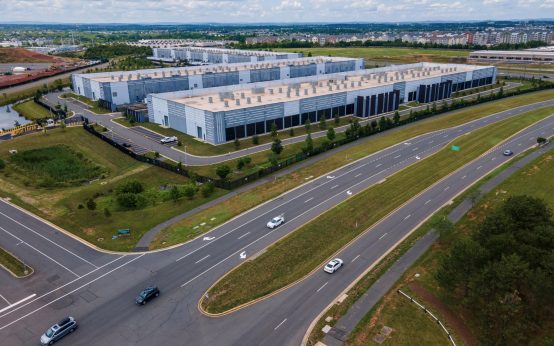
The U.S. faces a rapid expansion in data center construction, driven by the country’s AI industry growth. According to Pew Research Center, over 3,000 data centers operate nationwide, with an additional 1,500 under development.
Traditionally, courts have given utilities the right to use eminent domain to seize private property for building essential infrastructure, like transmission lines. However, questions arise when the electricity primarily serves a single data center rather than general public uses.
Utilities often need to construct new transmission lines to support these power-intensive facilities. These lines often cross private lands, requiring legal allowances typically justified by the greater public good. With data centers showing rapid growth, the potential conflict between private property rights and infrastructure expansion needs legal clarity.
As the data center industry evolves, courts must revisit and reconsider these eminent domain policies, balancing technological progress with individual property rights.
 President Trump Unveils New Super Intelligence Force
  Challenges in Managing Advanced AI Models
  The Risky Foundations of AI’s Economic Impact
  Meta’s Muse AI Assistant Sparks Cybersecurity Concerns
  Keurig Dr Pepper Launches Compostable Coffee Pods to Reduce Waste
  Minneapolis Council Member Faces Criticism Over Autonomous Vehicle Concerns