
The United States conducted airstrikes early Monday, targeting Iran after another American service member’s death. Iran retaliated by targeting Bahrain and Kuwait, escalating tensions further.
The conflict has inched both nations closer to war. Last month’s interim deal, which aimed to end the fighting permanently, is faltering. Shipping in the Strait of Hormuz has significantly slowed. Civilian infrastructure on both sides has been targeted, affecting millions, while Brent crude oil prices soared above $90 a barrel on Monday, worsening the global energy crisis.
The U.S. military reported that the service member died in Iraq on Saturday during the destruction of a downed Iranian drone. President Donald Trump stated, “We hit them very hard again tonight,” honoring the soldiers killed.
Ongoing U.S. Strikes in Iran
The U.S. Central Command announced the ninth consecutive night of strikes on Monday. These attacks focused on Iranian military command centers, air defense sites, maritime capabilities, missile and drone launch sites, and communication networks. There was no immediate report from Iran on casualties or damage, though explosions were reported in southern and northwestern regions.
A ship caught fire early Monday in the Strait of Hormuz, near Oman’s coastline, as the strikes commenced. The cause of the blaze remains unknown, but Iran’s Revolutionary Guard claimed responsibility for targeting tankers in the strait.
Bahrain and Kuwait on Alert
Iran retaliated against U.S.-allied countries in the Middle East. Bahrain activated missile alerts, and Kuwait’s air defense responded to an incoming barrage.
Strait of Hormuz’s Strategic Importance
President Trump has expressed intentions to target Iran’s power infrastructure to weaken its control over the Strait of Hormuz, a critical passage for global oil trade. Recent actions suggest this strategy is underway.
The U.S. reinstated a naval blockade on Iranian ports, aiming to stop crude oil shipments. Six ships have been redirected, and another disabled since the blockade began.
Potential for Diplomacy
The U.S. Secretary of State, Marco Rubio, remains open to negotiating with Iran but emphasized the necessity of sincerity in talks. He highlighted the potential for positive developments if Iranian leadership shifts to a more cooperative stance.
Iranian officials reported over 50 fatalities and over 500 injuries following recent U.S. strikes, with 17 American service member deaths since the conflict began on February 28.
Associated Press writer Michelle L. Price contributed to this report.
 Urgent Need for Action in East Africa’s Food Crisis
  Suspected Plague Death in Siberia Sparks Health Measures
 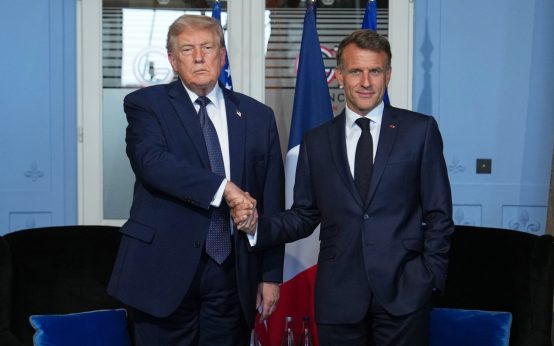 G7 Nations Agree to Release 100 Million Barrels of Oil Amid Fuel Price Surge
  Co-Pilot Attempts Hijack on Flight to Tel Aviv
 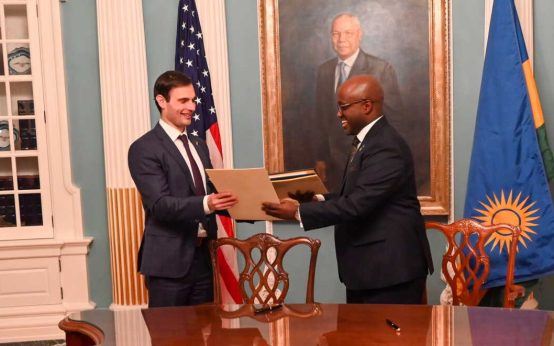 U.S. Revises Global Health Aid with New Strategy
 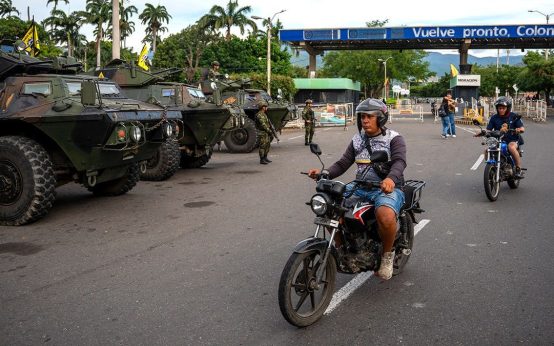 U.S. Warns Against Travel to Colombia’s Norte de Santander Due to Security Threats