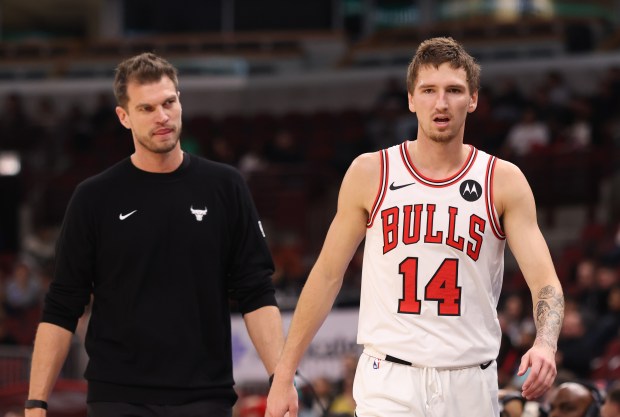
Throughout the summer, Tiago Splitter’s strategy for the Chicago Bulls was largely theoretical. However, with training camp and several preseason games now complete, the way the Bulls will operate under their new coach is becoming clear. Splitter’s approach isn’t groundbreaking, but it is grounded in simplicity and effectiveness. This strategy particularly supports young players like Caleb Wilson as they transition to the fast pace and complexity of the NBA.
Emphasizing Offensive Rebounding
Last season, the Bulls were ranked 23rd in the league for offensive rebounding, averaging 10.4 per game. In contrast, Splitter’s former team, the Portland Trail Blazers, ranked second with an average of 14.1 per game and led in second-chance scoring with 18.5 points per game. Splitter aims to integrate this focus on rebounding into the Bulls’ gameplay.
“It’s something that we weren’t really used to,” guard Tre Jones stated. “We’re trying to get everyone on the same page, crashing the boards consistently.”
With centers Nic Claxton, Zach Collins, and Tobe Awaka absent in preseason, this tactic saw limited application. Awaka, known for his offensive rebounding prowess, is anticipated to return for the regular season opener. Offensive rebounds won’t be the responsibility of big men alone; guards, including Jones, will also engage in the action. This may open the Bulls up to fast break counterattacks, but the team believes the benefits outweigh the risks.
“Analytics back this approach too,” Jones remarked. “It allows us to steal more possessions and score more points.”
Defensive Pressure and Versatility
Defensive pressure is integral to Splitter’s strategy. Jones described the defensive approach as applying pressure high on the court to discomfort opponents. The Bulls previously struggled in this area due to a lack of rim protection. This should improve with Claxton’s presence. The team’s deep frontcourt and its players’ mobility enable a flexible defensive system, allowing players to switch roles as needed.
Younger players like Wilson face challenges in adapting to this defensive style. He noted difficulties with screen navigation due to size and is focusing on positioning and physicality to improve.
“Being in the right place on the court is my main challenge,” Wilson explained. “I’m working on that as a rookie.”
Adopting “Small Rules” for Gameplay
Splitter emphasizes “small rules” that dictate team conduct during plays, both offensively and defensively. These guidelines create a simple framework that Splitter believes will help young players like Wilson make decisions autonomously during games.
While the strategy offers structure, the offense remains flexible. Splitter prioritizes nurturing good habits over complex playbooks. His goal is a balance between structured plays and the improvisation of “random basketball.”
“It’s about playing within our small rules, running fast breaks, executing quick pick-and-rolls,” Splitter stated. “This allows for experimentation and adaptation.”
As the regular season progresses, Splitter expects his system to evolve, adapting to the team’s strengths and acknowledging its limitations as the players and coach grow together.
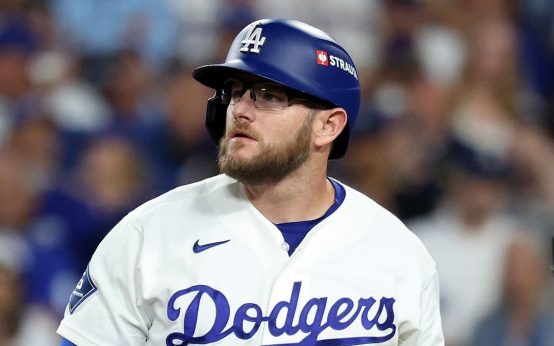 Dodgers Face 3-0 Deficit After Loss to Brewers
 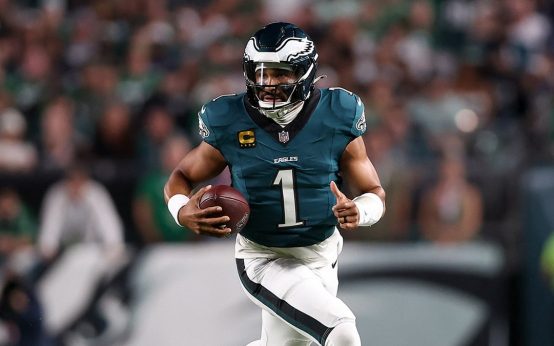 Philadelphia Eagles QB Jalen Hurts Out Due to Calf Blood Clot
 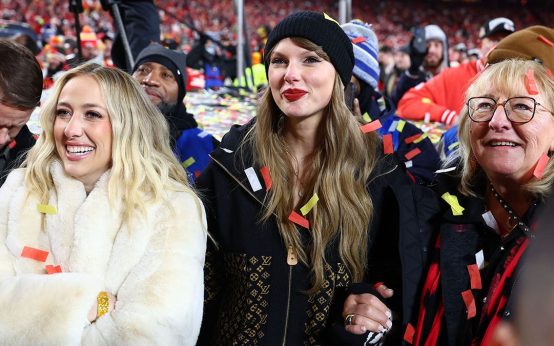 Taylor Swift’s Influence on NFL Broadcasts Amid Controversies
  Arkansas Razorbacks Face Challenging Schedule in Upcoming Basketball Season
  Independent Wrestler Dono Hefner Sets Sight on Promoting His Own Wrestling Show
  Sienna Bialek’s Dual Passion for Volleyball and Nursing