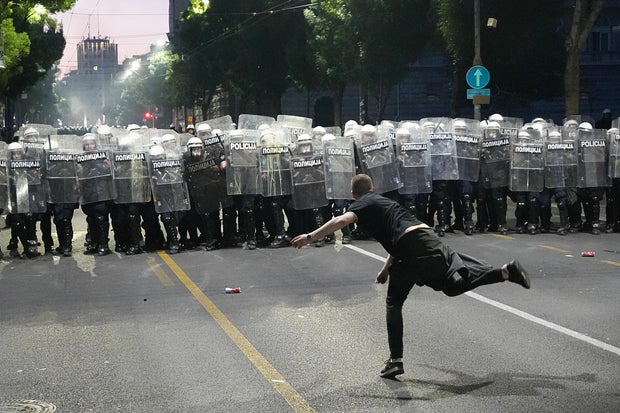
Clashes broke out between protesters and riot police following a significant anti-government demonstration in Serbia’s capital, Belgrade. Tens of thousands gathered to oppose President Aleksandar Vucic. While the rally itself remained peaceful, later confrontations involved demonstrators throwing rocks, flares, and bottles at police, who retaliated with pepper spray to disperse the crowd.
Young protesters pushed trash cans into the streets as riot police carrying shields attempted to encircle them. Anti-riot vehicles were strategically parked in central Belgrade to prevent protesters from reassembling, leading to the rapid cessation of violence.
Earlier on Saturday, central Belgrade saw large groups of protesters, many displaying banners and T-shirts with the motto “Students win,” symbolic of the youth-led movement. Vehicles from various Serbian towns converged on the city to join the demonstration against President Vucic’s governance.
Vucic has aimed to suppress mass demonstrations challenging his rule in Serbia. The large turnout on Saturday indicates ongoing resistance, a year after protests began following a tragedy at a train station that resulted in 16 deaths.
In a video posted on Instagram, President Vucic claimed the protestors showed violent tendencies and accused them of being unable to handle political opposition. Vucic made this statement from a plane headed to China, emphasizing that the state continues to function within legal parameters.
Previously, anti-corruption protests led to Prime Minister Milos Vucevic’s resignation in early 2025. Critics held the government responsible for negligence perceived to be due to corruption in renovations conducted with Chinese companies. On Saturday, students demanded early elections and adherence to the rule of law, accusing the government of criminal activities and corruption.
Bojana Savovic, a prosecutor, addressed the crowd, declaring, “A state where laws are not implemented or are applied selectively is no longer a state, it becomes a mafia organization.”
Ana Brnabic, the parliament speaker, minimized the student rally’s impact, saying it offered “nothing new.” She referenced a police report estimating 34,300 participants and stated, “democracy is flourishing.”
Clashes initially erupted near a park occupied by Vucic supporters. This camp had been established as a defensive measure against previous protests. Loud folk music played amidst the fenced-off area surrounded by riot police.
Serbia’s state railway suspended all train services to and from Belgrade on Saturday, possibly to deter protester participation from other regions.
International scrutiny over Vucic’s authoritative methods has increased. Arbitrary arrests and excessive force against demonstrators have been noted. Michael O’Flaherty, Council of Europe Commissioner for Human Rights, criticized the Serbian government’s actions and promised to monitor the situation closely. O’Flaherty highlighted reports of police protecting unidentified, often masked, assailants targeting journalists and protestors. He indicated a declining rights situation since his prior visit in April 2025.
Although Serbia aspires to join the European Union, its strong relations with Russia and China may jeopardize potential EU funding, estimated at €1.5 billion ($1.8 billion). Last month, an EU official warned that democratic decline under Vucic might affect this funding.
Saturday’s rally took place at Belgrade’s Slavija Square, a location known for a significant protest in March 2025. That earlier rally faced sudden disruption, allegedly due to the use of a sonic weapon—a claim the government denied.
The youth movement advocating for justice and the rule of law resonates with many Serbians disillusioned by a history of political turmoil. Students intend to challenge Vucic in upcoming elections, aiming to remove the right-wing populist government. The election could take place between September and November, according to Vucic.
Government officials and pro-government media label critics as foreign adversaries intent on destabilizing Serbia, fueling political division.
Protestor Maja Milas Markovic shared her perspective, “The students brought us together here with their youth and remarkable energy; I firmly believe in our right to live normally.”
 Maryland First State to Restrict Electronic Pricing in Grocery Stores
  British Police Arrest Man Suspected of Terror Plot
 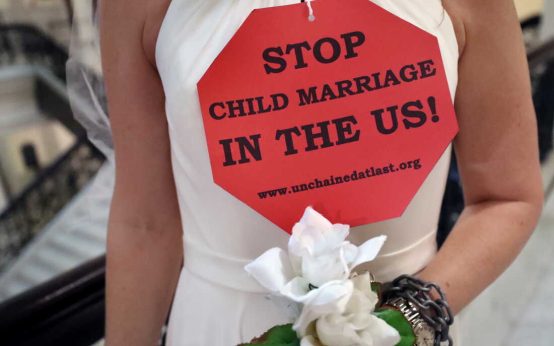 Activists Push for Nationwide Ban on Child Marriage in the U.S.
 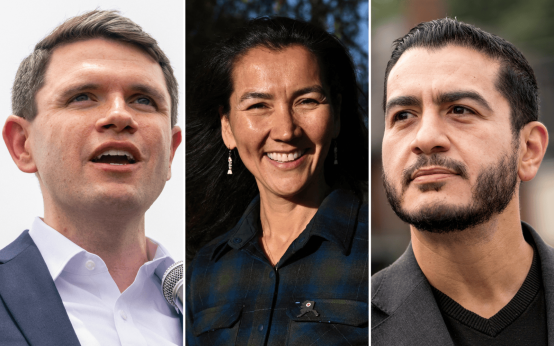 Democratic Hopes and Historical Warnings in 2026 Senate Race
  Republicans Face Challenges Amidst Cost of Living Concerns
 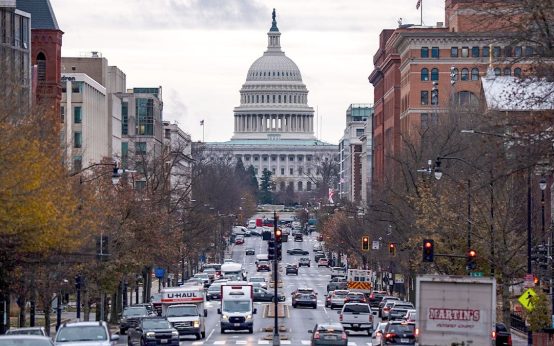 A Different Kind of Fall for Congress This Year