
Federal immigration raids in Chicago neighborhoods have deeply affected local businesses, especially in immigrant communities. Erick Camargo, owner of Epic Studio Barbers & Stylist in Belmont Cragin, witnessed his customer numbers fall dramatically during Operation Midway Blitz. He resorted to locking doors during business hours as a precaution, while other barbers began operating from their homes. The raids, intended to target criminal immigrants, led to a general fear among residents, resulting in decreased foot traffic as clients visited alone and in quick bursts to avoid potential confrontation.
Two individuals from the local community—a boy selling chocolates and a woman selling tamales—were detained during the operation, adding to the atmosphere of fear and uncertainty, as narrated by Camargo. Despite time passing, businesses still contend with reduced revenue, causing Illinois lawmakers to propose measures of support. One suggestion entails a $50 million grant program managed by the Illinois Department of Commerce and Economic Opportunity. The alternative is a loan program proposed by the House, catering to situations of ‘economic shock.’ Both would assist small businesses, capping eligibility based on employee count and annual revenue.
Although Camargo’s salon persisted due to personal savings, recovery is sluggish. Walk-ins remain below previous levels, indicating the lasting impact of Operation Midway Blitz. Bills continue unabated, and costs have risen. Sen. Mike Simmons, favoring the grant option, recognizes that businesses often lack the capital to undertake additional debt. He emphasizes that communities need tangible support to remain vibrant.
Yet, these proposals face challenges. Gov. JB Pritzker’s recent budget proposal doesn’t include substantial new spending, which complicates the path forward. Eliza Glezer, DCEO spokesperson, acknowledged the need for added funding in the fiscal year 2027 budget to accommodate such initiatives. While she affirmed the department’s openness to assisting small businesses, commitment remains tentative.
Illinois’s situation isn’t unique. Following similar raids in Los Angeles County, a study revealed substantial financial losses for affected businesses; Minneapolis saw an $81 million drop in revenue after another federal operation. Both places sought legislative remedies, including Minnesota’s $100 million loan initiative, although it languished in political stalemate.
Economic Cost and Community Impact
Operation Midway Blitz, spanning two months, led to 2,500 deportations and 3,800 detainments, the majority lacking criminal records. President Trump criticized Chicago during this time, attributing its sanctuary policies to dangers, adding tension to an already volatile situation. The immediate economic repercussions were apparent, transforming everyday routines into veritable nightmares.
Businesses like Carnitas Uruapan suffered significant losses. Founder Marcos Carbajal described adverse conditions that forced revenue to plummet and resulted in various protective measures. He recounted federal agents intimidatingly patrolling neighborhoods and streets. His restaurant doors remained locked, screening customers amidst ICE alerts. Despite efforts, sales have not fully rebounded.
Other businesses, including a nursery company, experienced parallel challenges, with declining jobs and customer count due to fear of immigration officers. Additional layers of security were implemented for business protection, painting a stark picture of enduring concern.
Hilda Alvarez Rodriguez from the Illinois Hispanic Chamber of Commerce notes the widespread effects across Chicago businesses were substantial and magnified by the end of the operations conflicting with broader economic trends. Temporary adjustments like reduced hours and staff cutbacks were common, as efforts surfaced to counter dropping foot traffic.
Andres Solarte, in charge of government affairs at the Chamber, anticipates clarity on financial losses as business tax filing data becomes accessible. The loan program aims to sustain businesses toward recovery, intending to shield against future shocks. Solarte underscores this support will be pivotal as many entrepreneurs seek stability.
‘They don’t need a handout,’ Solarte said. ‘They just need to be able to weather the storm.’
 Defense Secretary Emerges as Key Player in the Trump Administration
  Hegseth’s Vision for the Military: Balancing Tradition and Innovation
 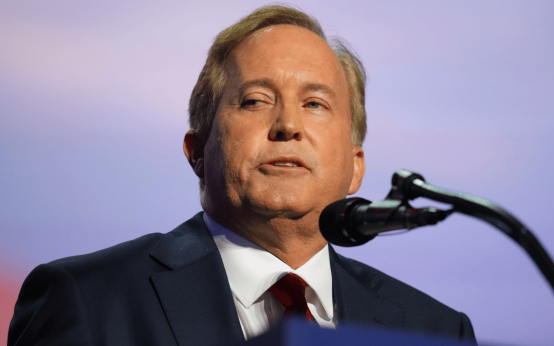 Significant Funding Boosts Ken Paxton’s Texas Senate Campaign Amid Tight Race
  U.S. States Extend Gas Tax Waivers Amid Rising Fuel Costs Due to Iran Conflict
  USCIS Raises Immigration Fees
 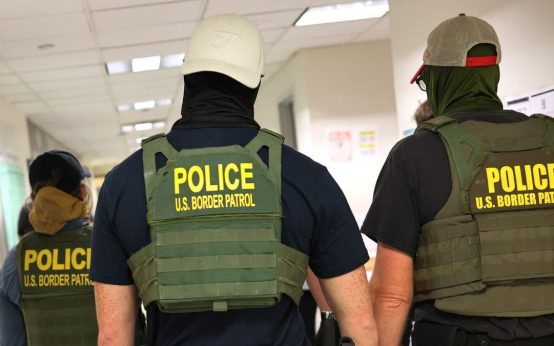 The Surveillance Threat to U.S. Federal Agents