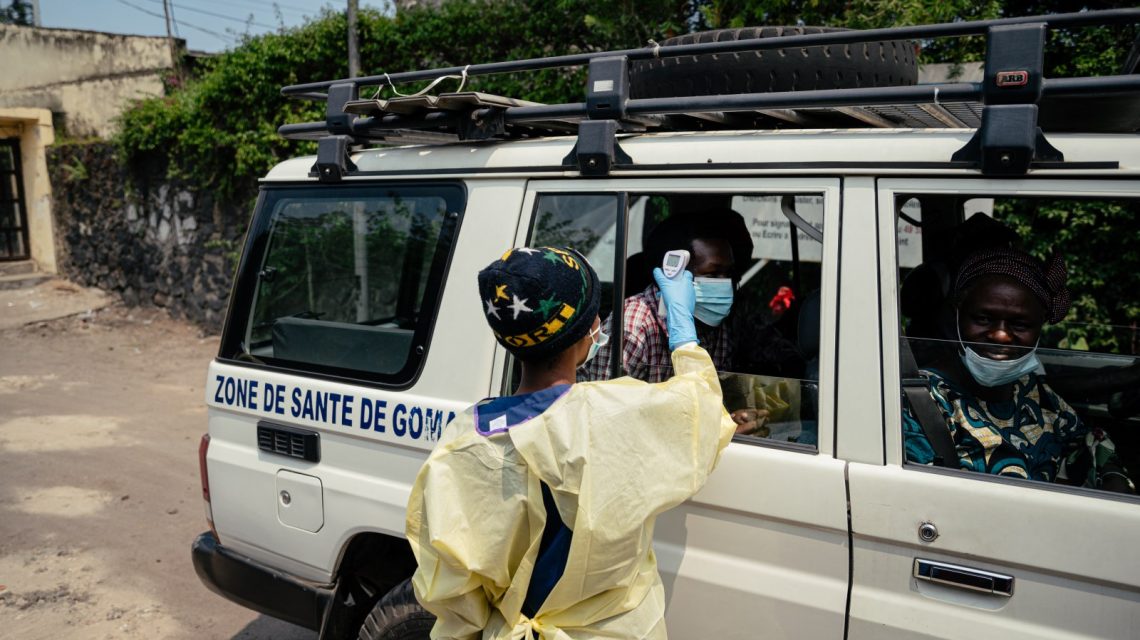
Ebola often seems like a distant crisis to many Americans. Yet, history reminds us that such outbreaks can quickly reach our shores. The 2014 West African Ebola epidemic resulted in over 11,000 deaths, affecting health systems in Guinea, Liberia, and Sierra Leone. The virus spread to several countries, including Italy, Nigeria, and the United States. In the U.S., cases in Texas and New York highlighted the rapidity with which distant epidemics can arrive at home. The World Bank calculated the epidemic’s cost to West Africa in the billions of dollars.
What prevented a wider outbreak wasn’t mere luck. It was a robust global outbreak-response framework. International cooperation, disease surveillance systems, laboratory networks, emergency response teams, and foreign assistance programs played crucial roles. During the Ebola epidemic, the U.S. alone dedicated more than $5.4 billion for Ebola preparedness and response.
Today, a decade later, we face another Ebola outbreak. This time, the systems that once managed such threats are deteriorating. The outbreak in the Democratic Republic of Congo (DRC) and Uganda involves the rare Bundibugyo strain of Ebola. Initially, many laboratories struggled to identify this strain correctly. By the time officials confirmed the outbreak, the virus had spread via funeral gatherings, crossed into Uganda, and entered areas destabilized by conflict.
The World Health Organization (WHO) declared this outbreak a Public Health Emergency of International Concern. Over 860 suspected cases and 200 deaths have been reported. Unlike the Zaire strain, no approved vaccine or treatment exists for Bundibugyo Ebola. These preventable deaths underscore the need for support in confronting such outbreaks. Experts warn that the absence of vaccines and therapeutics creates a significant risk for the region.
This challenge is not solely about a viral mutation; it’s about institutional decline. The U.S. once played a substantial role in global epidemic preparedness through organizations like USAID, the CDC, and partnerships with the WHO. U.S. funding helped establish laboratory networks, train epidemiologists, and strengthen disease surveillance. Major investments came after the 2014 Epidemic and through the Global Health Security Agenda.
Successful outbreak prevention often goes unnoticed. When systems work, outbreaks are halted early. However, these systems are now underfunded when zoonotic spillovers, climate disruptions, and disease spread are intensifying. Since January 2025, the U.S. government, under an “America First” policy, has significantly cut global health programs. This shift has weakened epidemic preparedness, especially in countries like the DRC.
Science reports indicate that these cuts have placed global disease surveillance programs in jeopardy. Reduced multilateral cooperation has weakened real-time information sharing crucial for outbreak detection. In regions burdened by conflict and mistrust, even short delays can drastically affect an epidemic’s path.
Despite challenges, this outbreak remains containable. Infrastructure developed after the 2014 epidemic still exists and must be urgently utilized to prevent further deaths. The UK recently announced cuts in overseas aid, affecting global health assistance. Analysts suggest these cuts could impact sectors by up to 40%.
Global health security is interconnected with domestic security. In American politics, foreign aid is often viewed as charity rather than self-preservation. However, outbreaks don’t stay confined. The Africa CDC warns of risks to ten African nations. The U.S. CDC reported an American health worker contracted Ebola Bundibugyo in the DRC and was moved to Germany for treatment. Another high-risk American contact was sent to the Czech Republic, raising international transmission concerns.
The situation in the DRC and Uganda tests a world where wealthy nations retract from protective systems. The crucial question is whether governments will heed this warning before a far more costly outbreak emerges. Pathogens find opportunities in global disunity.
Author: Thoai D. Ngo, PhD, MHS, is the chair and professor of the Heilbrunn Department of Population and Family Health at Columbia University Mailman School of Public Health. These views represent the author’s own perspective.
 Early Detection of Atherosclerosis and Heart Disease Prevention
  Church Attendance Linked to Increased Sexual Satisfaction for Married Couples
  Dining with Loved Ones May Benefit Blood Sugar Levels
  Urgent Need for Action in East Africa’s Food Crisis
  Facing Terminal Illness: Embracing Life’s Moments
  Eating with Partners May Impact Blood Sugar Regulation