
Current Concerns Surrounding Social Security
Social Security is approaching a financial shortfall that could result in automatic benefit reductions within the next decade. The program, essential for retirees’ monthly income, faces challenges as it pays out more in benefits than it receives through payroll taxes. Without legislative action, the main retirement trust fund might deplete its reserves by 2032 to 2033.
Payroll taxes would still fund most benefits, ensuring Social Security’s continuation. However, incoming tax revenues would only cover about 75 to 80 percent of scheduled payments, potentially leading to cuts of 20 to 25 percent.
Lack of Consensus on Solutions
The Ronald Reagan Presidential Foundation and Institute’s survey highlights the absence of clear support for major fixes. Interviewing 1,244 registered voters, the survey revealed hesitance towards options such as reducing benefits, increasing taxes, raising the retirement age, or adding to national debt.
Among specific reform ideas, raising the retirement age gained the most approval, yet only 26 percent favored it. Many respondents opted for unspecified alternatives, proposing tax increases on wealthy individuals and corporations or removing the earnings cap for Social Security taxes.
Responses also indicated that 17 percent felt the shortfall resulted from government mismanagement or theft, suggesting a misunderstanding of the pay-as-you-go system. Another 13 percent suggested cutting national security spending to fund Social Security.
Popular Support for Means Testing
The idea of reducing benefits for affluent retirees garnered significant favor. When given three choices – paying additional taxes, reducing current retiree benefits, or cutting benefits for higher-net-worth retirees – the majority chose the latter.
The survey revealed 71 percent favor targeted reductions for wealthier retirees. Support spanned various demographics including 75 percent of Democrats, 72 percent of independents, and 66 percent of Republicans. Even among high-income households, 60 percent preferred means testing to broad tax increases or universal benefit cuts.
Voters commonly prefer tax increases over benefit cuts, with a two-to-one margin. Younger voters are more open to benefit reductions, while those over 45 lean towards tax hikes.
Challenges for Policymakers
Recent polls indicate public resistance to difficult solutions. A 2025 Cato Institute and YouGov survey noted that 77 percent opposed cuts for retirees, and raising payroll taxes was similarly rejected. When faced with difficult choices, 35 percent opted for tax increases.
A Gallup survey showed 61 percent of adults would prefer tax increases over benefit reductions. Such data underscores the regional divide in addressing Social Security’s funding issues.
Proposals from Lawmakers
Democratic and Republican leaders have proposed various approaches to tackle Social Security’s financial challenges.
One notable Democratic proposal, the Social Security Expansion Act, seeks to increase benefits and extend tax obligations to income above $250,000. It aims to establish a minimum benefit for low-income earners and calculate cost-of-living adjustments using a senior-focused inflation measure.
The Fair Share Act, backed by Democrats, targets wealthier Americans for increased Social Security contributions, affecting wages, self-employment, and investment income above $400,000 annually.
A bipartisan proposal from Senators Bill Cassidy and Tim Kaine involves creating an investment fund for higher returns through stocks and bonds. This fund would initially receive $1.5 trillion, growing over time to supplement payroll tax income.
The Republican Study Committee’s Fiscal Sanity to Save America plan includes raising the retirement age to 69 for younger workers, amending the current 67-year threshold for those born in 1960 or later.
 President Trump’s Pre-Midterm Interview on Key Issues
  Trump’s 2024 Reelection and Evolving Voter Dynamics
  Defense Secretary Emerges as Key Player in the Trump Administration
  Hegseth’s Vision for the Military: Balancing Tradition and Innovation
 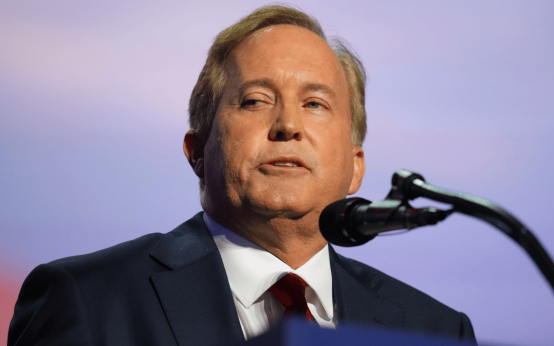 Significant Funding Boosts Ken Paxton’s Texas Senate Campaign Amid Tight Race
  U.S. States Extend Gas Tax Waivers Amid Rising Fuel Costs Due to Iran Conflict