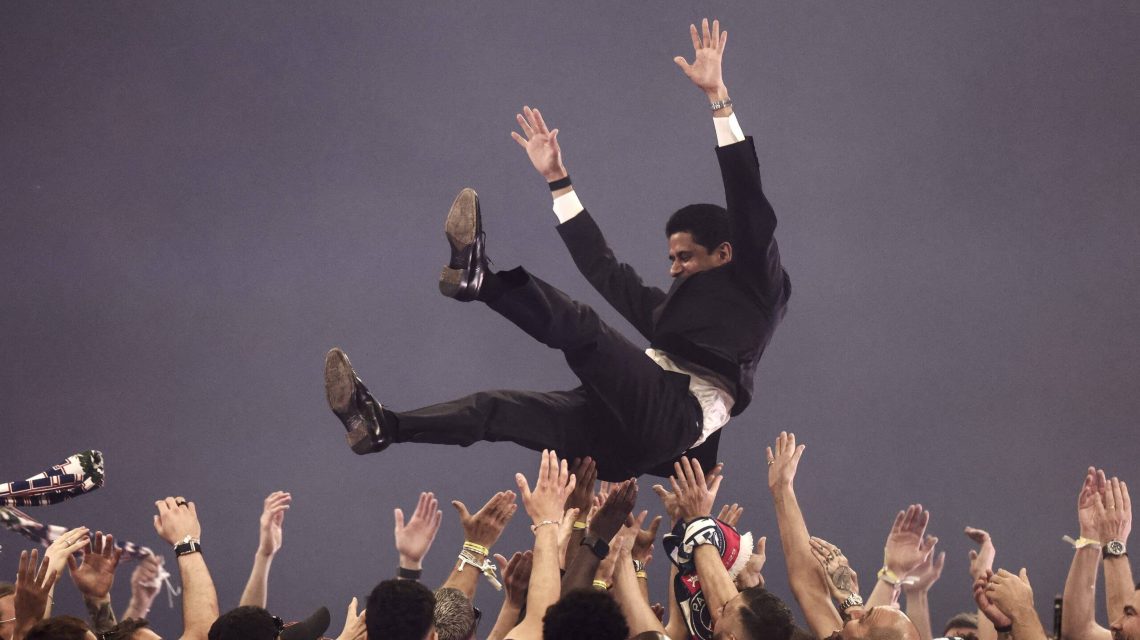
Paris Saint-Germain (PSG) currently captivates fans as one of the best football teams globally. Their style is mesmerizing, featuring full-backs who could function as wingers in other teams. Watching their midfield execute a rondo in practice might be more thrilling than many full matches elsewhere. The transformation of Ousmane Dembele from a talented but inconsistent winger to a Ballon d’Or winner is noteworthy.
Desire Doue brings a dynamic mix of speed, skill, and intelligence. Bradley Barcola has the talent to play for most Champions League teams but struggles to secure a spot here. Then there’s Khvicha Kvaratskhelia, whose unique combination of strength, speed, and agility makes him one of the most exciting players today.
This season, PSG’s Champions League performances have highlighted an enthralling football style: fast-paced, offensive, and goal-rich, while maintaining a structure that avoids the appearance of being an unstoppable machine. Despite the appeal, the club’s ownership remains a controversial topic.
Qatar Sports Investments took control of PSG in 2011. The acquisition came shortly after Qatar was selected to host the 2022 World Cup.
This ownership move has drawn various criticisms, often labeled as sportswashing, soft power, or geopolitical influence. The core idea remains the same: Qatar used the purchase of PSG as a vehicle to enhance national interests.
Football and Business Success
From a football standpoint, the Qatari investment has paid off. PSG has won 12 of the last 14 French titles and secured last season’s Champions League. They head into the 2025-26 final against Arsenal as favorites. The financial success mirrors this athletic triumph. QSI’s investment of around €70 million in PSG 15 years ago has ballooned, with Arctos valuing the club at approximately €4.25 billion in 2023.
Initially, PSG’s priorities under QSI seemed more focused on brand-building than the team’s on-field success. Nasser Al-Khelaifi, QSI and PSG’s chairman, emphasized branding over immediate football objectives. This strategy was evident in their signings and ventures, such as aligning with Nike’s Jordan brand and attracting celebrities to their games.
Opening a PSG store on London’s Oxford Street illustrated their aim to expand the brand beyond traditional boundaries. This ambition came before PSG claimed the Champions League, during a period when they were eager yet understated about their desires for success. Speaking to Al-Khelaifi today might reveal different objectives, likely celebrating sporting achievements more than retail expansion.
Changing Transfer Strategies
PSG’s transfer strategy evolved over time. Initially, they recruited globally recognized but aging stars like Zlatan Ibrahimovic and David Beckham. Following this, the club signed superstars like Neymar, Kylian Mbappe, and Lionel Messi. More recently, their approach shifted to building a cohesive team with players like Dembele, Doue, Barcola, and Kvaratskhelia.
The ultimate aim, according to Al-Khelaifi, is fielding a team primarily from their youth academy or French nationals. Although not fully realized, PSG’s current squad features thrilling young talents, delivering football worth paying to watch.
Their success raises questions about the geopolitical implications. While PSG shines on the field, knowing about Qatar’s human rights issues, including the kafala system and limitations on freedoms, clouds their achievements.
Despite potential moral conflicts about state-owned sports entities, PSG represents the most successful state project in football. Observing Vitinha, Joao Neves, and Fabian Ruiz’s impeccable play or watching Kvaratskhelia’s skill is awe-inspiring yet juxtaposed with the club’s controversial ownership.
PSG stands as a testament to the interplay between sports, business, and international politics.
As fans enjoy the spectacle, this duality captures an ongoing dilemma, familiar to any who question ownership models in the modern game.
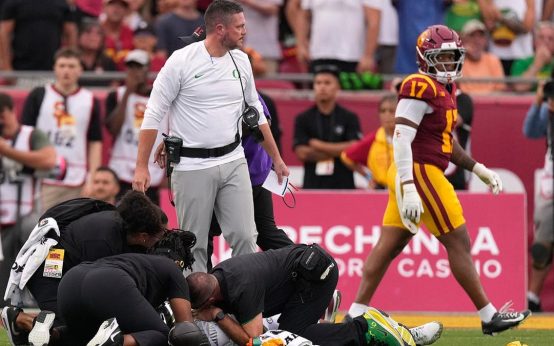 Dan Fouts Reflects on Violent Football Incident
  Dodgers Begin NLDS Against Braves: Key Details and Roster Decisions
 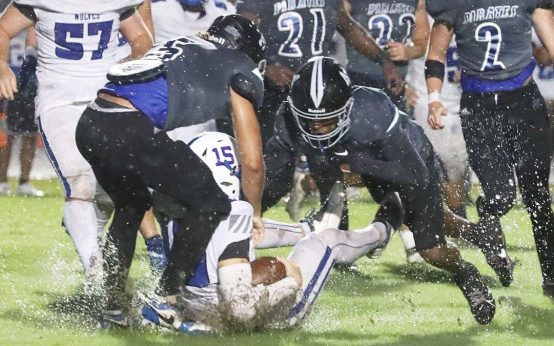 High School Football Tensions Flare in Central Florida
 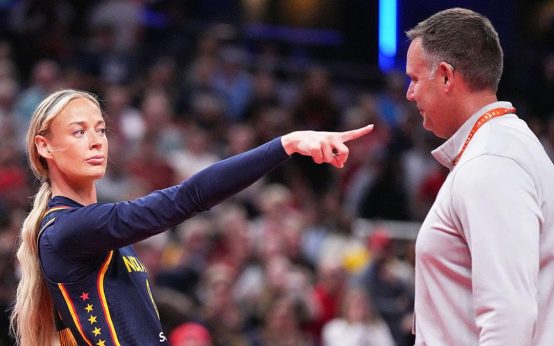 Indiana Fever’s Tumultuous Season and the WNBA’s Cultural Storm
  Chicagoland High School Football Teams Results in Week 7
  Northwestern Debuts New Ryan Field with Victory Over Penn State