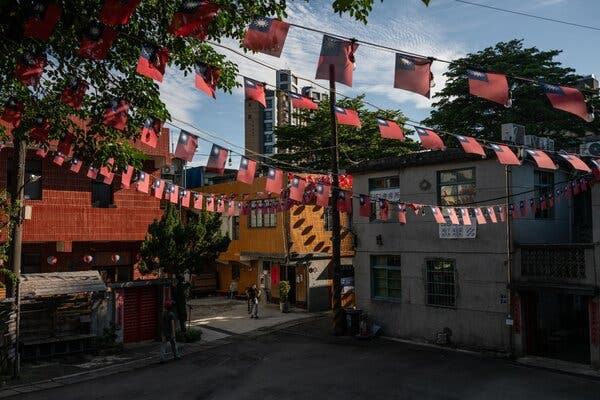
In Taiwan, the trial of Hsu Chun-ying, a Chinese-born woman, is attracting attention. Hsu, who married a Taiwanese man, actively participated in local politics. She organized other Chinese migrants and interacted with notable Taiwanese politicians. Her political career nearly led her to become a legislative candidate.
Currently jailed, Hsu faces serious charges. Prosecutors allege she worked for the Chinese Communist Party to influence Taiwan’s politics. They claim she acted on China’s instructions to interfere in Taiwanese elections and aided a Chinese official’s secret entry into Taiwan under false pretenses.
This case highlights a significant issue in Taiwan: defending against perceived Chinese infiltration. The government fears Chinese-born spouses might still have ties to China, which could be leveraged by Beijing for political purposes. These women, often with family or property in China, are seen as potential targets for coercion by Chinese authorities.
Shen Yu-chung, a deputy minister of Taiwan’s Mainland Affairs Council, stresses the complexity of the situation. He acknowledges that not all mainland spouses pose a threat but admits that a minority might have specific assignments upon arrival in Taiwan, which raises security concerns.
The scrutiny has caused unease within Taiwan’s 261,000-strong Chinese migrant community. Many, primarily women, express their concern about being unjustly labeled as Beijing’s agents. They feel stigmatized by the ongoing security discussions.
 The Threat of Melting Glaciers: A Call to Action
  Police Discover Ancient Roman Artifacts Off Sardinian Coast
  Urgent Need for Action in East Africa’s Food Crisis
 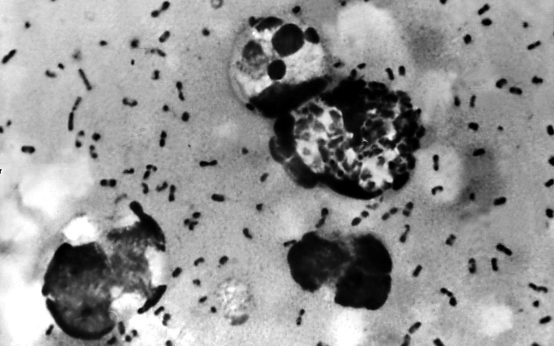 Suspected Plague Death in Siberia Sparks Health Measures
  G7 Nations Agree to Release 100 Million Barrels of Oil Amid Fuel Price Surge
  Co-Pilot Attempts Hijack on Flight to Tel Aviv