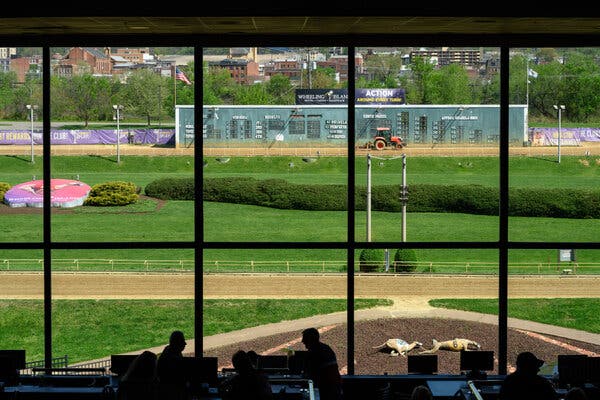
West Virginia hosts the last of America’s greyhound races. This sport, which once captivated millions, might soon face a nationwide ban.
The greyhound track at Wheeling Island Hotel, Casino & Racetrack is a venue where this fading tradition continues. A quiet place where the sport holds on, for now.
At the track, an announcer’s voice breaks the silence: “Here comes Spunky!” As an artificial hare races past the starting box, eight greyhounds burst forward, showcasing remarkable speed and energy.
Greyhound racing was once widespread. Tracks across 19 states, including Florida, Massachusetts, and California, attracted bettors. In the 1980s and early 1990s, dog racing drew tens of millions yearly, surpassing attendance for hockey and tennis. Bets on these races amounted to approximately $3.5 billion annually.
Today, only two dog tracks remain, both located in West Virginia. The state’s racetracks persist while others have closed due to animal rights advocacy, which led many states to prohibit dog racing. The rise of legalized sports betting has also provided gamblers with more choices.
Currently, a bill in Congress aims to ban dog racing entirely. Fans and opponents acknowledge the sport is nearing its end.
Ronald Welch, a track visitor in Wheeling, W.Va., expressed his thoughts: “I know at some point, it’s going to end. But still, I’d be heartbroken if it did.” Public opinion started to turn against greyhound racing in the early 2000s, influenced by activists like Carey Theil and Christine Dorchak.
 The Quest for the Knuckleball Dream
 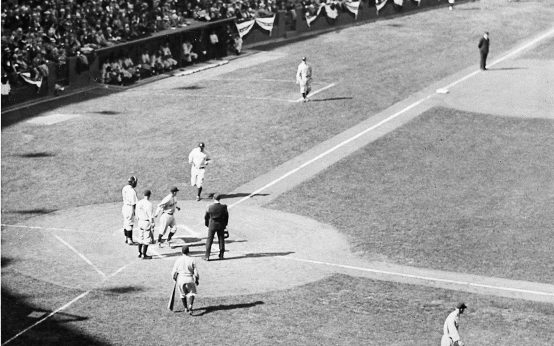 Historical Events in Chicago on October 1st
  Stephen A. Smith Discusses Houston Texans’ Critical Matchup Against Dallas Cowboys
 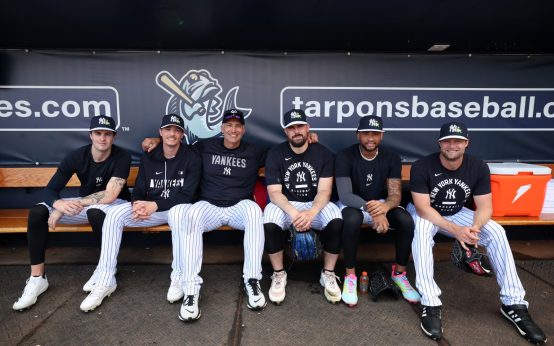 CC Sabathia Anticipates Yankees’ Game 1 Pitcher for ALDS After Beating Red Sox
  Atlanta Dream Progress to WNBA Semifinals
  Los Angeles Lakers Focus on Defense in Luka Doncic Era