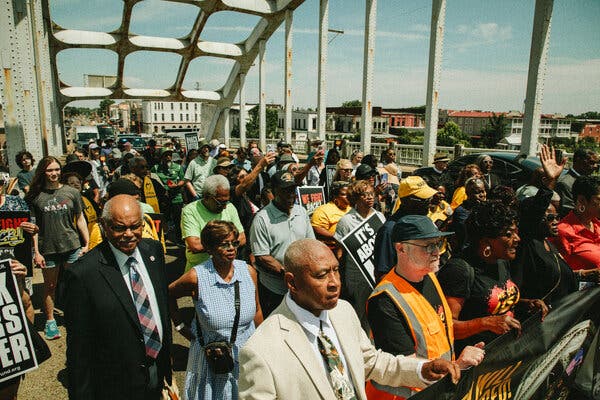
Earlier this month, individuals from various parts of the United States gathered in Selma, Alabama. They marched for voters’ rights, starting at Tabernacle Baptist Church and concluding beyond the Edmund Pettus Bridge.
Amid this backdrop, Republican officials express satisfaction, some voters exhibit confusion and concern, and civil rights activists prepare for a significant battle. This political climate emerges as Republican leaders in the South quickly revise congressional maps. These changes followed a Supreme Court decision that weakened the Voting Rights Act.
This rapid redistricting has resulted in the postponement of primaries and the withdrawal of a veteran House member from re-election, prompting new candidates to enter races before the November midterms. The upcoming elections could dramatically reshape the region’s political makeup, potentially solidifying the South as a Republican stronghold and threatening the political careers of several Black Democrats.
As redistricting efforts continue, a heated debate ensues regarding the nature of representation in the South. Practical concerns also arise about shifting district boundaries, which may affect voters directly. Mayor Chaz Molder of Columbia, Tennessee, a Democrat, expressed frustration after his home was excluded from the district he campaigned in due to a new map adopted by Republican state lawmakers. He remarked, “It’s the voter that loses in this kind of partisan gamesmanship.”
While these redistricting activities are not exclusive to the South, and not driven solely by Republicans, former President Trump had already encouraged the strategy before the Supreme Court’s ruling. He aimed to help Republicans retain their narrow House majority in the midterms. Texas initiated the recent redistricting conflicts by redrawing a congressional map with Mr. Trump’s support, seeking to flip five House seats to Republicans.
In response, Democrats in California implemented similar strategies, with several states following suit. However, the Supreme Court’s recent decision incited a rapid redistricting push in the South, impacting districts traditionally protected by the Voting Rights Act that favored Black Democrats.
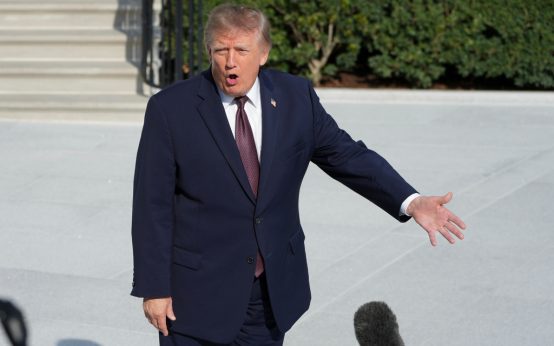 Trump’s Use of Public Funds for Political Ads Sparks Controversy
  Dennis Hastert’s Legacy: From Political Leader to Controversy
  Tensions Within the Trump Administration Highlighted by Policy Reversals
  Democrats Hold Advantage Before Midterms, But Voter Sentiment Is Complex
 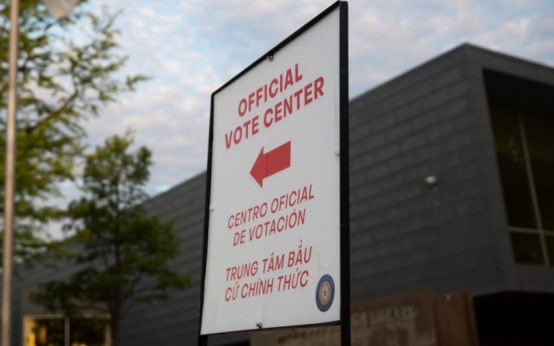 Democrats Strategize As Midterm Elections Approach
 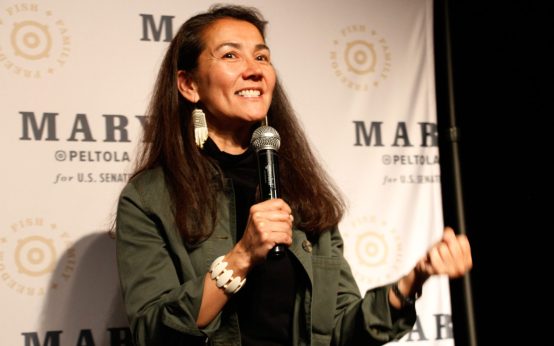 Mary Peltola Emerges as Leading Candidate in Alaska Senate Race