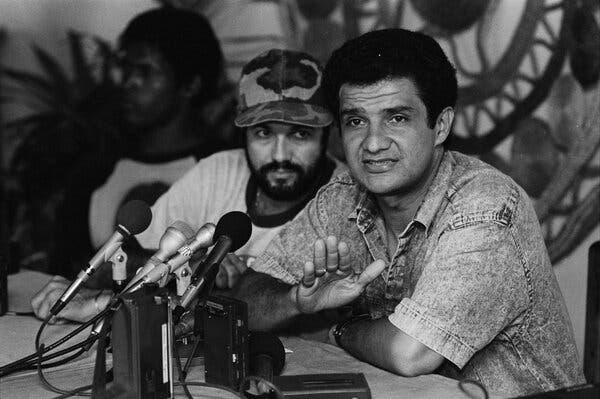
Brooklyn Rivera, aged 73, a notable Miskito political leader in Nicaragua, passed away while in state custody, igniting disputes about his treatment and the government’s role in his death. His imprisonment was part of broader actions against political dissent and Indigenous rights.
The Miskito, the largest Indigenous group in Nicaragua, regarded Rivera as a crucial advocate. He had been a former lawmaker and a strong voice for Indigenous autonomy. Rivera was arrested three years prior during a government crackdown.
Reports from family, activists, and local media indicate Rivera died on Saturday. His death came on the heels of government-released photos showing him in a severely weakened state, which upset human rights groups.
The health ministry, under the leadership of Daniel Ortega and Rosario Murillo, maintained that Rivera died due to a bacteria related to Covid, despite claiming to have made significant medical efforts to save him. The announcement followed a delayed acknowledgment of his death on Sunday.
Relatives and rights groups criticized the government’s handling of Rivera’s imprisonment and treatment, suggesting negligence or worse. Tininiska Rivera, his daughter, openly conveyed her distress about the conditions leading to her father’s death.
Photos released by the government displayed Rivera bedridden in a Managua hospital. His daughter questioned the adequacy of his medical care, especially since his whereabouts had been previously undisclosed. Authorities claimed Rivera had pre-existing health issues and was under regular family visits.
 British Police Arrest Man Suspected of Terror Plot
  Activists Push for Nationwide Ban on Child Marriage in the U.S.
  Investigation into Alleged Incident at Cornell University
  Rising Drone Threats Highlight Vulnerabilities in Moldova’s Airspace Defense
  Bolivia Faces Security Test Amid Unrest
 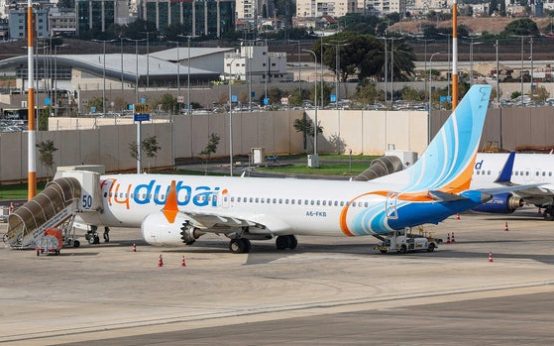 Incident on FlyDubai Flight Raises Security Concerns