
Rep. Ro Khanna, representing California, has shown his support for a billionaires tax proposal set to be on the ballot in his state this November. This plan has attracted questions, particularly from notable figures such as Texas businessman Mark Cuban. Cuban inquired about how this tax would impact founders of start-ups who are considered billionaires based solely on their companies’ valuations, not readily available liquid assets.
Such inquiries bring attention to the complex nature of taxing wealth rooted in unrealized capital gains and how lawmakers intend to address these complications in a fair manner. Addressing these complexities could influence the perception and viability of wealth taxation, aligning it more closely with tangible assets while considering the potential for innovation that start-ups provide.
Further details and discussions are pertinent as the proposal’s specifics unfold. As the issue evolves, stakeholders from different sectors continue to weigh in on the potential implications and the broader economic impact of such taxation policies.
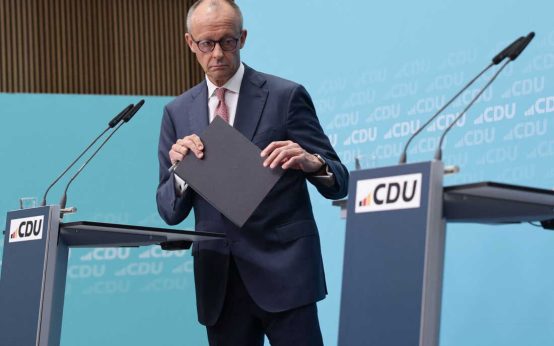 Political Fragmentation and Rising Extremism Challenge Germany’s Political Center
 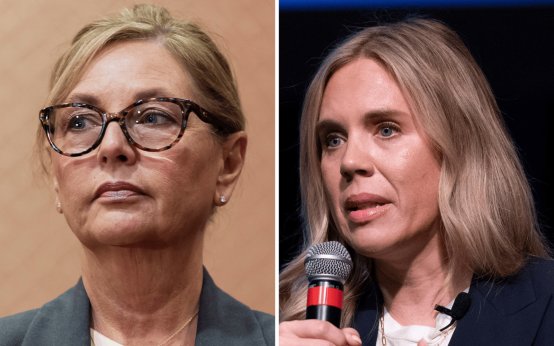 Democrats See South Carolina as Potential Senate Pickup
 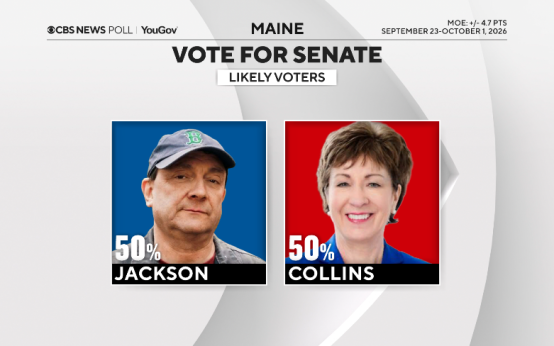 Maine Senate Race: Collins and Jackson in a Dead Heat
  Texas Becomes Key Battleground in Midterm Elections
  President Trump’s Return to Alabama Before Midterms
 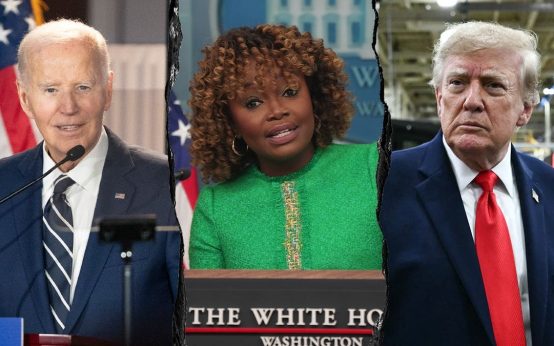 Jean-Pierre’s Critique on Trump’s Messaging Echoes Her Time with Biden