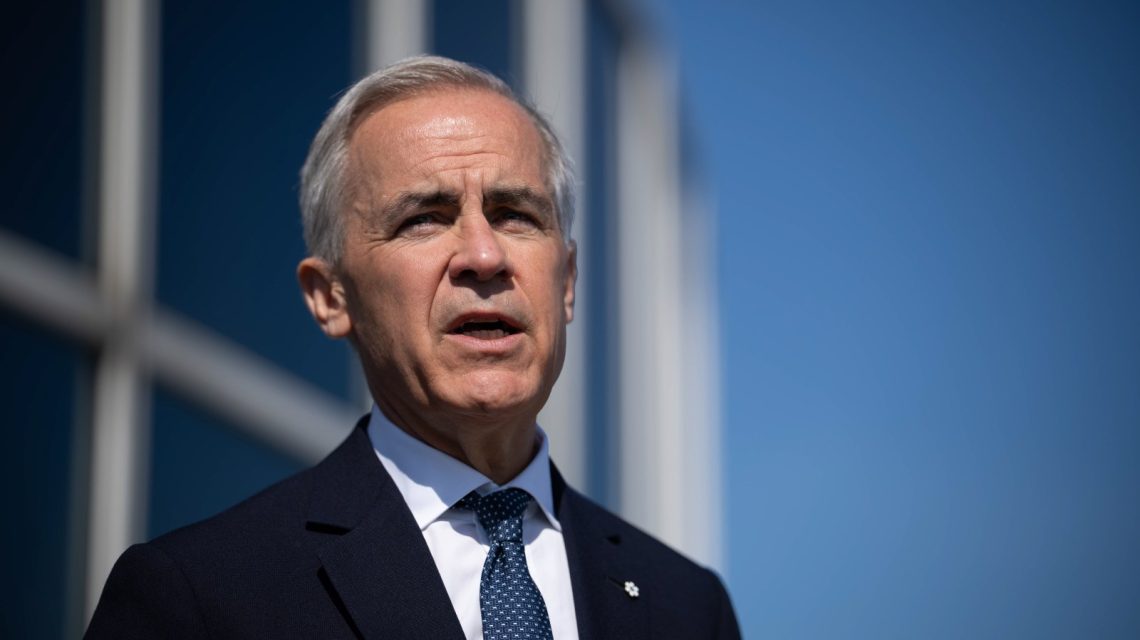
Alberta recently announced a referendum to decide whether to remain a part of Canada or begin the process toward a binding separation vote. This announcement slightly reduced the odds of Alberta voting for independence by 2026. Initially, the prediction platform Polymarket put these odds at 12.7 percent, down from 17 percent after Alberta Premier Danielle Smith confirmed the referendum for October 19.
Carney’s Brexit Comparison
Canadian Prime Minister Mark Carney compared Alberta’s upcoming vote to the United Kingdom’s 2016 Brexit referendum. He warned of the long-term consequences voters might underestimate, highlighting Brexit’s ongoing complexities. As the former governor of the Bank of England during Brexit, Carney recalled the unforeseen challenges faced during the UK’s EU exit.
Referendum Details
Danielle Smith from the United Conservative Party revealed the referendum question. It asks if Alberta should remain a Canadian province or begin the legal process for a binding provincial referendum on separation. Smith expresses personal support for staying in Canada but emphasizes the importance of acknowledging Albertans’ voices.
Carney, leading the Liberal Party, criticized the referendum as undemocratic. He questioned its alignment with Albertans’ democratic will since it was not part of the last provincial election. Carney intends to campaign against separatism, promoting Canada’s unity and Alberta’s role within it.
Political Tensions
Smith’s response to Carney emphasized the impact of federal policies under Justin Trudeau’s leadership. She addressed grievances, saying they need acknowledgment and resolution to restore hope in Canada. This sentiment reflects the dissatisfaction felt by many Albertans toward Ottawa’s past decade of policies.
Prediction Market Trends
Following Smith’s referendum announcement, prediction markets like Polymarket and Kalshi saw fluctuations in separation odds. Polymarket’s percentage increased from 9 to 17 percent before dropping to 12.7 percent. Similarly, Kalshi’s odds rose from 22 to 29 percent but later settled at 25 percent. These platforms assess trader sentiment but aren’t accurate future predictors.
Underlying Factors
Stay Free Alberta, a separatist group, submitted over 300,000 signatures, significantly surpassing the required threshold to initiate a citizen-led referendum. Legal challenges have delayed verification. Alberta’s Court of King’s Bench halted their efforts, citing the need to consult First Nations affected by separation, prompting Smith’s alternative referendum plan.
Pipeline Collaboration
Despite conflicting views on the referendum, Smith collaborates with Carney’s government on a West Coast oil pipeline. This initiative aims to appease Albertans feeling neglected by Ottawa, while leveraging Alberta’s significant economic contributions. Alberta’s oil and gas resources are vital, yet many feel underrepresented, especially concerning environmental regulations impacting the industry.
Cameron Davies, leader of Alberta’s Republican Party, highlighted the desire for autonomy rather than anger. He argues Alberta’s potential is hindered by a system that doesn’t serve its interests. Carney and Smith’s agreement on the climate and energy front sets the stage for pipeline construction starting September 1, 2027. It aims to transport 1 million barrels daily from Alberta to Asian markets. Carney emphasized building trust and cooperative federalism to achieve shared goals.
 Activists Push for Nationwide Ban on Child Marriage in the U.S.
  Democratic Hopes and Historical Warnings in 2026 Senate Race
  Republicans Face Challenges Amidst Cost of Living Concerns
  A Different Kind of Fall for Congress This Year
  Cornel West and Sean Hannity Discuss Differences on Podcast
  Trump Unveils AI-Powered America.gov Platform