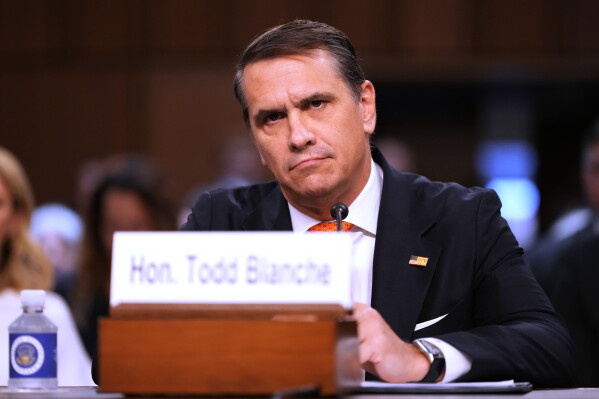
In ongoing discussions with Republican senators, Todd Blanche has formally revoked a $1.8 billion fund, originally intended to support President Donald Trump’s allies, as he seeks confirmation as attorney general. Despite this, an audit immunity deal for Trump, his sons, and the Trump Organization remains. This deal could potentially nullify millions in back taxes for Trump.
The immunity agreement was part of a settlement resolving Trump’s $10 billion lawsuit against the IRS. The document Blanche shared with lawmakers states that the immunity only applies retroactively to claims already open at the time of the lawsuit. It won’t affect future tax filings.
Senators opposing both the fund and the audit deal have shown willingness to support Blanche’s confirmation upon receiving these reassurances. However, the unusual agreement on Trump’s taxes has caused bipartisan outrage and some distrust in the fairness of the tax system.
Outline of the Audit Deal
Initially, a document signed by Blanche stated that the U.S. government was prevented from scrutinizing Trump, his sons, and the Trump Organization’s current tax filings. New limits have been applied to investigations, focusing solely on Trump, Eric Trump, Donald Jr., and the Trump Organization.
Reports from sources like the New York Times suggest Trump could potentially clear over $100 million in back taxes. Some lawmakers and legal experts have questioned the legality of these protections.
The good news is that Todd Blanche confirmed in writing that the anti-weaponization slush fund is dead. The bad news is that tax immunity for the president, his sons, and his family business is still alive,said Dan Greenberg, a senior legal fellow at the Cato Institute.
Legal Implications and Controversies
The settlement emerged after a judge ruled Trump’s lawsuit as having an “improper purpose.” Although the agreement wasn’t voided, the legitimacy of the legal process was questioned. Trump has appealed this ruling.
Concerns remain about Blanche’s power, as the IRS statute prohibits executive branch interference in audits while allowing the attorney general to halt audits.
Historical contexts, like Nixon’s exploitation of the IRS, led to enhanced taxpayer privacy laws in 1976. Nina Olson of the Center for Taxpayer Rights criticized the settlement, highlighting the potential misuse of executive power.
Future of the Compensation Fund
Blanche assured Congress and lawmakers that the fund would remain inactive, though Trump has been inconsistent. He vowed on Truth Social to revive the fund if Blanche is not confirmed.
Policy Director Brandon DeBot called for congressional action to permanently prevent the fund’s revival. Democrats have pushed for legislation to ensure it cannot return, inclusive of compensations to individuals involved in the Capitol unrest on January 6, 2021.
Dan Greenberg asserted that while senators may appear firm in negotiations, the outcome remains questionable in achieving substantial progress.
 Maryland First State to Restrict Electronic Pricing in Grocery Stores
  Activists Push for Nationwide Ban on Child Marriage in the U.S.
  Democratic Hopes and Historical Warnings in 2026 Senate Race
  Republicans Face Challenges Amidst Cost of Living Concerns
 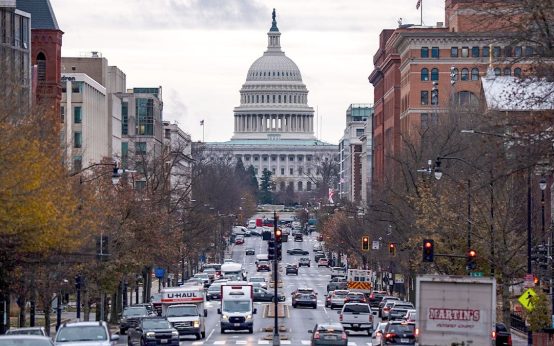 A Different Kind of Fall for Congress This Year
 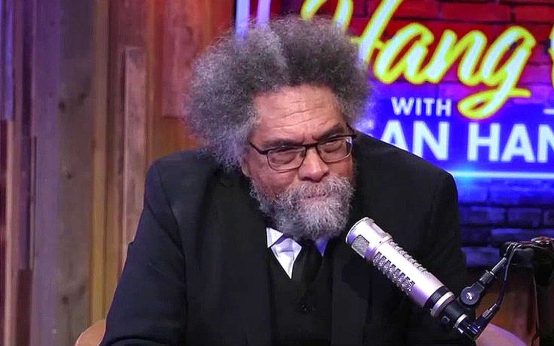 Cornel West and Sean Hannity Discuss Differences on Podcast