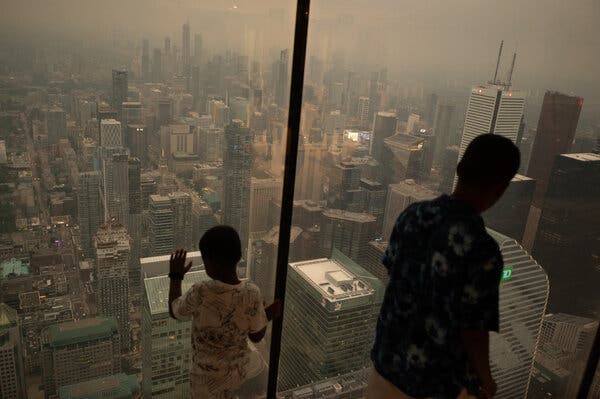
Canadian firefighters face increasing challenges with wildfires burning continuously. Rising overnight temperatures across Canada mean fires no longer slow after dark, straining fire crews. This shift, driven by climate change, disrupts traditional firefighting methods.
The 24-Hour Fire Cycle
High overnight temperatures fuel the 24-hour fire cycle. Fires that typically slowed at night now burn constantly. Randy Schroeder, a fire chief in Alberta, highlights this shift. He notes that fires last longer and expand more than they did in previous years.
Nighttime firefighting involves using sprinklers, attacking smaller fires, and operating equipment. These tasks were easier when fires calmed at night. Now, climate change escalates fire intensity, forcing firefighters to adapt their strategies.
Financial and Operational Impacts
Maintaining operations through the night increases wildfire fighting costs. Schroeder, former president of the Alberta Fire Chiefs Association, stresses this point. Crews unable to control fires at night must retreat until conditions improve.
The altered schedule not only strains resources but demands new tactics. Firefighters must reevaluate their traditional practices to address the relentless nature of fires today.
 Drought Drives Black Bears Closer to Human Activity
  Atlantic Ends September Without a Hurricane for First Time Since 1994
 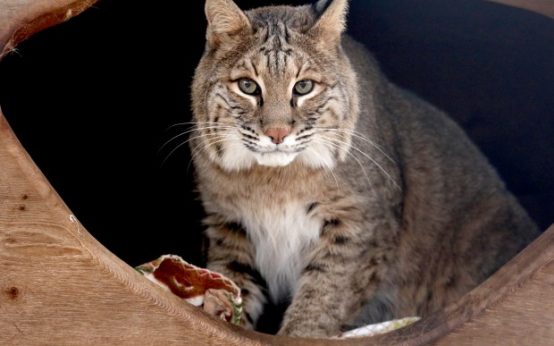 Bobcat Sightings and Conservation Efforts in Illinois
 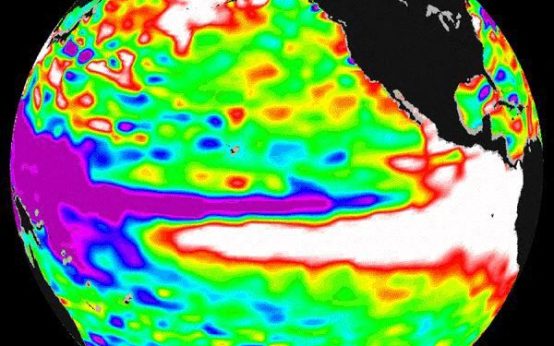 2026 El Niño: A Historical Comparison and Future Projections
  U.S. Records Warmest September in History
 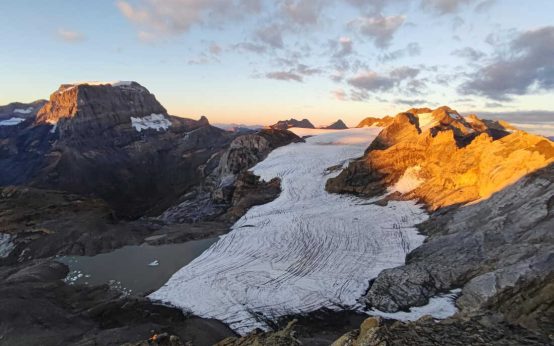 Swiss Glaciers Show Effects of Ice Loss Amid Global Warming