Fox News anchor Shannon Bream has reported on the escalating tensions in the Middle East, highlighting U.S. strikes on Iranian missile and drone storage facilities following Iran’s targeting of shipping routes in the Strait of Hormuz. Additionally, Iran has launched drones toward Kuwait and Bahrain, while Israel has conducted strikes against Hezbollah in Lebanon. These actions align with a diplomatic framework agreement between Israel and Lebanon.
There is a new level of risk and uncertainty affecting the Strait of Hormuz, according to German shipping firm Hapag-Lloyd. The increase in military strikes and conflicting routing directives has created operational chaos in this critical waterway. The firm noted that Iran has resumed moving substantial amounts of crude oil from Kharg Island for the first time in days.
Maritime intelligence firm Windward AI reported that the T-Jetty and Western Terminal at Kharg loaded simultaneously for the first time in days. The East Waiting Area currently holds 28 tankers, with 27 ships signaling the restart of Iran’s crude export cycle. These exports include approximately 4.12 million barrels of wet cargo, with about 3.91 million barrels consisting of crude oil, according to analytics firm Vortexa.
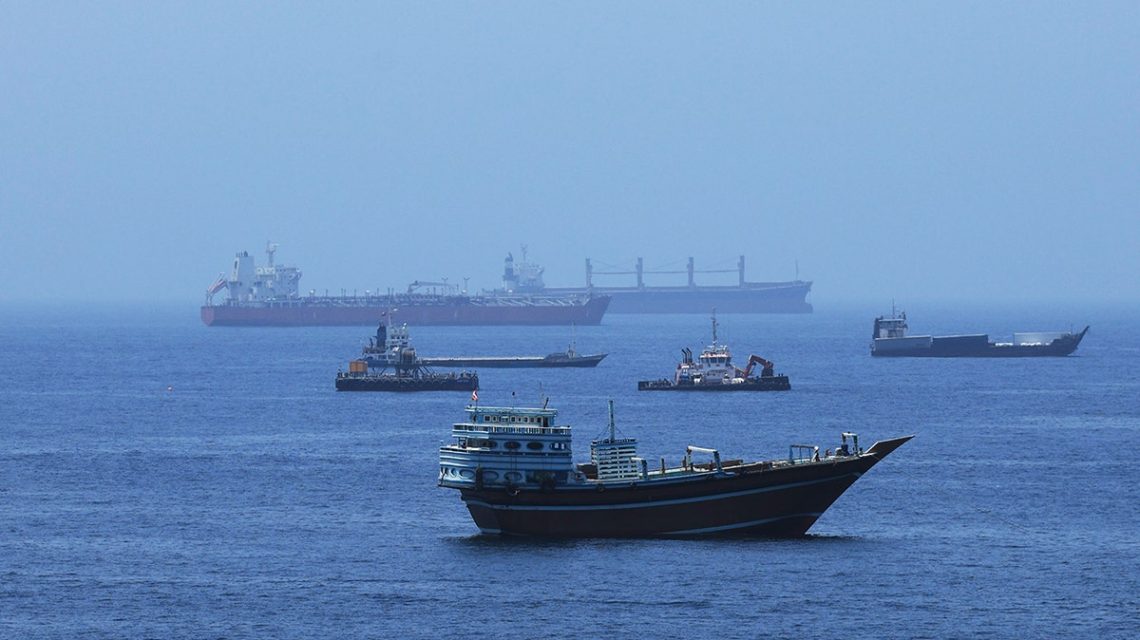
Commercial cargo vessels and crude oil tankers remain anchored in the Gulf of Oman, preparing to transit through the Strait of Hormuz, a vital trade corridor. The spokesperson for Hapag-Lloyd AG, Hanja Maria Richter, told Fox News Digital that this region’s situation has been dynamic since the conflict began. The company continuously assesses risks for every vessel and crew individually, emphasizing the need for constant vigilance.
Amid ongoing tensions, U.S. Central Command (CENTCOM) launched airstrikes on Iranian targets, including Qeshm Island, prompting retaliatory action by Iran’s Islamic Revolutionary Guard Corps (IRGC) against U.S. sites in Kuwait and Bahrain. Lloyd’s List described the divide within the strait as a confused, two-tier system split between an Iran-controlled northern route and a U.S.-protected southern route, with pre-war routes deemed unusable due to mine risks.
Iranian Foreign Minister Abbas Araghchi stated that Iran is responsible for reopening maritime traffic through the Strait of Hormuz under recent agreements. Iranian state television announced that passage through the strait would require coordination with the IRGC.
Hapag-Lloyd opposed any future attempts to weaponize or monetize passage through this critical chokepoint, noting that fees for passage through international waters would be fundamentally wrong. Unlike the Suez or Panama Canals, the strait lacks major infrastructure investments to justify such fees.
Despite challenges, Hapag-Lloyd reported success in navigating the bottleneck, with affected vessels departing safely from the Persian Gulf. The safety of crews remains their highest priority.
Emma Bussey, a breaking news writer for Fox News Digital, covers these and other developments. Her experience includes work at The Telegraph across various desks, including foreign, politics, news, sport, and culture.
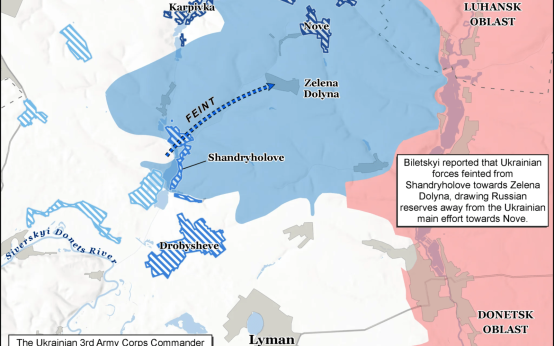 Ukraine Converts APCs to Explosive Devices in Donetsk Offensive
 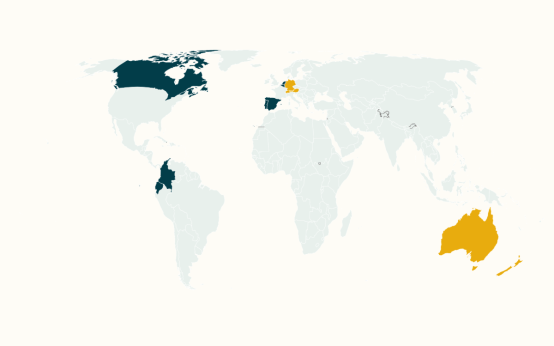 Dutch Review Board’s Euthanasia Ruling and International Debate
  Israeli PM Commends Heroic Actions in Flight Emergency
  Rabbi and Jewish Leaders Criticize Adam Brody for ‘Genocide’ Comment
  Flydubai’s Emergency Landing Highlights Cockpit Security
 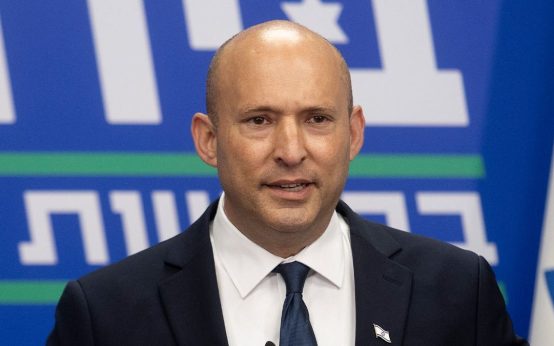 Former Israeli PM Naftali Bennett Commends Passengers and Crew for In-Flight Heroism