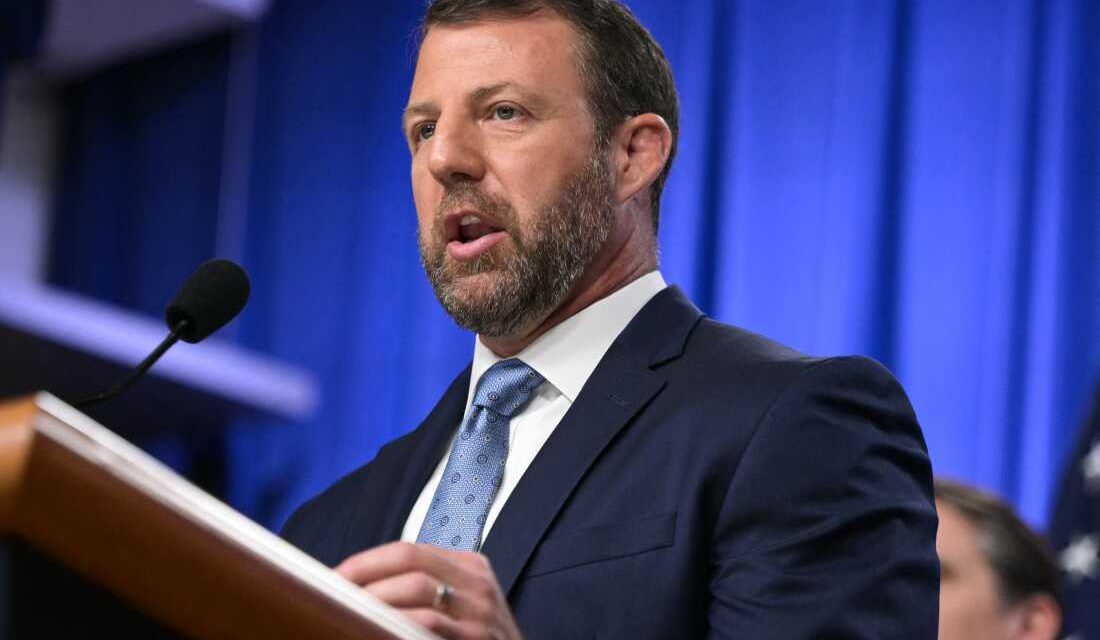
Concerns Over Election Integrity
Secretary of Homeland Security Markwayne Mullin, known for his election denial stance, has raised concerns about the Department of Homeland Security’s role in maintaining election integrity. Mullin’s past actions, along with statements by allies, suggest potential challenges in ensuring unbiased support for election security.
Claims of Election Fraud
Gary Berntsen, a former CIA operative, has consistently pushed the debunked theory of Venezuela’s interference in the 2020 election. Despite multiple refutations, including a significant settlement involving Fox News and Dominion Voting Systems, Berntsen persists in his claims. He expressed frustration over lack of engagement from the FBI, media, and Congress, except from Mullin.
Political Influence and Controversy
Mullin has shown a commitment to election denial, illustrated by his vote against certifying the 2020 Electoral College results. His actions have concerned election officials who fear DHS could undermine rather than safeguard elections. These concerns come amid reports from election officials hesitant to share data with the federal government, fearing misuse.
Challenges in Federal Election Security
The Trump administration’s approach to election administration has included attempts to gain access to private voter registration data and voting machines. Deployment of immigration enforcement at voting locations has been suggested, raising legal and ethical questions.
Changes in Leadership and Services
Under Mullin’s leadership, the Cybersecurity and Infrastructure Security Agency (CISA) has experienced a significant turnover, with many personnel resigning or being pushed out. Services offered by CISA remain uncertain, affecting local election officials who previously relied on federal assistance for cybersecurity.
The Role of EI-ISAC
The Elections Infrastructure Information Sharing and Analysis Center (EI-ISAC), once federally funded, now operates with decreased membership following the withdrawal of funding. This change has led to a fractured approach to collaborative election security solutions.
Restoring Trust and Funding
Efforts to restore federal support include proposed legislation for broader threat-sharing services. The challenges of reaching numerous jurisdictions for cybersecurity assistance persist, as the EI-ISAC endeavors to maintain its role in election security.
Future Prospects
Trust issues may complicate future federal involvement in election security. Election officials express skepticism about re-engaging the federal government, highlighting the need for rebuilding trust and effective collaboration.
 Democratic Hopes and Historical Warnings in 2026 Senate Race
  Republicans Face Challenges Amidst Cost of Living Concerns
  A Different Kind of Fall for Congress This Year
  Cornel West and Sean Hannity Discuss Differences on Podcast
  Trump Unveils AI-Powered America.gov Platform
  Upcoming Congressional Elections: Key Districts to Watch