The sudden closure of Arizona’s San Carlos Lake following a mass fish die-off has alarmed scientists, environmental experts, and water managers. They caution that similar occurrences could happen elsewhere as drought, warming temperatures, and water management pressures intensify.
San Carlos Lake: A Forewarning
The San Carlos incident resulted from prolonged drought combined with rapid water releases, according to the San Carlos Recreation and Wildlife Department. “Recent drought conditions, combined with water releases from the dam, have led to a major fish kill affecting approximately 100 percent of the lake’s fish population,” the department stated on Facebook. Experts emphasize that underlying conditions like low water levels, warming temperatures, and oxygen depletion are increasingly prevalent across major U.S. water systems.
Significance of Current Trends
Without intervention, more lakes may risk reaching similar tipping points, causing ecological damage and disruptions in water supply for millions. The situation in Arizona seems less an anomaly and more a preview of potential future events.
Pressure on the Colorado River System
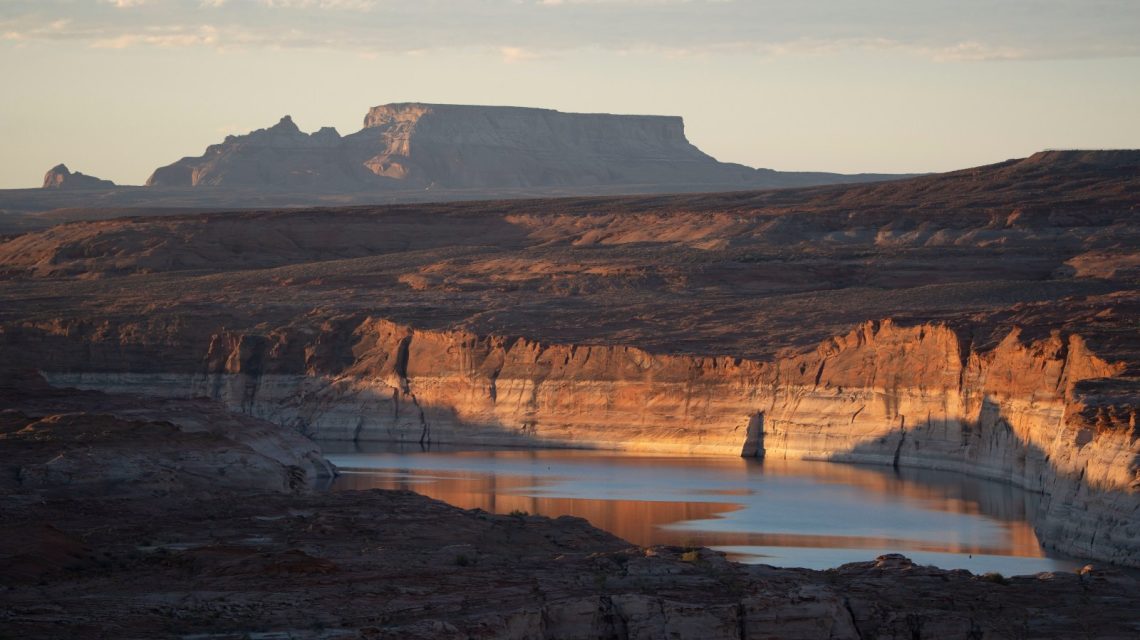
The risk is pronounced along the Colorado River, where Lake Mead and Lake Powell, two critical reservoirs, face historic strain. Lake Mead, the largest U.S. reservoir, supplies water to about 40 million people. It is currently under official shortage conditions, with inflows significantly reduced by prolonged drought. According to the U.S. Bureau of Reclamation, water levels might reach record lows by 2027.
As levels drop, the water warms and stagnates, fostering harmful algal blooms and reducing dissolved oxygen. This environmental stress, similar to San Carlos, raises concerns about both ecological impacts and water supply pressures.
Lake Powell is in similarly dire condition, with the reservoir approximately 25 percent full. If dry conditions persist, scientists warn of a broader “system crash” in the Colorado River basin by 2028. The consequences would extend beyond local ecosystems, potentially disrupting water delivery systems across the Western United States.
The Threat to the Great Salt Lake
In Utah, the Great Salt Lake faces a different but equally concerning trajectory. It has lost over 70 percent of its water over time, continuing to shrink due to drought and upstream water diversions. Here, the primary threat is rising salinity, which endangers brine shrimp and other organisms vital to the lake’s food web.
The exposed lakebed creates toxic dust risks for nearby communities, as reported by the U.S. Geological Survey. The drivers, such as heat, reduced inflow, and human water use, are similar, even though the outcomes differ from a sudden die-off to a gradual ecosystem collapse.
Algal Blooms in the Great Lakes
Further east, Lake Erie demonstrates that even regions with stable water levels can face similar challenges. The Environmental Protection Agency (EPA) highlights recurring toxic algal blooms, driven by nutrient pollution and warming temperatures. Such blooms can create “dead zones,” where oxygen levels drop, endangering aquatic life.
This mechanism mirrors the process leading to fish-kill events. Algae consume oxygen while decomposing, leaving the water depleted of conditions necessary for life.
Lake Tahoe’s Calm Decline
Lake Tahoe represents a slower-moving version of the crisis. Though not facing a dramatic collapse, the lake is shrinking faster than expected due to climate pressure and recurring drought. Falling water levels coupled with rising temperatures are slowly reshaping its ecosystem, indicating that even seemingly stable lakes are vulnerable.
Nationwide Challenges
Data from the EPA reveals the extent of the issue. Roughly half of U.S. lakes show signs of nutrient pollution and degraded conditions. Experts warn this combination of pollution, heat, and reduced water levels creates ideal conditions for algal blooms and oxygen crashes, increasing the risk of fish kills and broader ecological damage. The San Carlos fish die-off is thus not isolated; it is a visible example of a widespread, slow-building problem.
 Swiss Glaciers Show Effects of Ice Loss Amid Global Warming
  Climate-Resistant Rock Glaciers: Hidden Water Resources
  Senators Reach Bipartisan Agreement on Permitting Reform
  Experts Warn of Critical Period for the Colorado River
  Future Cities: Ambitious Projects Aiming for Innovation and Sustainability
  Supreme Court Case Suncor vs. Boulder: Implications for Accountability in Climate Change