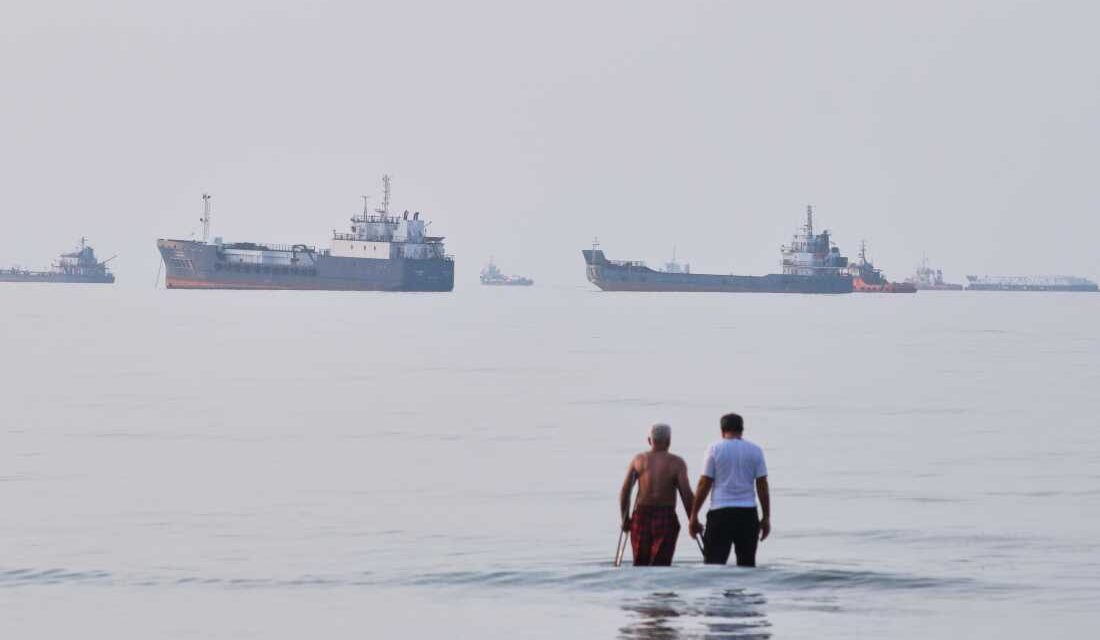
DUBAI, United Arab Emirates — The United States and Iran intensified their conflict over the Strait of Hormuz with strikes on infrastructure and military targets. The region has faced continuous exchanges leading to heightened tension over control of the strait. A collapsed ceasefire points towards an ongoing war initiated by the U.S. and Israel months ago.
The U.S. Central Command reported continued airstrikes targeting Iran’s surveillance sites, military infrastructure, weapons storage, and maritime capabilities. Kuwait intercepted Iranian missiles and drones, while Iraq reported downing drones over Irbil. Jordan didn’t hold back its defense against Iranian missiles, leading to air sirens in Bahrain.
Iran accuses recent U.S. strikes of causing significant casualties, with dozens killed and hundreds injured. The strait’s closure to shipping traffic since the war began on Feb. 28 has resulted in soaring oil prices, giving Iran leverage in negotiations. Oil prices climbed above $86 a barrel amid declining strait crossings.
In an address, Trump claimed victory over ongoing efforts in Iran, yet faces political pressure to resolve the conflict and prevent a prolonged engagement. Before the war, the U.S. and Iran were negotiating regarding Iran’s nuclear program.
Iran’s Infrastructure Targeted
U.S. airstrikes struck bridges in Hormozgan, striving to isolate Bandar Abbas, Iran’s primary port. This strategic strike aims to sever connections to Tehran. Iran power cuts following U.S. strikes have prompted Energy Ministry advisories for reduced power usage amid extreme heat.
Recent U.S. strikes have resulted in at least 46 Iranian casualties and destroyed critical infrastructure, including bridges. America acknowledged injuries among its service members, adding to previous incidents since the war’s onset.
Port of Chabahar Targeted
Iran’s Chabahar port suffered damage when U.S. strikes targeted a maritime surveillance tower, crucial for trade with Afghanistan. Iran and U.S. confirmed the tower’s destruction, significant for commercial vessel oversight in the strait.
Explosions erupted across Iran, including Ahvaz, when the U.S. launched attacks. Iranian state media reported disturbances in multiple regions.
Qatar Under Fire Amid Retaliation
As Iran retaliates, Qatar warned the public to seek shelter during missile attacks. Air defenses intercepted missiles, injuring a child from debris. Iran expanded its attacks on Bahrain and Kuwait, damaging vital infrastructure and causing personnel injuries.
Iran extended its aggression to Iraq, targeting Komala, a Kurdish dissident group, leaving several casualties. A tanker traveling through the strait also reported minor damage following an attack.
Strait Control Conflict
Iran’s assertion for sole control over the Strait of Hormuz involves fees for vessels, challenging the international recognition as a global waterway. Trump’s strategy aims at debilitating Iran’s infrastructural capabilities to relinquish its grip on the strait.
The U.S. enforced a naval blockade, hindering Iranian oil exports, with significant shipping reduction through the passage.
 The Threat of Melting Glaciers: A Call to Action
 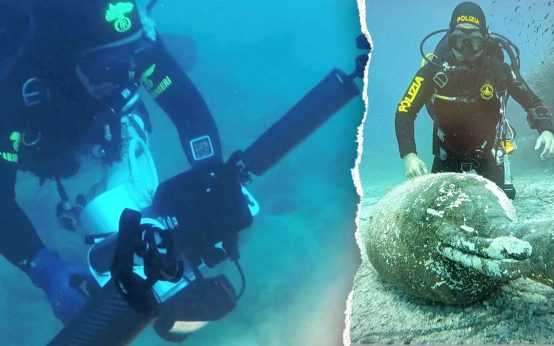 Police Discover Ancient Roman Artifacts Off Sardinian Coast
  Urgent Need for Action in East Africa’s Food Crisis
  Suspected Plague Death in Siberia Sparks Health Measures
 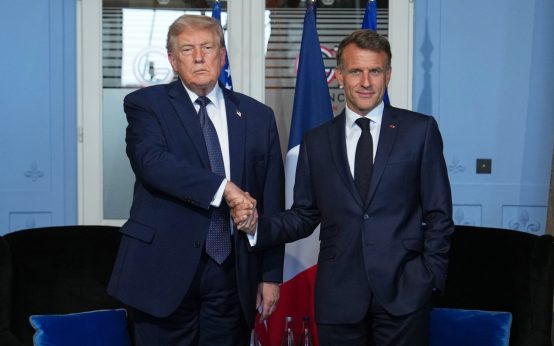 G7 Nations Agree to Release 100 Million Barrels of Oil Amid Fuel Price Surge
  Co-Pilot Attempts Hijack on Flight to Tel Aviv